

Why Timing Matters for Festival Travel in 2026
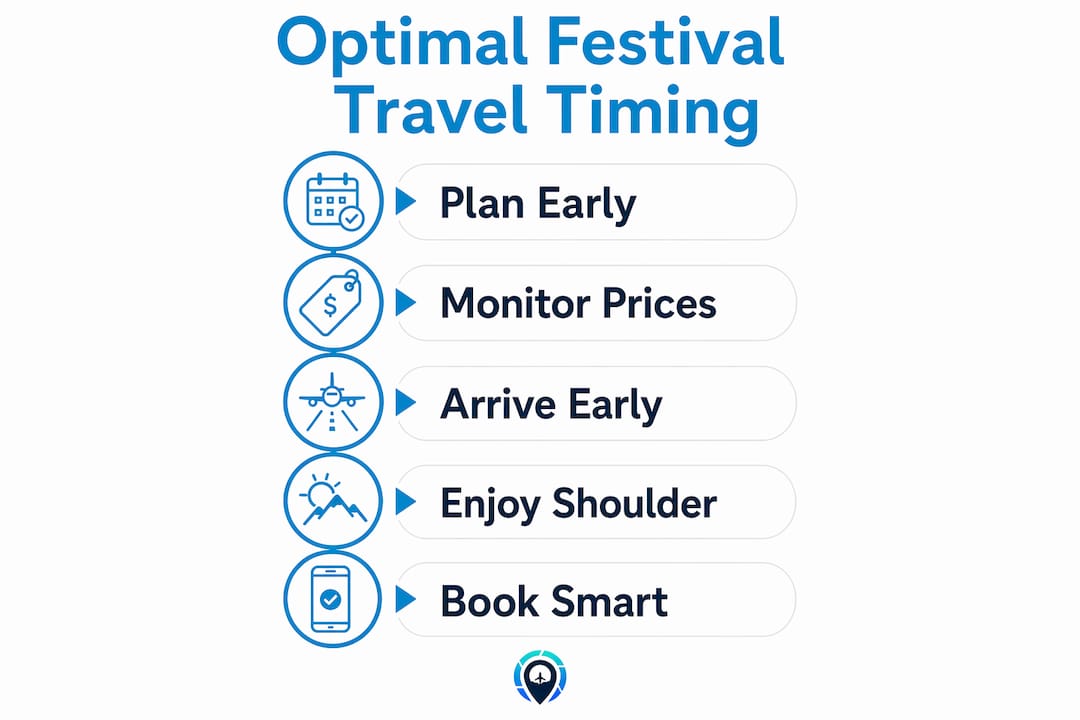
Timing is the single most underoptimized variable in festival travel planning. Most travelers obsess over destination and lineup but ignore the fact that when you go shapes your costs, your crowd experience, and your stress levels just as much as where you go. Why timing matters festival travel comes down to three things: price, access, and energy. Get the timing right and you save real money, skip the worst queues, and actually enjoy the festival instead of surviving it. Get it wrong and you’re paying peak rates, stuck in gridlock, and too exhausted to care about the headliner.
Why timing matters in festival travel: the core case
Timing is a strategic lever in travel, not just a scheduling detail. Shifting your travel dates by even a few weeks can replace reactive urgency with a planned sequence of decisions. That shift gives you better options at every step, from flights to lodging to daily energy management.
The cost impact alone is staggering. Hotel rates in event-driven destinations spike dramatically during peak festival weeks. Munich’s Oktoberfest hotel rates average €415 per night, which is 153% above the annual city average. That’s not a minor premium. That’s the difference between a comfortable trip and a budget-busting one.
Crowd density follows the same curve. Peak crowds can increase wait times 3–5x and inflate hotel prices by over 50%. During Venice’s Carnival, for example, hotel rates run up to 57% above surrounding weeks. The math is clear: timing your visit even slightly off-peak changes the entire texture of the experience.
How does arrival timing affect your festival experience?
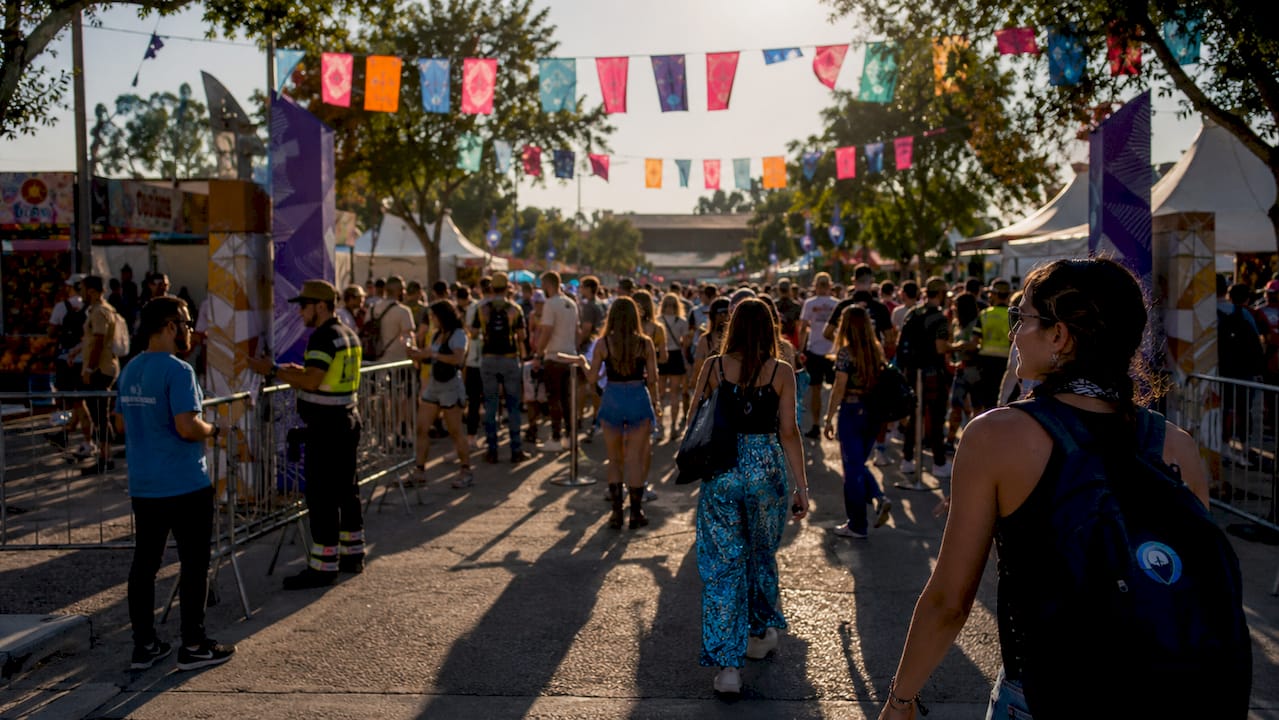
Arriving the day of a major festival is one of the most stressful things you can do to yourself. Flights get delayed. Luggage goes missing. Transit from the airport to the venue takes twice as long as expected because every other attendee is doing the same thing at the same time. Arriving one full day early gives you the buffer to handle those problems calmly, without missing the main event.
That extra day also lets you get oriented. You can scout the venue layout, find your camp mates, locate the lockers, and figure out which food stalls are worth the queue. By the time the festival opens, you’re relaxed and ready instead of frantic and sweaty.
Departure timing is just as tricky. The post-festival travel window is almost always underestimated. Leaving very early the morning after a festival is logistically brutal. Transit is packed, you’re exhausted, and local services are overwhelmed. A 6:00 AM flight sounds smart until you realize the shuttle queue at 4:00 AM is 45 minutes long.
Here’s what actually works for departure timing:
- Book your return flight for the day after the festival ends , not the morning after the final night.
- Avoid the first two hours of morning transit on departure day. Everyone else has the same idea.
- Build in a recovery morning. Even one slow breakfast before heading to the airport makes the whole trip feel less punishing.
- Check local transit schedules specific to the festival. Many large events run special shuttle services with limited windows.
Pro Tip: Book a hotel room near the venue for the night after the festival ends. It costs less than a missed flight and feels like a gift to your future self.
When should you book festival flights and hotels?
Booking timing and travel timing are two separate variables, and confusing them is one of the most common festival travel mistakes. You can decide to travel during shoulder season and still book too late. You can plan to attend peak weekend and still find a deal if you book at the right moment.
The key concept here is velocity normalization. Tracking booking pace and inventory absorption helps predict when a festival city is entering a high-pressure booking window. Three signals tell you that window is opening: rising occupancy rates, shrinking available inventory, and hotels switching to stricter cancellation policies. When you see all three, prices are about to jump.
| Booking window | Typical availability | Price level | Cancellation flexibility |
|---|---|---|---|
| 6+ months out | High | Lowest | Most flexible |
| 3–6 months out | Moderate | Rising | Moderate |
| 6–12 weeks out | Limited | Peak or near-peak | Strict |
| Under 6 weeks | Very limited | Highest | Minimal |
Travelers who shift dates and book strategically save approximately 30% compared to those who book reactively. That’s not a small number on a multi-night festival trip. For a four-night stay at a festival city hotel, 30% savings can easily mean $300–$600 back in your pocket.
Pro Tip: Set a Google Flights price alert for your festival city the moment the lineup is announced. Prices often dip briefly before the general public reacts, and that window is your best shot at a deal.
How do crowd levels and shoulder seasons change the math?
Crowd management is one of the most underrated aspects of festival travel planning. Most travelers think of crowds as an unavoidable feature of festivals. The reality is that crowd density varies significantly depending on which days you attend and how close to the peak dates you travel.
Shoulder-season travelers who choose dates 4–8 weeks before or after peak event periods enjoy 80–90% of the festival experience while saving 30–40% on total trip costs. That translates to $800–$2,400 in average savings per trip. The experience gap is smaller than most people assume.
For multi-day festivals, the same logic applies within the event itself. Opening day and closing night are almost always the most crowded. The middle days often offer shorter queues, more breathing room, and the same headliners. Arriving for day two instead of day one can feel like attending a completely different event.
Here’s a quick comparison of what you actually get at different timing windows:
| Timing | Crowd level | Hotel cost | Experience quality |
|---|---|---|---|
| Peak festival weekend | Very high | 150%+ of average | Full lineup, max crowds |
| Shoulder days (mid-festival) | Moderate | 80–100% of average | Full lineup, manageable crowds |
| Just outside festival dates | Low | 60–70% of average | Partial access, city atmosphere |
The tradeoffs are real. Arriving just outside peak dates means you might miss the headliner set you came for. But for travelers who care more about the overall atmosphere than a specific performance, the savings and comfort gains are worth it. Traveling Portrait’s guide on regional festival differences breaks down how these crowd dynamics shift across different parts of the world.
Practical tips for syncing your schedule with the festival lineup
The best timing strategy falls apart if you don’t sync it with the actual event schedule. Festival travel planning should start with the event program, not with flight search. Knowing which acts perform on which days, and at which stages, directly shapes when you need to arrive and where you should stay.
Here’s a practical sequence for syncing your travel timing with the festival schedule:
- Download or print the full event program as soon as it’s released. Identify your top three must-see acts and note their performance times and stage locations.
- Choose your lodging based on stage proximity. If your priority acts are all on the main stage, staying on the east side of the venue saves you 20 minutes of transit per set.
- Build buffer blocks into every day. Experienced festival-goers build at least one unscheduled hour daily to absorb delays, long queues, and unexpected weather. That buffer is not wasted time. It’s what keeps your day from collapsing.
- Match your energy to the schedule. If the headliner plays at midnight, don’t exhaust yourself with a 9:00 AM activity. Protect your energy for the moments that matter most.
- Check weather forecasts for the specific festival dates , not just the general season. Outdoor festivals are highly weather-dependent, and a rain day changes every timing decision you’ve made.
Pro Tip: Use the travel itinerary framework to map your festival days hour by hour. It sounds rigid, but a loose plan with built-in buffers is far more flexible than no plan at all.
Well-timed travel also means observing the cultural and natural rhythms of the destination. A festival in Belgium in july feels completely different from one in january. Local transit patterns, daylight hours, and even food vendor schedules all shift with the season. The travelers who feel most at ease are the ones who let the destination’s rhythm inform their own.
Key Takeaways
Timing is the most powerful and most neglected variable in festival travel, and getting it right consistently separates great trips from stressful ones.
| Point | Details |
|---|---|
| Arrive one day early | Absorb delays and get oriented before the festival opens to reduce stress. |
| Book at velocity signals | Watch for rising occupancy and shrinking inventory to book before prices spike. |
| Shoulder timing saves money | Traveling 4–8 weeks off-peak saves 30–40% while preserving 80–90% of the experience. |
| Sync with the event program | Start planning with the festival schedule to choose lodging, arrival, and daily priorities. |
| Build daily buffer blocks | Reserve at least one unscheduled hour per day to handle delays without losing key moments. |
Timing is the festival variable most travelers ignore
I’ve been to enough festivals to know that the people who have the best time are almost never the ones who scored the best tickets. They’re the ones who showed up a day early, stayed a day late, and didn’t try to do everything. That’s a timing mindset, not a luck mindset.
The most common mistake I see is treating timing as a constraint rather than a tool. Travelers lock in dates based on what’s cheapest or most convenient and then try to force the festival experience into that window. It rarely works. The festival doesn’t care about your schedule. You have to work around it.
What actually changed my approach was thinking about timing the way a photographer thinks about light. You don’t shoot a landscape at noon because it’s convenient. You wait for the golden hour because that’s when the conditions are right. Festival travel works the same way. The right arrival day, the right booking window, the right departure buffer. Those choices compound into a completely different trip.
I’ve also learned to stop underestimating the post-festival window. I used to book the earliest possible flight home because I wanted to “get back to normal.” Every time, I regretted it. Now I book a late morning flight the day after, sleep in, have a real breakfast, and actually enjoy the city I flew to. That one change made every festival trip feel less like a sprint and more like an experience worth having.
If you’re planning your first big festival trip, check out Traveling Portrait’s firsthand account of Tomorrowland in Belgium. The arrival and logistics sections alone will save you hours of stress.
— Justin Frazier
Plan your next festival trip with Traveling Portrait
Traveling Portrait covers festival travel the way it should be covered: with real logistics, honest timing advice, and photography that makes you want to book the flight right now.
Whether you’re chasing a music festival in Europe or a cultural celebration in Asia, the adventure travel guides on Traveling Portrait give you the timing frameworks, packing lists, and destination insights to plan with confidence. For travelers who want to capture the experience as well as live it, the travel photography workshop is the perfect complement to any festival trip. Good timing gets you there. Good planning makes it unforgettable.
FAQ
Why does timing matter so much for festival travel?
Timing directly affects your costs, crowd experience, and logistical ease. Hotel rates at peak festival events can run 150% above city averages, and crowds can increase wait times 3–5x compared to off-peak days.
When is the best time to book festival flights and hotels?
Book at least 3–6 months before the festival for the best combination of price and availability. Watch for rising hotel occupancy and shrinking inventory as signals that prices are about to spike.
What is the optimal arrival time for a festival?
Arriving at least one full day before the festival starts is the standard recommendation. That buffer absorbs flight delays, luggage issues, and transit slowdowns without costing you any of the main event.
How much can shoulder-season timing actually save?
Travelers who shift dates 4–8 weeks before or after peak festival periods save 30–40% on total trip costs, averaging $800–$2,400 per trip, while still accessing 80–90% of the festival experience.
Should I leave the morning after the festival ends?
A very early departure the morning after a festival is rarely practical. Crowded transit, exhaustion, and slow local services make it easy to miss flights. Booking a late morning departure the day after gives you a recovery buffer and a far less stressful exit.
Recommended
Other Posts You Might Like