
Rent a Campervan in Iceland: An Adventure Around the Entire Ring Road
Iceland
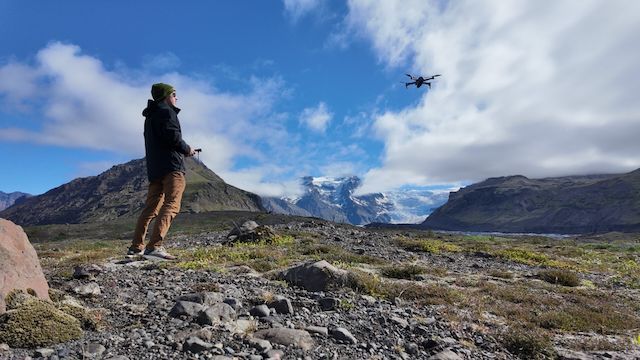
It's the middle of July, and I'm standing on black volcanic sand with a glacier calving into the ocean in front of me, and it is 33 degrees Fahrenheit. Zero Celsius. In summer.
My breath is fogging in front of my face while, somewhere behind me, the campervan's little propane heater is fighting a losing battle against the wind coming off the ice. This is the moment Iceland stops being a place on a map and starts rearranging something in your chest.
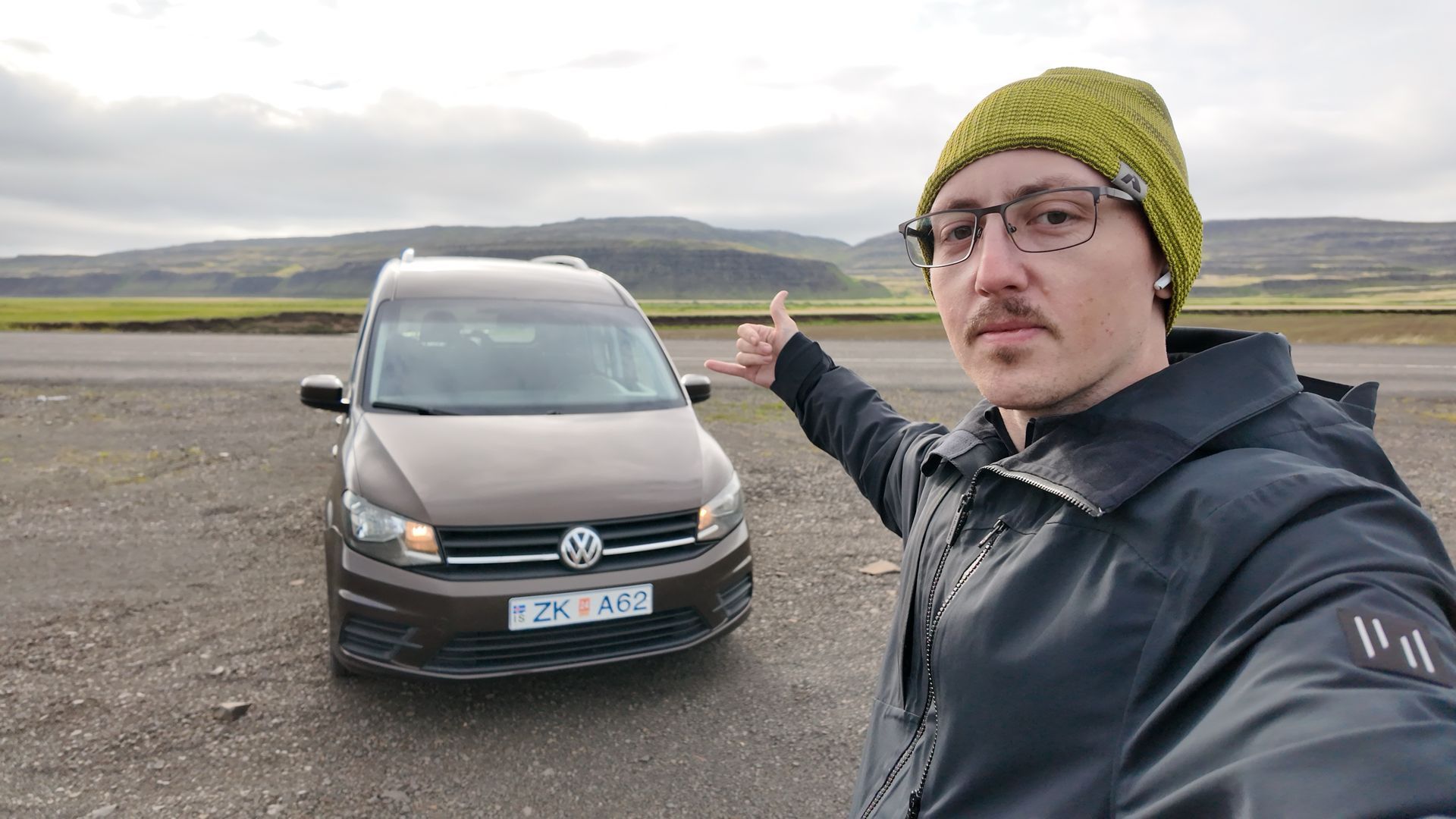
Deciding to rent a campervan in Iceland and drive the entire Ring Road was, without question, one of the best decisions I've made as a traveler.
It's also one of the strangest, most sensory-overloading trips imaginable: volcanoes steaming on the horizon, glaciers grinding down toward black beaches, moss-covered lava fields that look like something out of a dream, and weather that can shift from sunshine to sideways sleet in the time it takes to refill your coffee thermos.
Here's what the journey actually felt like, along with everything I learned about finding the right campervan rental in Iceland, choosing the right insurance, and deciding where a rental van should and shouldn't take you.
Why a Campervan Is the Only Way to See All of Iceland
Iceland rewards travelers who move slowly and stop often, and nothing lets you do that quite like a campervan.
The Ring Road, Route 1, loops roughly 1,300 kilometers around the entire country, connecting fishing villages, waterfalls, black sand beaches, and glacier lagoons that would otherwise require an impossible number of hotel bookings to see on a fixed schedule.
With a campervan, if a waterfall catches the evening light just right, you simply pull over and stay.
That freedom is the entire appeal of choosing to rent a campervan in Iceland over a standard rental car and string of hotels. You wake up parked beside a fjord instead of a parking lot.
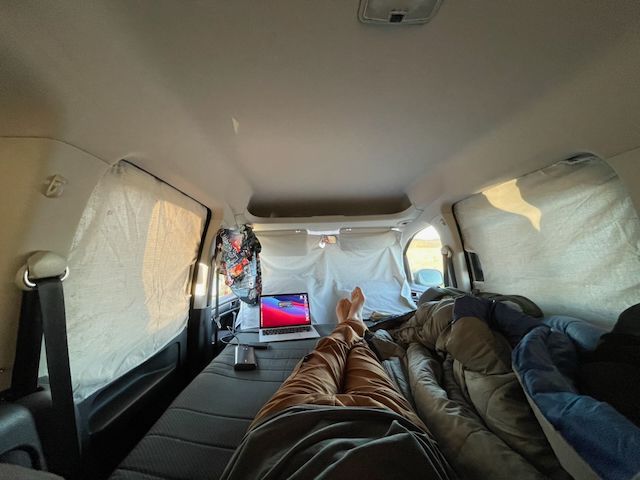
You cook breakfast with a view of a volcano that erupted a few years ago and might again tomorrow. And when the weather turns, which it will, constantly, you're never more than a few steps from shelter and a hot drink.
The Drive: Volcanoes, Glaciers, and a Sky That Never Sits Still
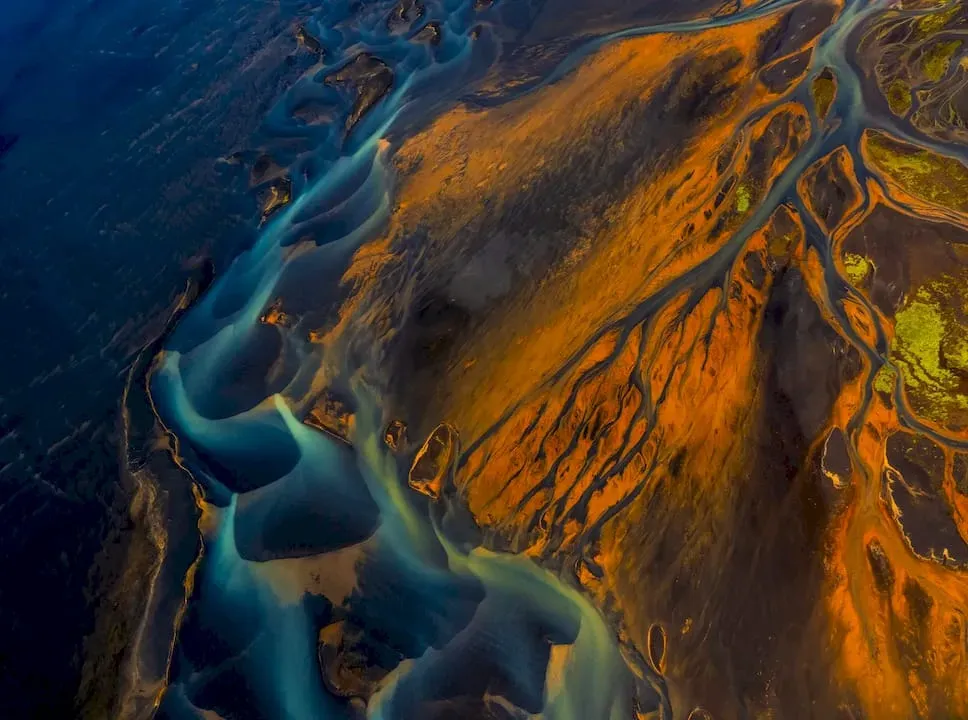
Leaving Reykjavik, the landscape changes faster than seems reasonable. Within an hour you're driving through fields of black lava rock blanketed in electric-green moss, the kind of terrain that looks more like another planet than anywhere on Earth.
Along the South Coast, waterfalls appear almost too frequently to stop for all of them, glacier tongues creep down from the highlands close enough to the road to see individual crevasses, and the black sand beaches near Vík feel genuinely otherworldly, all basalt columns and thundering surf.
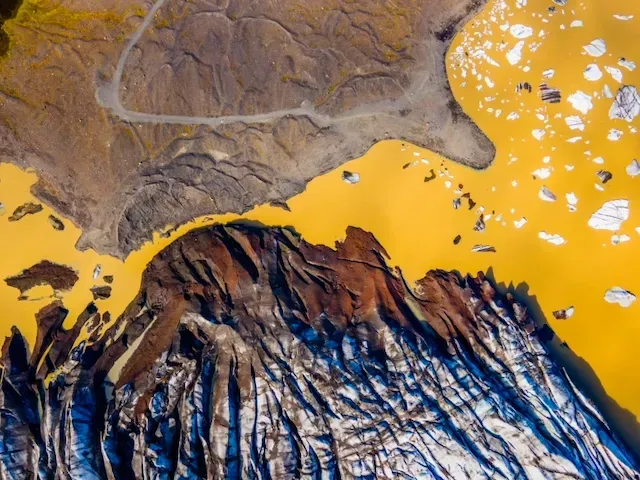
Then there's the glacier lagoon country further east, where icebergs calve off Vatnajökull, Europe's largest ice cap, and drift out toward the ocean past black sand studded with stranded chunks of blue ice.
This is where that July cold snap hit hardest, standing at the water's edge in what should have been peak summer, watching my breath cloud in front of me while the ice groaned and cracked somewhere out on the lagoon.
Reykjavik in July usually sits comfortably in the 50s Fahrenheit, but up near the glaciers and through the highlands, temperatures can drop close to freezing even in summer, especially with wind coming straight off the ice. Iceland does not care what season your calendar says it is.
Driving the full loop means constantly recalibrating what you expect the next hour to look like. Volcanic craters give way to sweeping green valleys, which give way to fjord-side switchbacks, which give way to geothermal fields hissing steam into the cold air. It's sensory overload in the best possible way, and a campervan is the only vehicle that lets you actually absorb it instead of rushing past it.
How to Find the Best Campervan Rental in Iceland
If you're planning to rent a campervan in Iceland, the sheer number of rental companies can be overwhelming. A few things make the search easier:
Use a comparison platform first. Rather than checking a dozen individual company websites, comparison sites let you filter by vehicle type, transmission, amenities like a toilet or shower, and included insurance, all in one place. This is the fastest way to see what a fair price actually looks like before booking direct.
Book well ahead for peak season. June through August is Iceland's busiest travel window, and the well-equipped vans, the ones with real heating, a toilet, or a shower, get booked out first. If your trip lands in summer, book months in advance rather than weeks.
Prioritize condition over model year. A well-maintained older van with good tires and reliable heating will serve you far better than a newer van that's been driven hard all season. Read recent reviews specifically about heating performance and road noise, since you'll be sleeping in this vehicle through Iceland's unpredictable weather.
Decide on 2x4 vs. 4x4 before you book. This single choice determines where you're legally allowed to drive, which brings us to insurance and road types.
What Insurance to Buy for a Campervan Rental in Iceland
Iceland's insurance add-ons look confusing at first, but they map directly onto the specific risks of driving here.
Collision Damage Waiver (CDW) is typically included as a baseline and covers standard collision damage, though it usually comes with a high deductible, often in the range of 350,000 ISK.
Super CDW (SCDW) lowers that deductible significantly, sometimes down to a fraction of the base amount. If you're not an experienced winter or gravel driver, this upgrade is worth the extra cost for peace of mind alone.
Gravel Protection (GP) covers chips and cracks to the windshield, headlights, and body panels caused by loose stones kicked up on Iceland's many gravel and unpaved roads, which make up a significant portion of the Ring Road outside the capital region. Skip this one at your own risk.
Sand and Ash Protection (SAAP) covers damage from Iceland's notoriously strong coastal winds, which can pick up volcanic sand and sandblast a vehicle's paint and windshield, especially along the South Coast near Vík. Repair costs from sand and ash damage can run extremely high, making this coverage well worth it if your route includes that stretch.
F-road and river crossing coverage matters only if you're taking a 4x4 into the highlands, and even then, most policies explicitly exclude damage from river crossings. Read the fine print carefully before attempting any river ford, insured or not.
F-Roads vs. the Main Highway: What to Actually Think About
The Ring Road itself, Route 1, is paved and accessible to any standard 2x4 campervan, making it entirely possible to circle the whole country without ever needing four-wheel drive.
If your itinerary sticks to the Ring Road and its paved spurs, a standard campervan will get you to nearly every famous glacier, waterfall, and black sand beach in the country.
F-roads are a different story entirely. These are the mountain tracks that cut into Iceland's highlands, and they are restricted to 4x4 vehicles only, both by law and by the terrain itself: unbridged river crossings, loose volcanic gravel, and washboard surfaces that would destroy a standard van's undercarriage.
F-roads also close for most of the year, typically opening only from June through September once snowmelt allows safe passage, and conditions can change with a single storm.
Before committing to an F-road route, be honest about your comfort level with river crossings, since insurance rarely covers them and a stalled engine in moving glacial meltwater is a genuinely serious situation. For most travelers, especially first-timers who want to rent a campervan in Iceland, sticking to the Ring Road and a handful of well-maintained gravel spurs delivers an unforgettable trip without the added risk.
Was It Worth Freezing in July? Absolutely.
Standing at that glacier lagoon in 33-degree weather in the middle of summer, half-frozen and completely in awe, is the moment that sums up why people fall in love with road-tripping this country. Iceland doesn't ease you into its landscapes.
It hands you volcanoes, glaciers, and black sand beaches back to back to back, and a campervan is what lets you actually stop, breathe it in, and sleep beside it instead of rushing to the next hotel check-in.
If you're weighing whether to rent a campervan in Iceland for your own Ring Road trip, the honest answer is: bring warmer layers than you think you need, buy the insurance that matches your route, and go.
Planning your own Iceland road trip?
Explore more adventure travel guides at Traveling Portrait.