

The Best Travel Gear Guide for Photographers and Content Creators in 2026
By Traveling Portrait · travelingportrait.co
Let me be completely honest with you about something. The best travel photograph I have ever taken was not made with the most expensive camera I own.
It was made at 6 a.m. on a black sand beach in Iceland, half-awake, wind-burned, standing in the wrong shoes — and I got the shot because I understood the light, I trusted my composition instincts, and I had a camera in my hand that I knew well enough to operate without thinking.
Gear matters. But gear without fundamentals is just expensive luggage.
This best travel gear guide exists to give you both — the foundational knowledge that separates forgettable snapshots from images that stop people mid-scroll, and the specific equipment recommendations I personally use and stand behind across every level of budget and experience.
Whether you're documenting your first international trip on a smartphone or building out a professional kit for aerial photography workshops in Iceland, this guide will meet you exactly where you are.
Let's start with what no piece of gear can replace.
The Fundamentals: What Actually Makes a Great Travel Photograph
Light Is Everything
If you take nothing else from this guide, take this: the quality of light in your photograph matters more than any camera setting, any lens, any piece of gear you will ever purchase.
Photography is literally the art of writing with light — the word itself comes from the Greek phos (light) and graphé (writing). Learn to read it, chase it, and wait for it, and your images will improve dramatically regardless of what camera is in your hands.
The golden hours — the 30 to 60 minutes immediately after sunrise and before sunset — produce the warm, directional, low-angle light that makes landscapes, portraits, and travel scenes feel cinematic and alive.
The blue hour, just before sunrise and just after sunset, delivers a cooler, more ethereal quality that works beautifully for cityscapes and seascapes. Harsh midday light is flat, contrasty, and unforgiving — not impossible to work with, but the most demanding light you will encounter as a travel photographer.
When I'm on location — whether I'm shooting Iceland's glacial rivers from a Flightseeing.is aircraft or standing on a ridge in Alaska waiting for the aurora — my first question is never "what camera should I use?"
It's "where is the light coming from, and where will it be in 20 minutes?" That single habit has transformed my photography more than any gear purchase I have ever made.
Composition and the Rule of Thirds
Every extraordinary travel photograph is built on a deliberate compositional decision. Composition is the architecture of your image — the way you arrange the elements within the frame to create a photograph that feels balanced, intentional, and visually compelling.
The rule of thirds is the foundational principle every travel photographer needs to internalize. Divide your frame into a 3x3 grid — two horizontal lines and two vertical lines creating nine equal sections.
Place your primary subject, your horizon line, or your key point of interest along one of those lines or at one of the four intersection points rather than dead center. The result is a photograph that feels dynamic and natural rather than static and rigid.
Most cameras and smartphones have a rule of thirds grid overlay in their viewfinder — turn it on and leave it on until the principle becomes instinctive.
Beyond the rule of thirds, the compositional tools I reach for most consistently in travel photography are leading lines — roads, rivers, shorelines, fences that draw the eye through the frame toward the subject — and foreground interest, which adds depth and dimension to landscape shots that would otherwise feel flat.
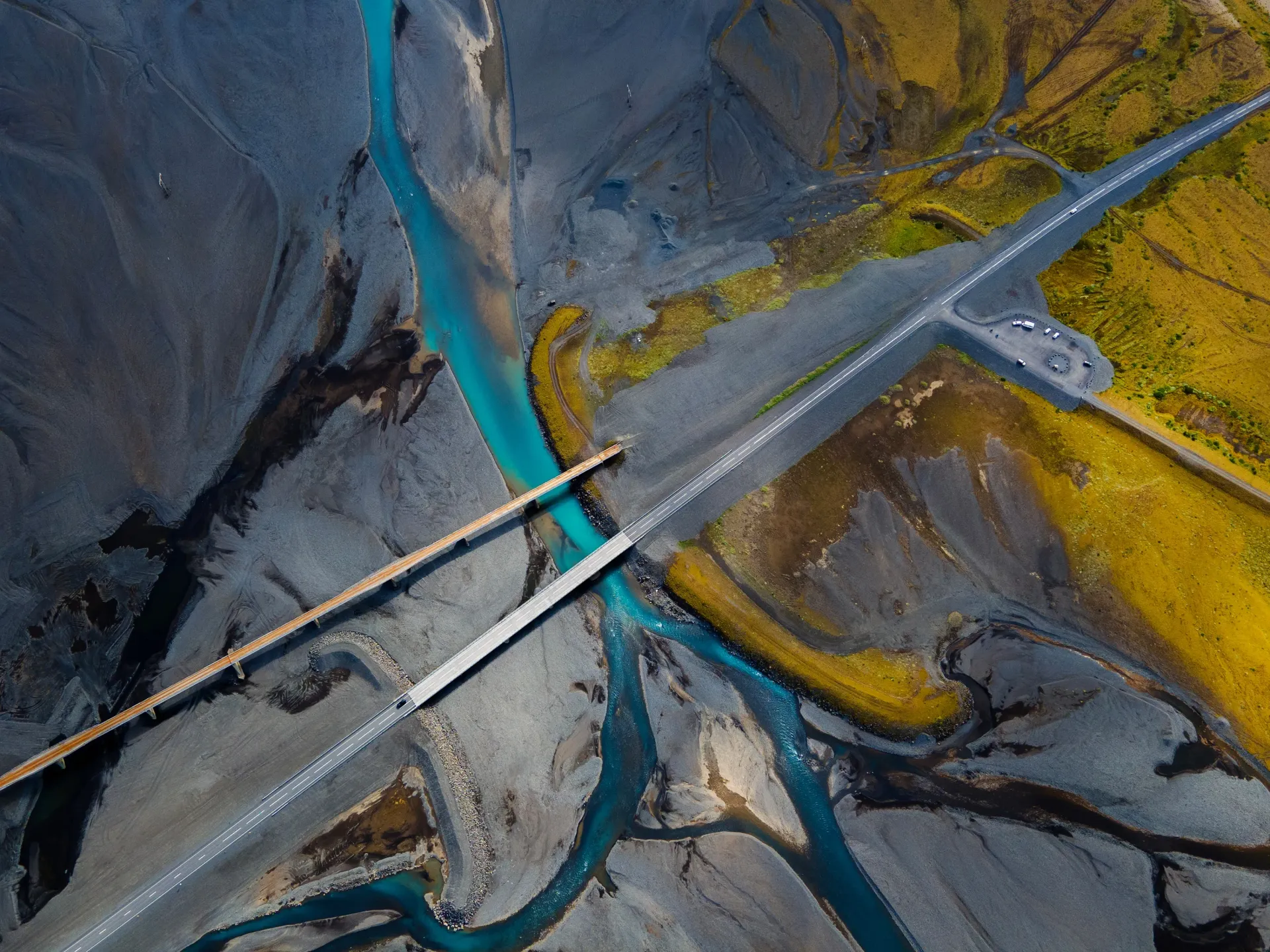
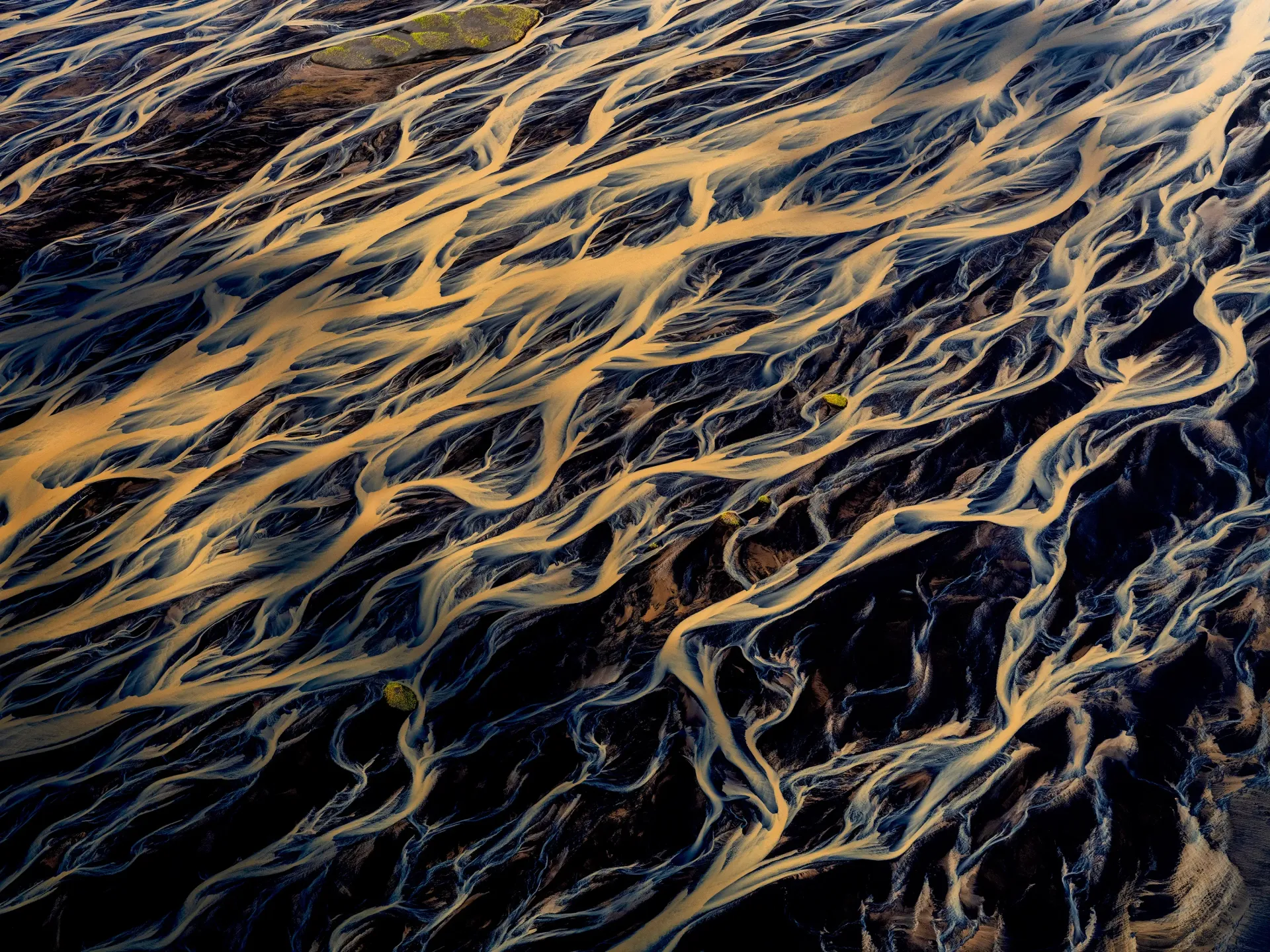
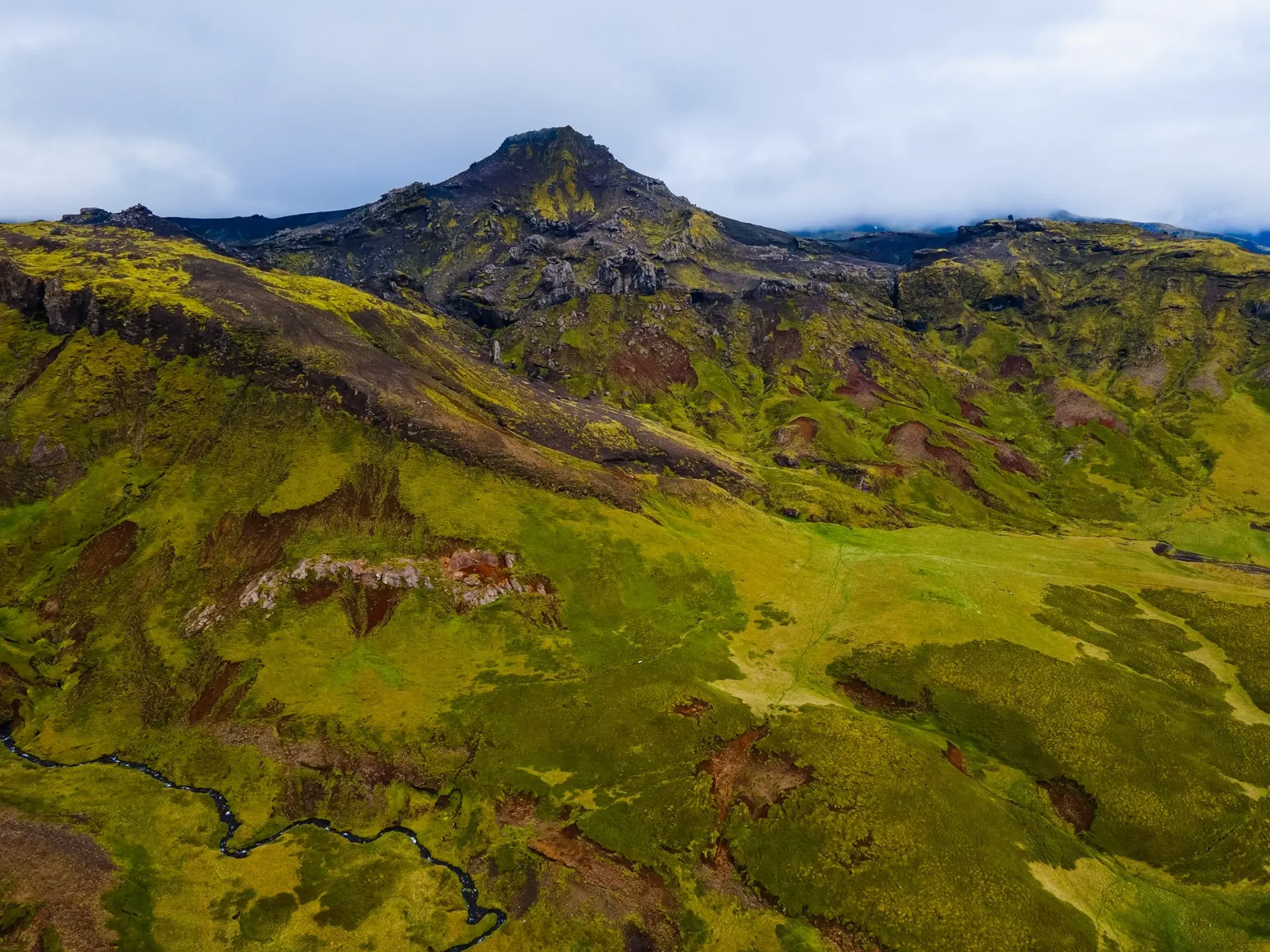
When I'm shooting Iceland's braided glacial rivers from above, I'm looking for the natural curves and patterns that create those leading lines within the abstract landscape.
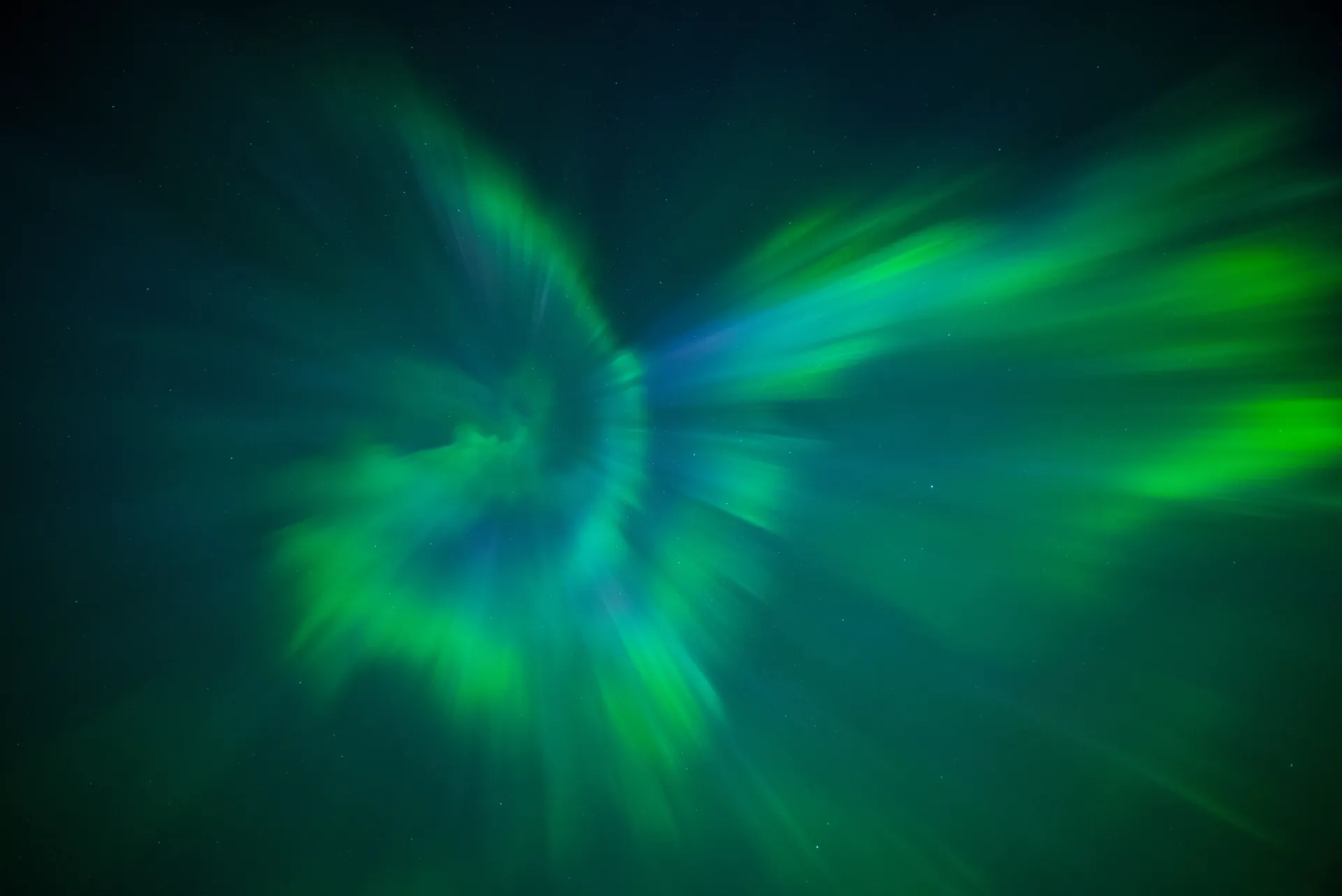
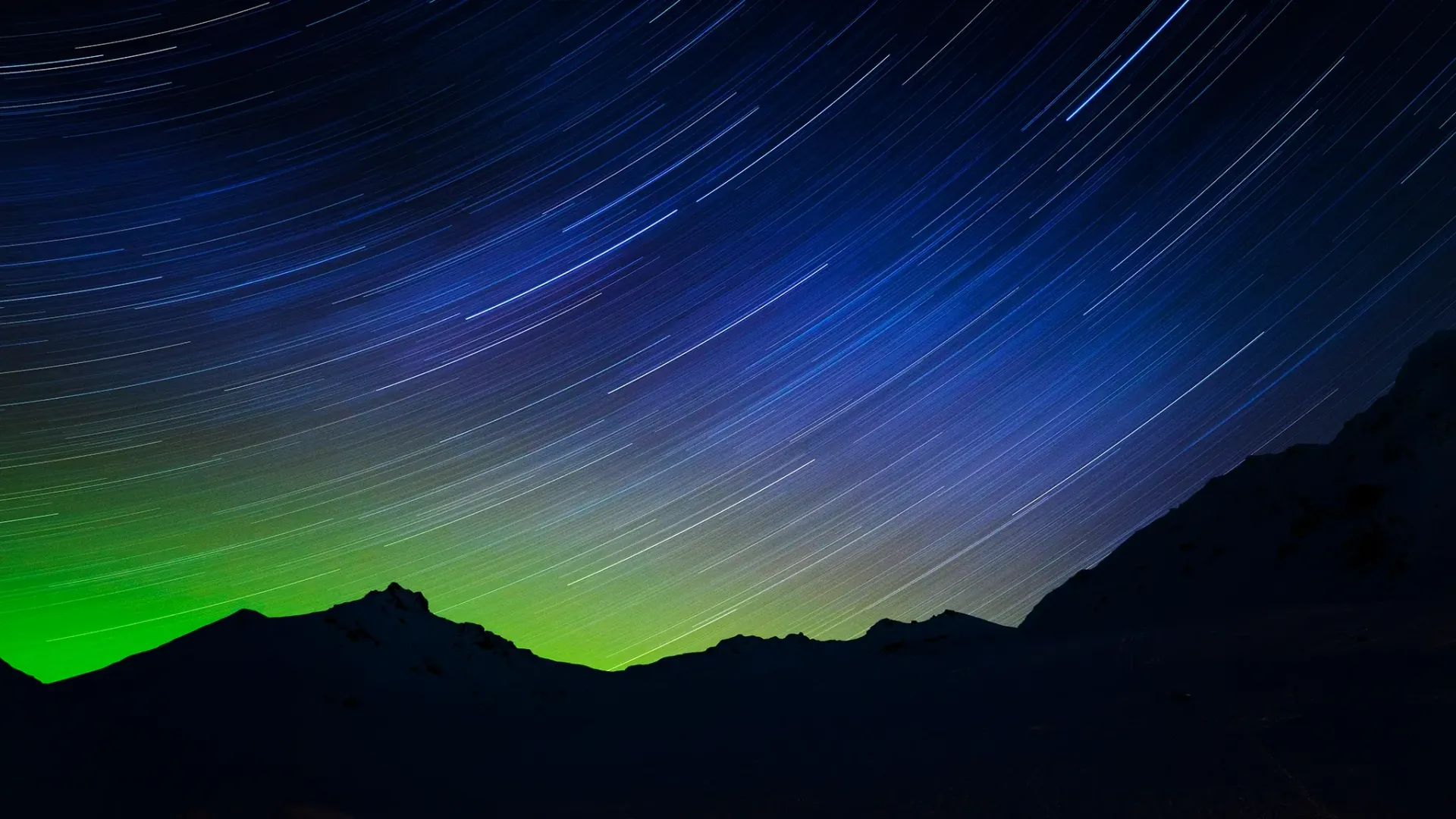
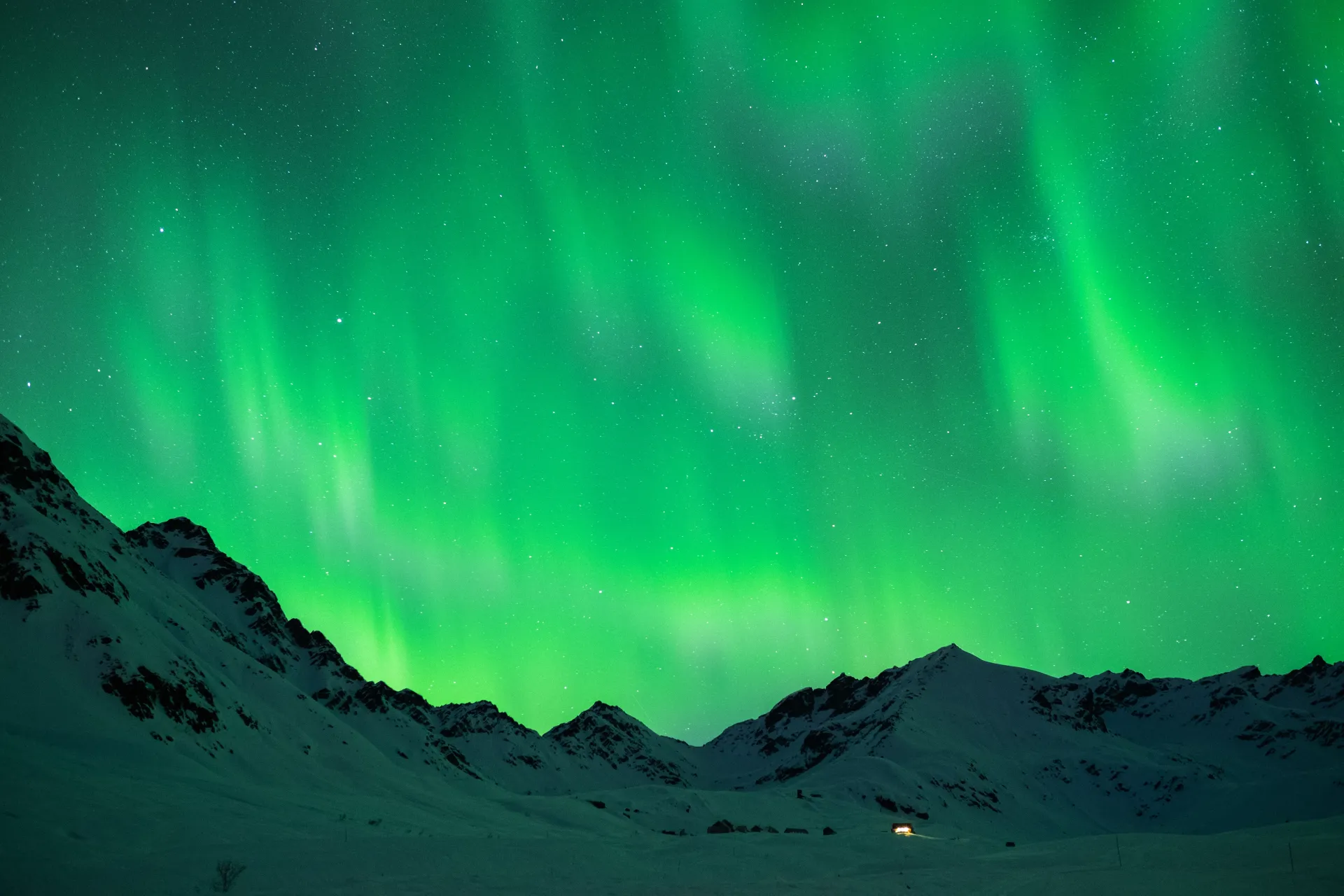
When I'm shooting the aurora in Alaska, I'm always looking for something in the foreground — a silhouetted treeline, a reflective lake, a lone structure — to anchor the composition.
The Perfect Shot Is 80% Patience
No one tells you this when you're starting out: great travel photography is mostly waiting. Waiting for the light to shift. Waiting for the clouds to part.
Waiting for the moment when the scene in front of you clicks into alignment. I have stood in the same spot for two hours waiting for a specific quality of light that I knew was coming based on the direction of the sun and the movement of the clouds.
I have set a 4 a.m. alarm to be at a location before anyone else arrived. I have stood in the rain, in the wind, in sub-zero Alaskan temperatures, because the shot I was after was worth the discomfort.
The gear carries you to the moment. The patience and the fundamentals make the image.
Beginner Travel Photography Gear
Perfect for: First-time travelers, casual content creators, social media photography
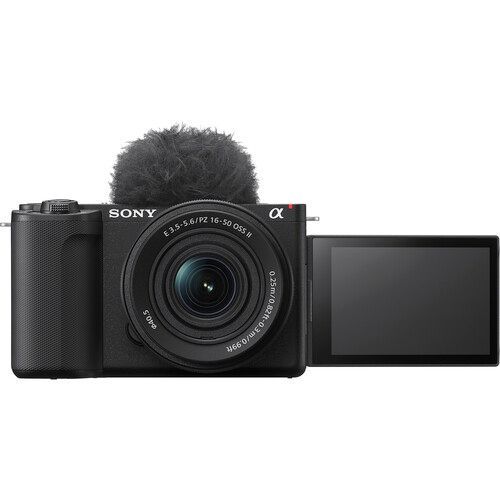
Sony ZV-E10 II APS-C (Mirrorless)
$1048.00
- Description: The Sony ZV-E10 II is a compact, beginner-friendly APS-C mirrorless camera that delivers impressive image quality, fast autofocus, and excellent video performance in a lightweight body — making it the perfect first step up from a smartphone for travel photographers and content creators on the go.
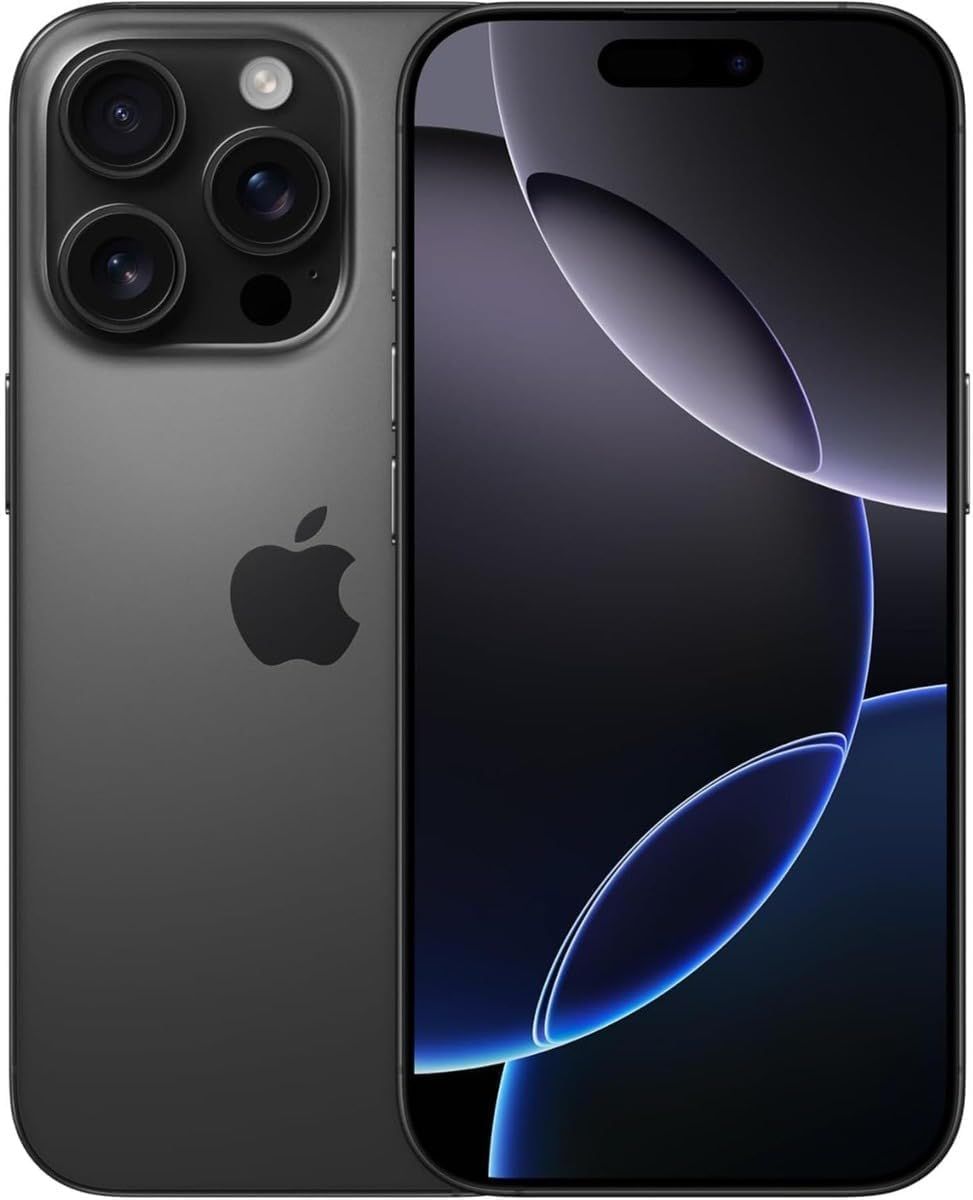
$902.86 (Renewed)
- Description: The iPhone 16 Pro redefine what a smartphone camera can do, delivering stunning computational photography, a versatile triple-lens system, and ProRAW capability that produces travel images and video content worthy of any professional platform — all from a device that fits in your pocket.
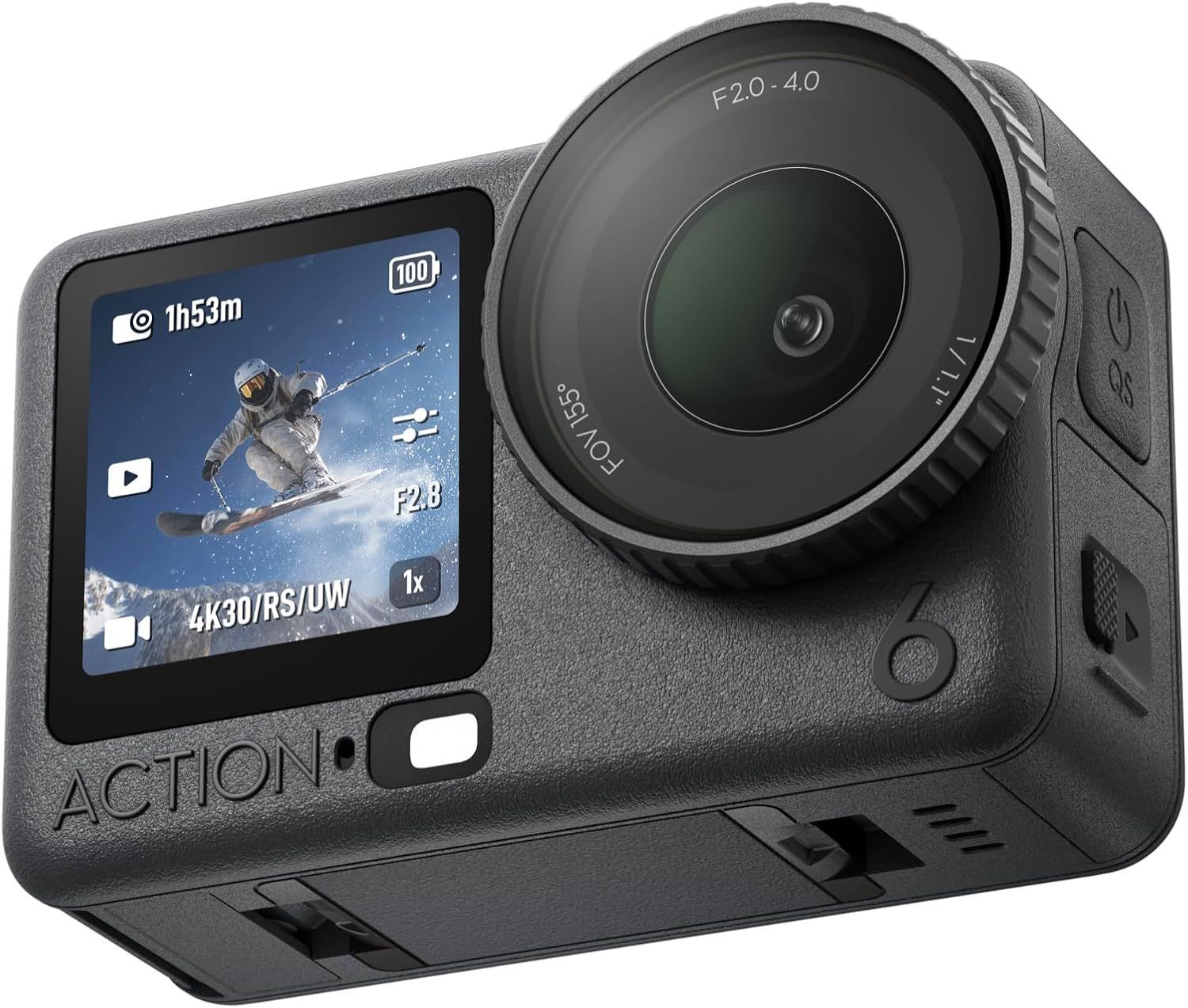
$426.00
- Description: The DJI Action 6 is a rugged, compact action camera built for adventurers, delivering stunning stabilized 4K video, exceptional low-light performance, and a durable waterproof design that keeps up with every extreme environment travel throws at it — from Iceland's glacial rivers to Alaska's arctic wilderness.
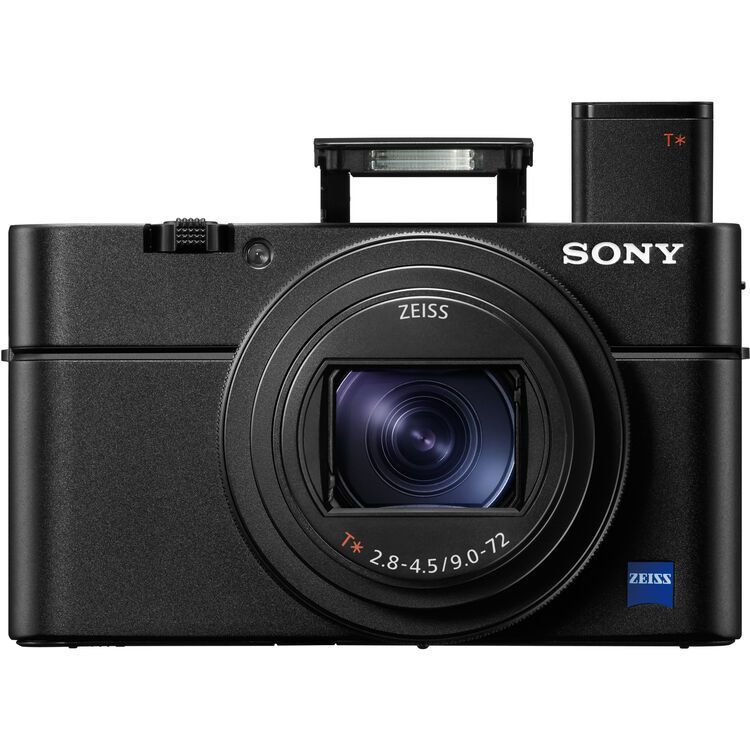
$1498.00
- Description: The Sony RX100 VII is the ultimate pocket-sized powerhouse, packing a 20MP 1-inch sensor, blazing-fast autofocus, and impressive zoom range into one of the most compact and travel-friendly camera bodies ever made — delivering image quality that punches far above its size for travelers who want serious performance without the bulk.
Intermediate Travel Photography Gear
Perfect for: Serious hobbyists, travel bloggers, content creators building an audience
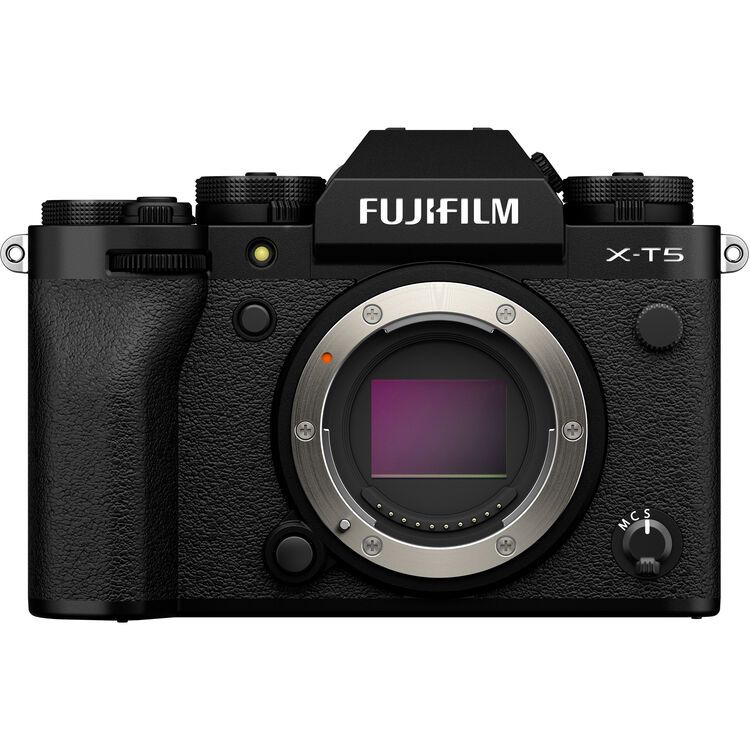
Fujifilm X-T5 APS-C (Mirrorless) 40.2 MP
$2299.00
- Description: The Fujifilm X-T5 is a powerhouse 40MP APS-C mirrorless camera that combines extraordinary image quality, Fujifilm's legendary film simulation modes, and a compact weather-sealed body light enough to take anywhere — making it the ultimate travel camera for serious photographers who refuse to compromise on image quality or portability.
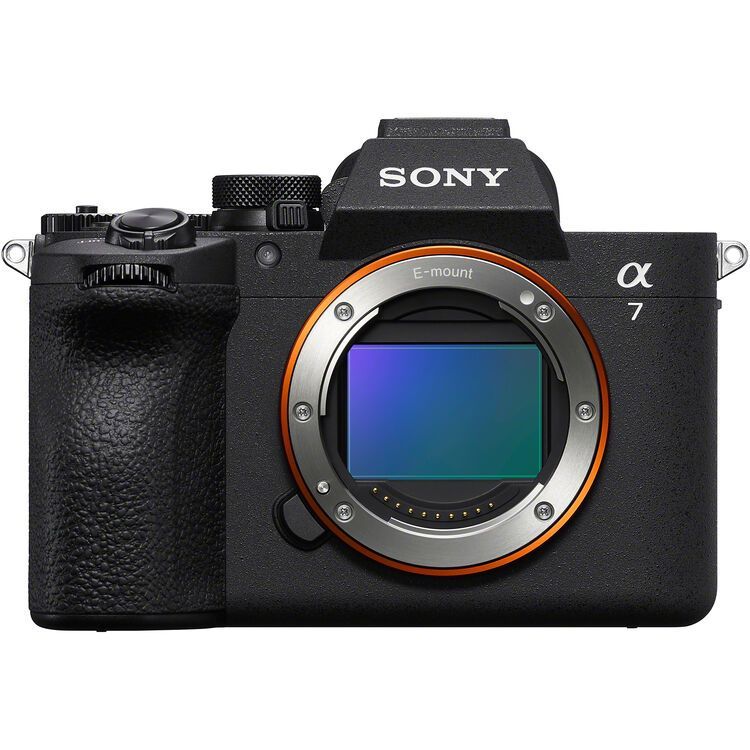
Sony A7V Full Frame (Mirrorless) 33 MP
$2753.10
- Description: The Sony A7V is a full-frame mirrorless powerhouse that combines a next-generation 50MP sensor, Sony's most advanced AI-driven autofocus system, and outstanding low-light capability in a compact professional body — making it one of the most versatile and capable travel cameras available for photographers and video creators who demand the absolute best from a single system.
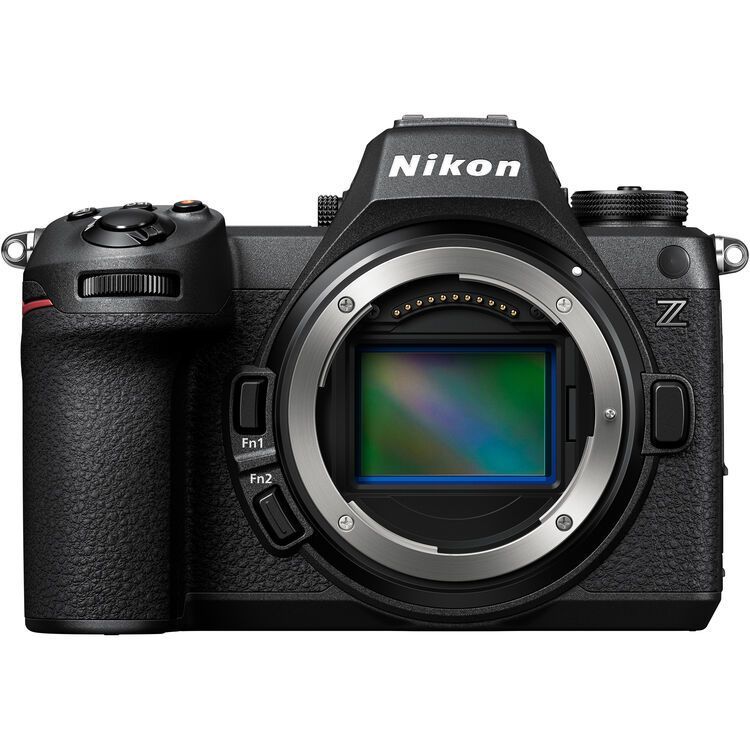
Nikon Z6 III (Mirrorless) 24.5 MP
$1959.99
- Description: The Nikon Z6 III is a groundbreaking full-frame mirrorless camera featuring a partially stacked 24.5MP sensor, remarkable low-light performance, and blazing-fast readout speeds that make it equally at home shooting the northern lights in Alaska, fast-moving wildlife, or cinematic 6K video — all in a robust, weather-sealed body built for the demands of serious travel photography.
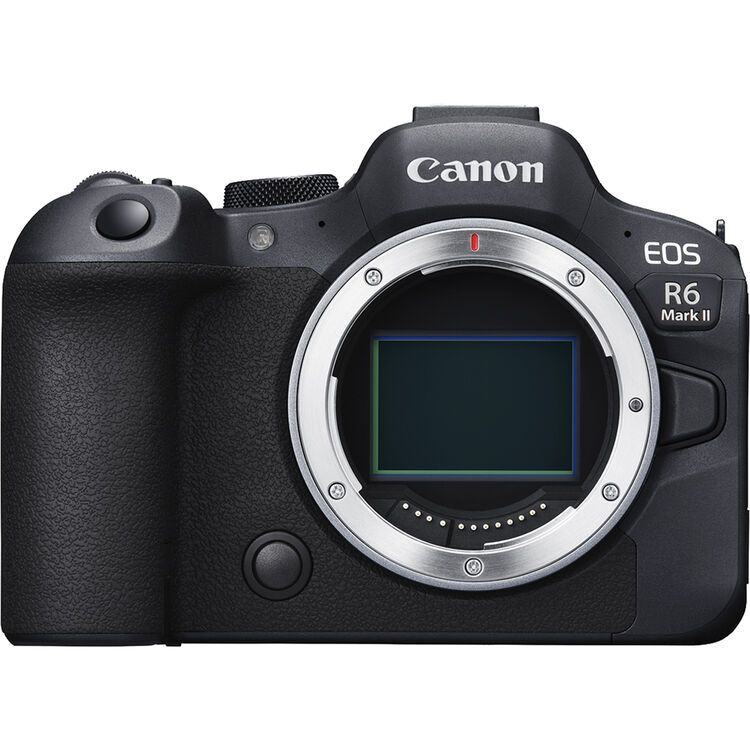
Canon EOS R6 Mark II (Mirrorless) 24.2 MP
$1979.00
- Description: The Canon EOS R6 Mark II is a versatile full-frame mirrorless camera that delivers a winning combination of a 40fps burst shooting, Canon's class-leading subject-tracking autofocus, outstanding high-ISO performance, and 6K RAW video capability — making it one of the most well-rounded and reliable travel cameras available for photographers who need to capture every moment in any lighting condition.
Professional Travel Photography Gear
Perfect for: Working photographers, workshop leaders, commercial travel photographers
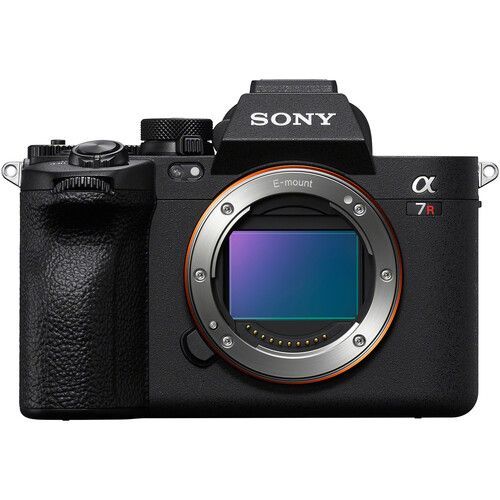
Sony A7R V Full Frame (Mirrorless) 61 MP
$3265.02
- Description: The Sony A7R V is a resolution powerhouse built for photographers who demand the finest detail, packing a stunning 61MP full-frame sensor, AI-powered autofocus, and class-leading image stabilization into a professional-grade body that delivers breathtaking landscape, aerial, and travel images that hold up at any size and any crop.
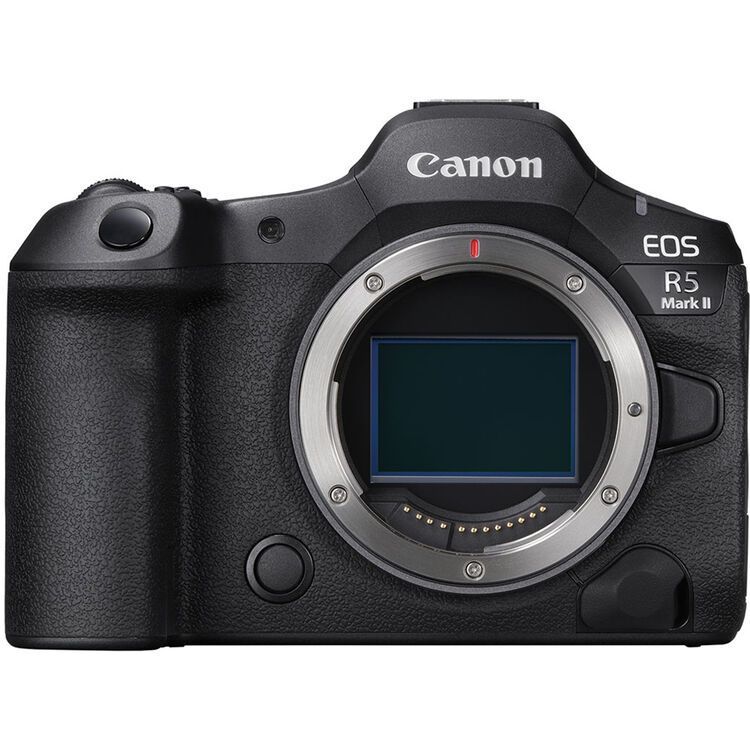
Canon R5 Mark ii (Mirrorless) 45 MP
$3599.00
- Description: The Canon EOS R5 Mark II is Canon's most ambitious mirrorless camera to date, combining a remarkable 45MP full-frame sensor, AI-accelerated autofocus that tracks subjects with uncanny precision, 8K RAW internal video recording, and best-in-class image stabilization in a weather-sealed professional body that sets a new benchmark for what a travel and hybrid photography camera can achieve.
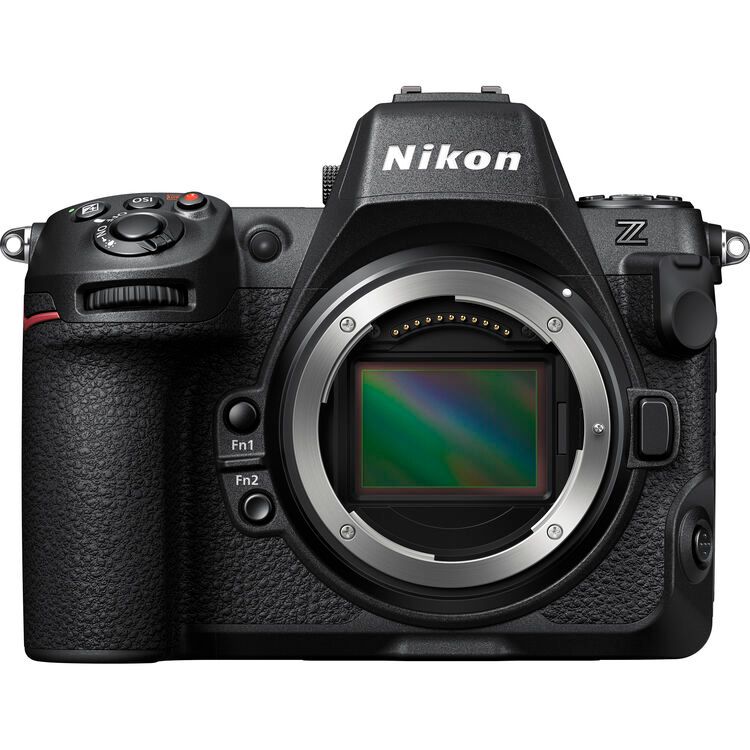
$3268.04
- Description: The Nikon Z8 is a flagship-level full-frame mirrorless camera that packs the same 45.7MP stacked BSI-CMOS sensor and 8K video capability as the Z9 into a more compact and travel-friendly body — delivering blistering speed, extraordinary dynamic range, and professional-grade performance that makes it one of the most capable and versatile cameras ever made for serious travel and wildlife photographers.
The Universal Essentials — Every Level
Regardless of your budget or experience level, these items belong in every travel photography kit:
Extra batteries and a multi-battery charger — Cold weather, long shoot days, and heavy video use drain batteries faster than you expect. Always carry more than you think you need.
A full set of memory cards with redundancy — Never travel with a single card. Cards fail. Carry multiples, and back up your files every night.
A portable hard drive or SSD — Samsung 1TB T7 Shield (~$287) is durable, fast, and compact enough to live in any bag pocket.
A lens cleaning kit — Sensor dust and lens smudges are the enemy of image quality. A blower, cleaning solution, and microfiber cloths weigh almost nothing and are used constantly in the field.
A waterproof camera cover — K&F Concept Rain cover ($19.99) or similar. Iceland's waterfalls, Alaska's coastal rain, the American Southwest's afternoon thunderstorms — protect your gear.
Final Thoughts: Buy Less, Shoot More
The best travel gear guide advice I can give you — after years of travel photography across some of the world's most extraordinary locations — is this: buy the best camera you can currently justify, learn it completely, and then invest your next dollar in a plane ticket rather than another lens.
The world is full of extraordinary images waiting to be made. The fundamentals of light, composition, and patience will unlock more of them than any piece of equipment ever will. Start where you are. Use what you have. Get on a plane.
The gear will grow with you. It always does.
*This website uses affiliate links to help support the business and continue posting/uploading content. By purchasing through our links, you help us grow. If you rather purchase without the link - no worries. All is well :)*