Travel Photography: The Complete Guide to Capturing the World Through Your Lens
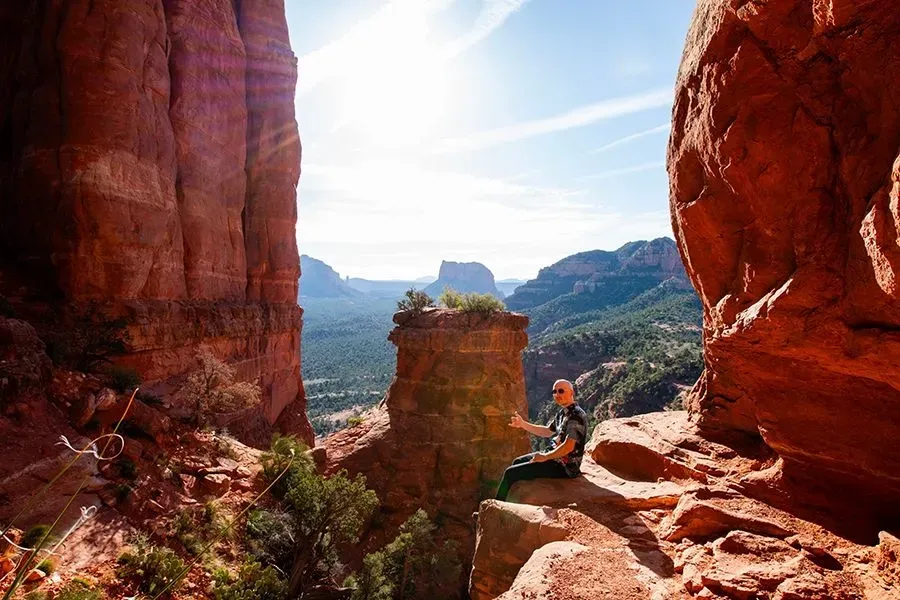
There's a moment every traveler knows: the light hits a temple wall just right, a street vendor laughs mid-gesture, fog rolls off a fjord like something out of a dream — and you reach for your camera. Travel photography is the art of holding onto those moments and sharing them with the world.
Whether you're planning your first international trip with a new mirrorless camera or looking to turn your passion into income, this guide covers everything you need to know about travel photography in 2026 — from essential gear and camera settings to composition techniques and career paths.
What Is Travel Photography?
Travel photography is a genre dedicated to documenting the landscapes, people, cultures, customs, and history of the places we visit. According to the Photographic Society of America, a true travel photo conveys the feeling of a time and place — showing a land, its people, or a culture in its natural, unstaged state.
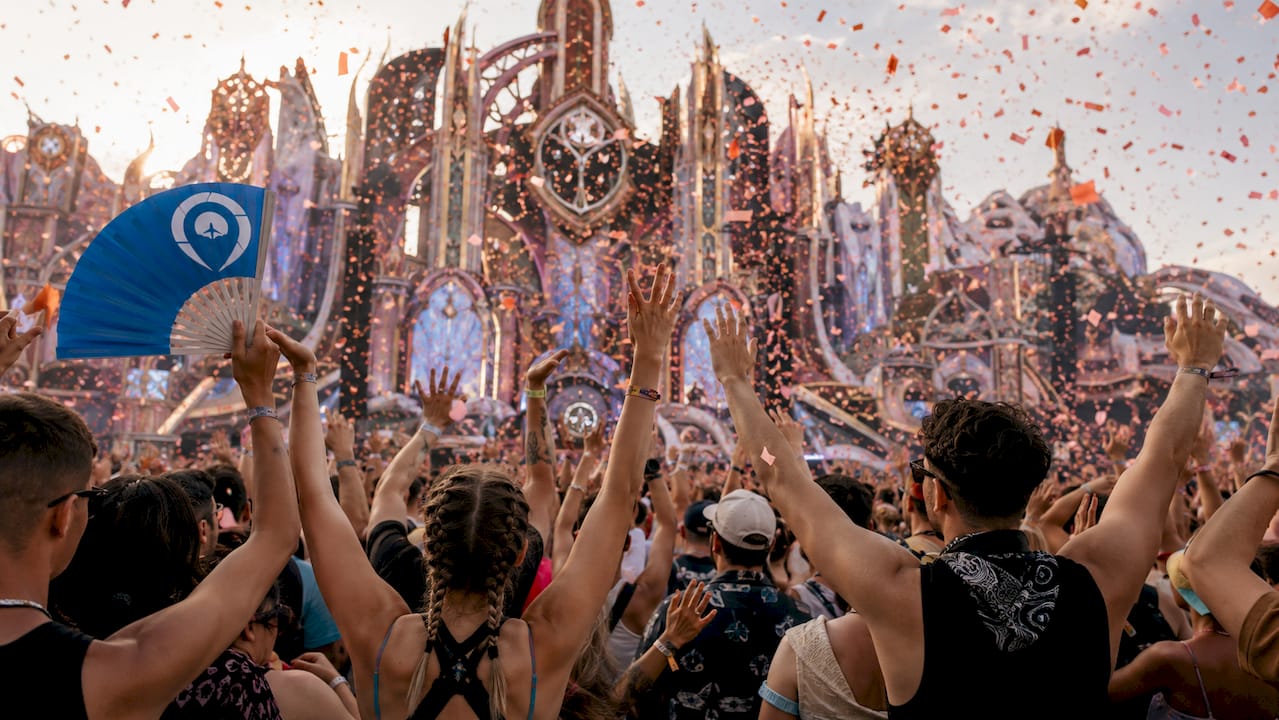
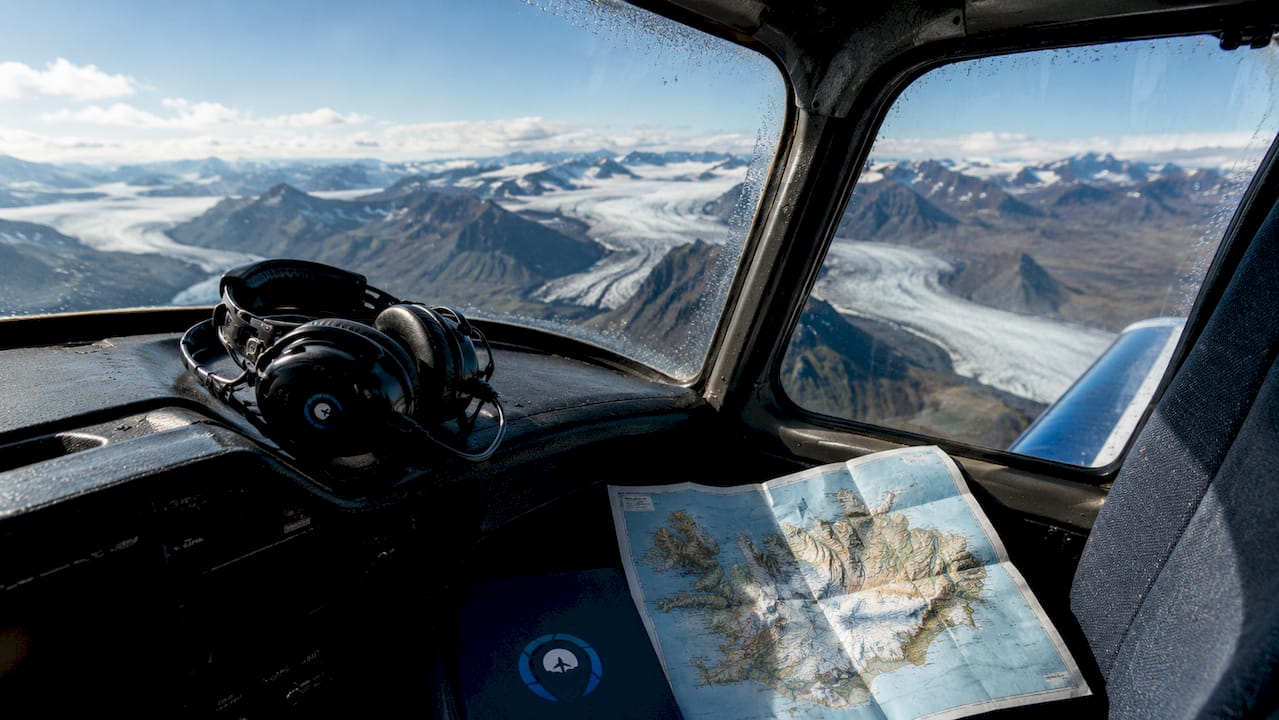
What makes this genre unique is its breadth. A single trip might have you shooting sweeping landscapes at sunrise, candid street portraits at midday, architectural interiors in dim light, and a night market after dark. Unlike studio genres where light and conditions are controlled, travel photographers work with whatever the moment gives them — which is exactly what makes it so rewarding.
Modern travel photography owes much of its visual language to publications like National Geographic and photographers such as Steve McCurry, whose iconic portraits taught generations that a travel image could be both documentary and deeply artistic.
Essential Travel Photography Gear
The best camera for travel photography is the one you'll actually carry. Weight matters more on the road than in almost any other genre, so build your kit around versatility.
Camera body. A lightweight mirrorless camera hits the sweet spot for most travelers, offering professional image quality without the bulk of a DSLR. That said, today's flagship smartphones are legitimate travel cameras — many published travel images now come from phones.
Lenses. If you carry only one lens, make it a versatile zoom in the 24–70mm range (or an 18–135mm equivalent for crop sensors). A compact prime like a 35mm f/1.8 earns its place for low-light interiors, food, and street photography. Landscape lovers should consider an ultra-wide.
The supporting cast. A travel tripod (carbon fiber if budget allows), spare batteries, plenty of memory cards, a polarizing filter for skies and water, a rain cover, and a comfortable strap round out the kit. A portable hard drive or cloud backup routine protects the images you can't reshoot.
Pro tip: Lay out everything you think you need, then remove a third of it. Fatigue is the enemy of creativity, and a lighter bag means you'll have your camera out more often.
Travel Photography Tips: 10 Techniques That Transform Your Images
1. Chase the golden hour
The hour after sunrise and before sunset delivers warm, directional, flattering light that makes even ordinary scenes glow. Plan your most important locations around these windows and use midday for scouting, food, and rest.
2. Research before you arrive
Great travel photos are rarely accidents. Study the location on Instagram, Google Maps, and photography forums. Know when the light hits the landmark, which vantage points are overdone, and where the locals actually gather.
3. Master composition fundamentals
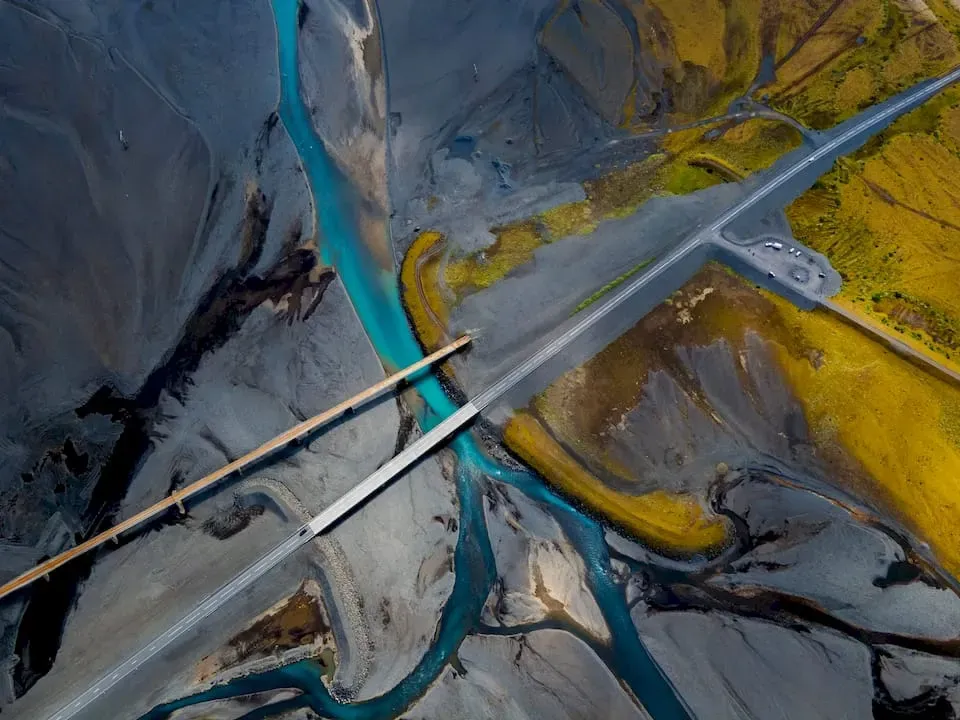
The rule of thirds is your starting point, not your ceiling. Look for leading lines (roads, rivers, railings), natural frames (doorways, arches, foliage), symmetry, and layers of foreground, midground, and background that give images depth.
4. Include people for scale and story
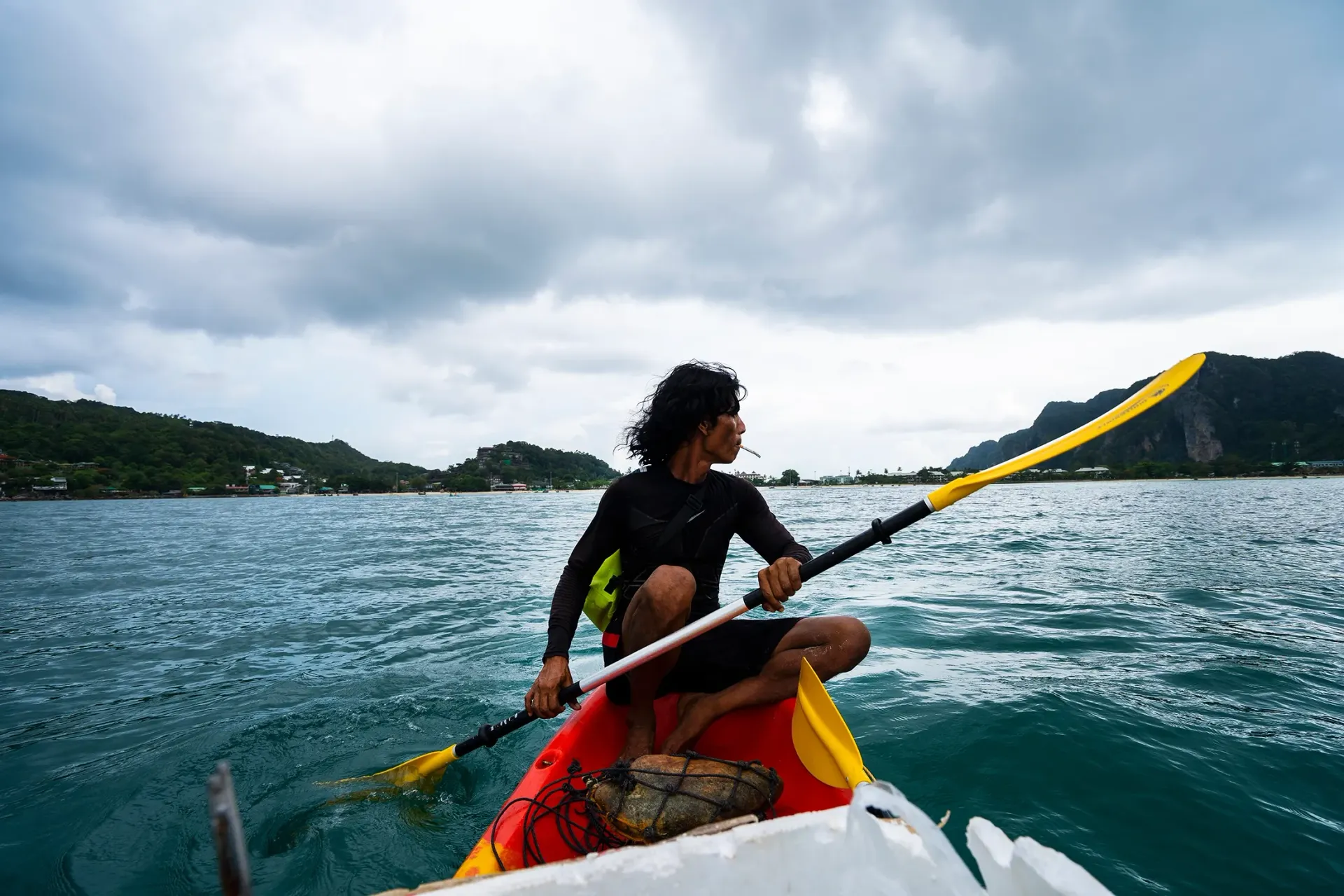
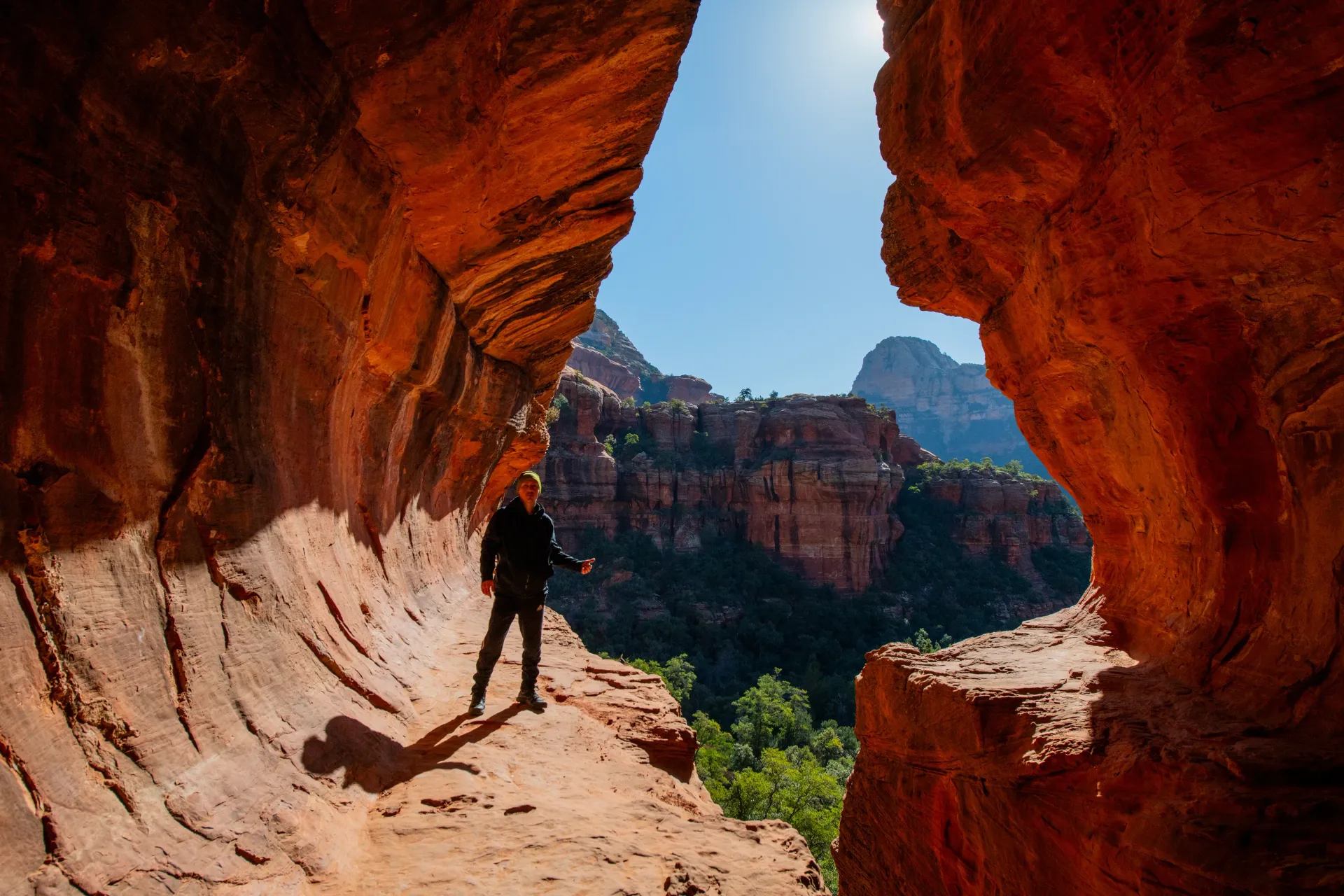
A landscape becomes a story when a human figure enters the frame. A lone hiker on a ridge, a fisherman casting a net, a child running through a plaza — people add emotion, scale, and cultural context.
5. Photograph people with respect
For portraits, a smile and a gesture toward your camera go a long way. Learn "may I take your photo?" in the local language. In some cultures photography of people is sensitive or unwelcome — when in doubt, ask, and always respect a no.
6. Wake up earlier than everyone else
Sunrise gives you two gifts: beautiful light and empty locations. The plaza that's shoulder-to-shoulder at noon is yours alone at 6 a.m.
7. Shoot in RAW
RAW files preserve dramatically more detail in highlights and shadows, giving you room to recover a blown sky or brighten a dark alleyway during photo editing. Storage is cheap; missed moments are not.
8. Learn your camera settings cold
Travel moments don't wait. Practice switching between aperture priority for portraits (wide aperture, blurred background), fast shutter speeds for street action (1/500s or faster), and long exposures for waterfalls and night scenes until it's muscle memory.
9. Tell the whole story
Don't just shoot postcards. Capture the details — hands kneading dough, weathered signage, textures of fabric and stone — alongside the wide establishing shots. A varied set of images tells a richer story than fifty versions of the same landmark.
10. Back up ruthlessly
Every night: copy cards to a drive or the cloud. One backup is none; two is one.
Camera Settings for Common Travel Scenarios
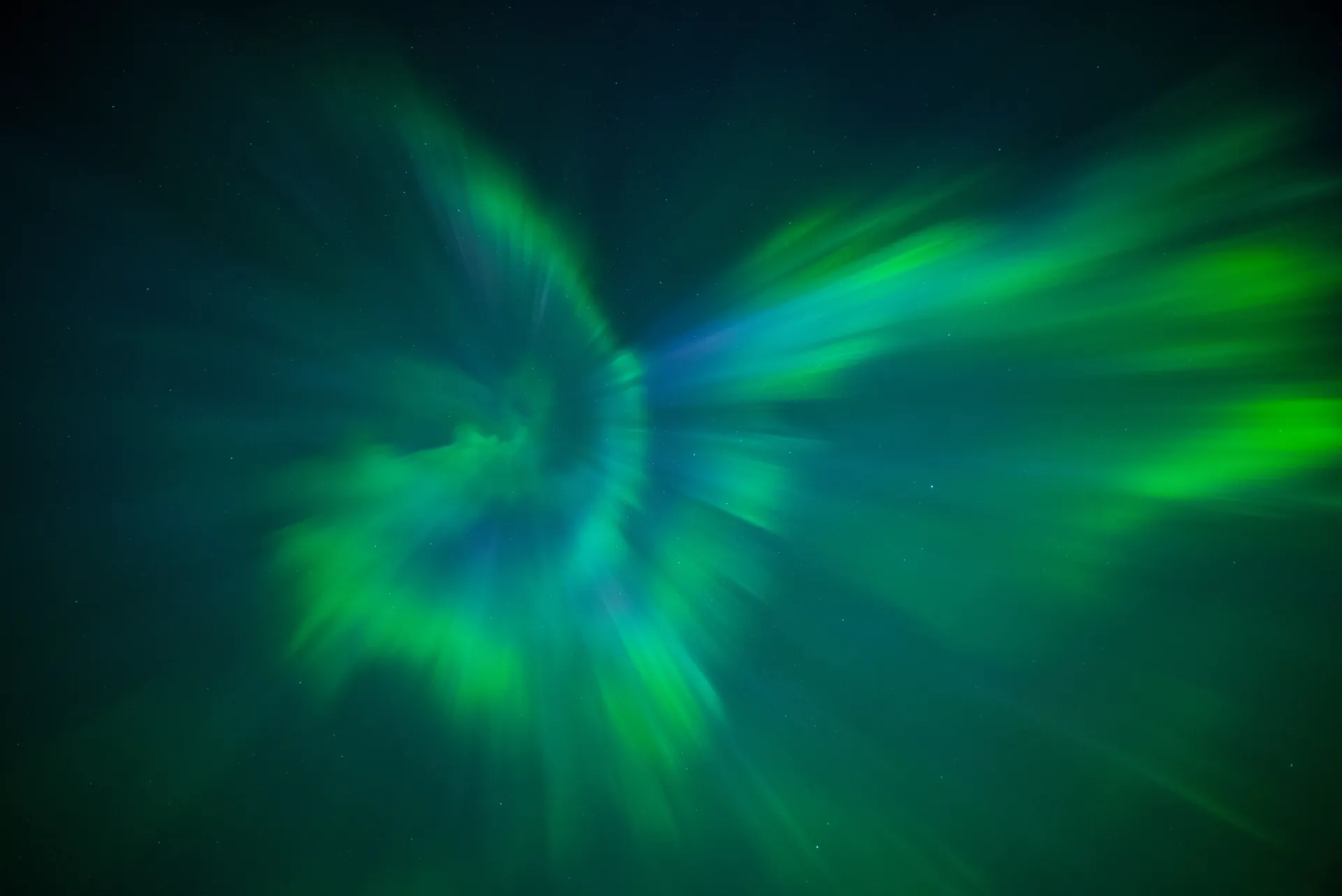
Landscapes: Aperture f/8–f/11 for edge-to-edge sharpness, low ISO (100–200), tripod for anything slower than 1/60s. Use a polarizer to deepen skies and cut glare.
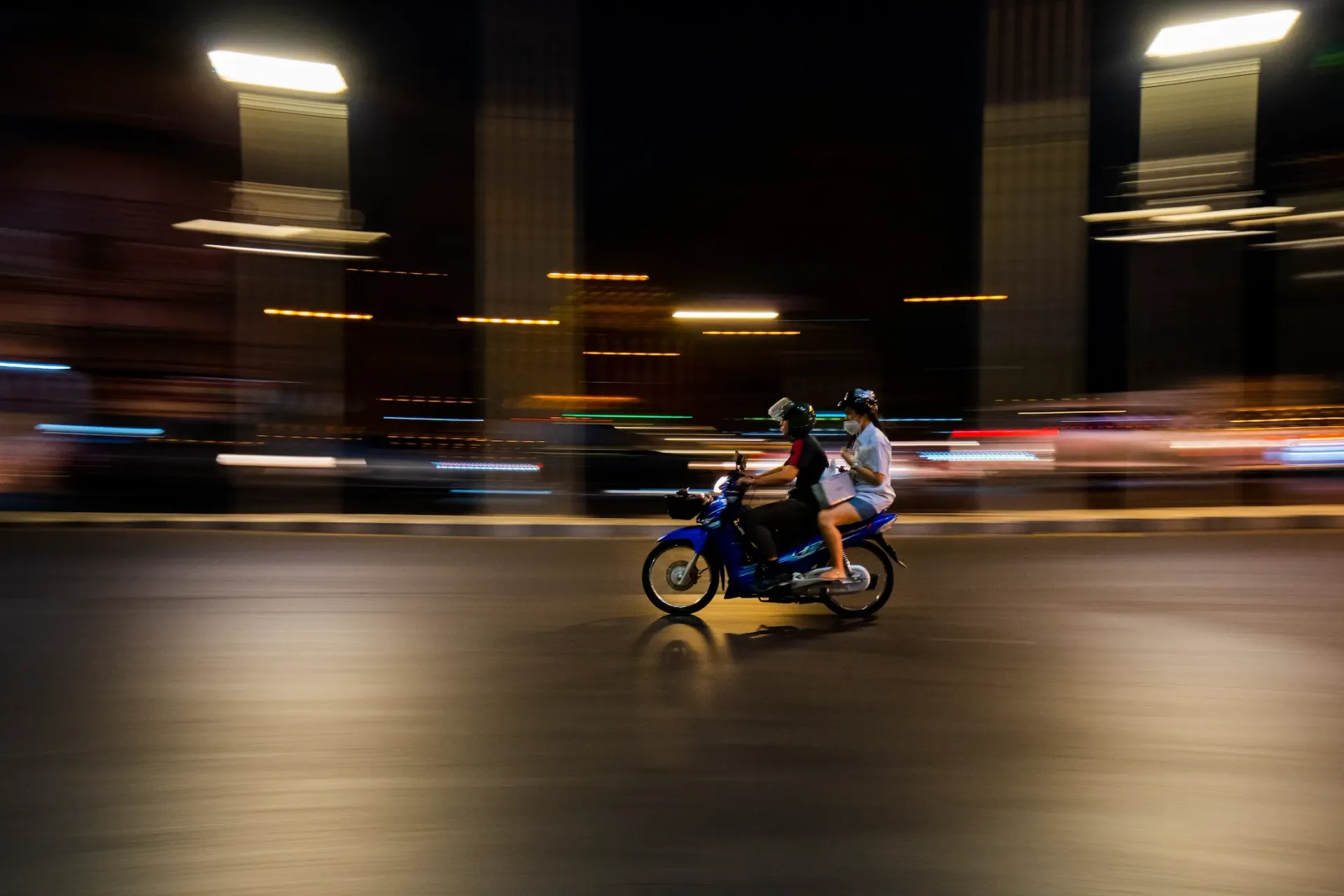
Street photography: Aperture priority at f/4–f/5.6, auto ISO with a minimum shutter speed of 1/250s, continuous autofocus. Zone focusing at f/8 works beautifully for fast candid work.
Portraits: Wide apertures (f/1.8–f/2.8) for creamy background separation, focus locked on the nearest eye.
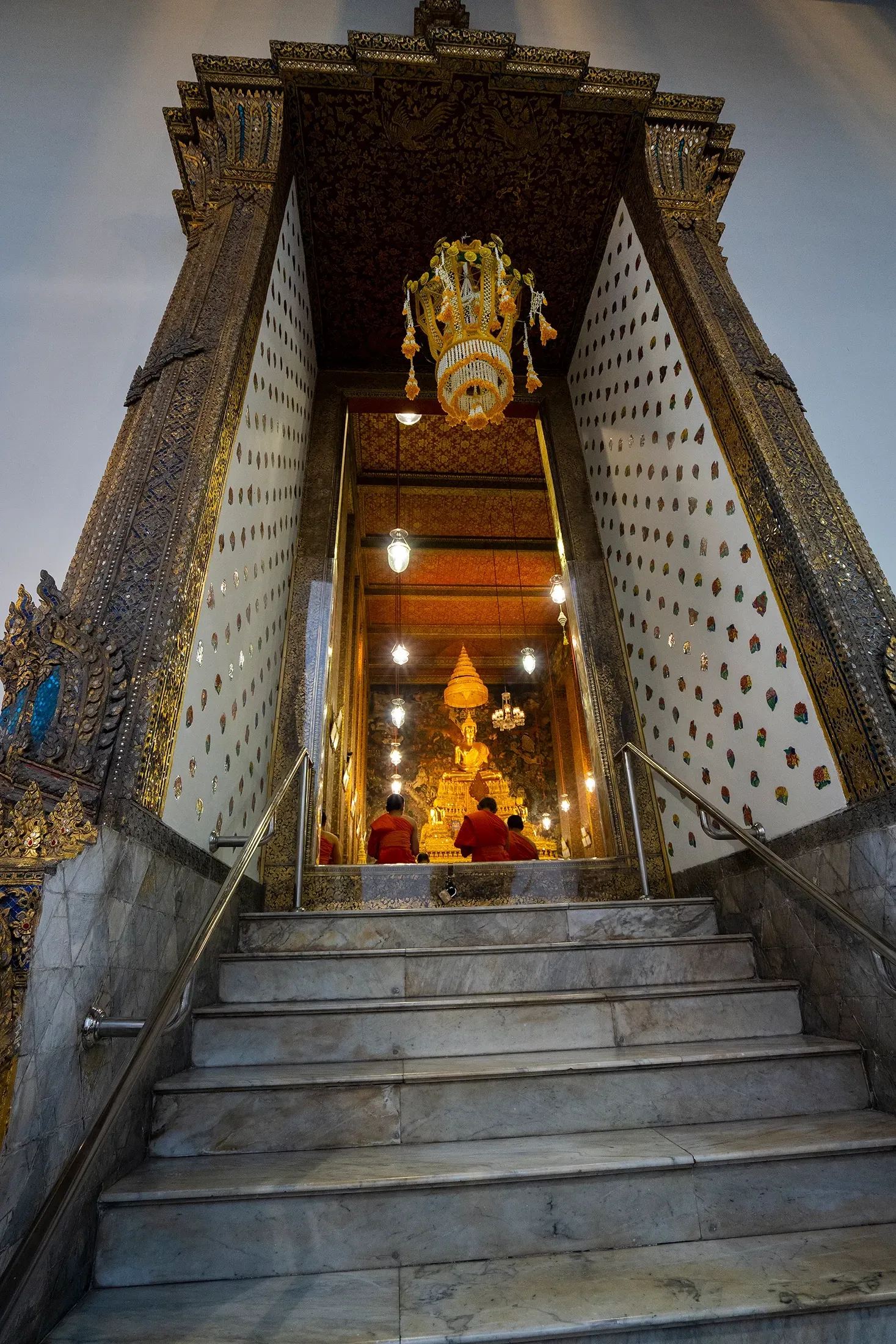
Low light and interiors: Embrace higher ISOs (1600–6400 on modern cameras), brace against walls or pillars, and use wide apertures. Temples, markets, and cafés often prohibit flash — and honestly, ambient light looks better anyway.
Night scenes: Tripod, ISO 100–400, apertures around f/8, exposures from 2–30 seconds. Use a 2-second timer to avoid shake.
Turning Travel Photography Into a Career
Travel photography has historically been harder to monetize than fashion, product, or food photography, even though the shooting conditions are far less controllable. But the paths to income have multiplied.
Traditional revenue came from stock photography, magazine assignments, and commercial projects. With the stock market's decline, today's working travel photographers diversify: leading photo tours to destinations they know intimately, teaching workshops and online courses, blogging and YouTube, brand partnerships with tourism boards and travel companies, selling prints, and taking commercial assignments — architecture and interior shoots, for example — that draw directly on ambient-light skills honed on the road.
The common thread among successful travel photographers is a distinctive portfolio plus an audience. Start building both now: post consistently, develop a recognizable style, and pitch small publications before chasing the big ones.
Ethical Travel Photography
Great travel photography honors its subjects. Ask permission for portraits, especially of children (ask their guardians). Avoid staging "poverty tourism" imagery.
Respect sacred sites, no-photography zones, and drone regulations, which vary widely by country. Consider giving back — share images with the people you photograph, or support the communities you visit. The best travel photographers are remembered as good guests.
Frequently Asked Questions
What is the best camera for travel photography?
A compact mirrorless camera with a versatile 24–70mm equivalent zoom offers the best balance of quality and portability for most travelers. Modern smartphones are a fully valid choice for casual travel shooters.
How do I take better travel photos with my phone?
Shoot during golden hour, tap to set focus and exposure, use gridlines for composition, avoid digital zoom (move closer instead), and edit with apps like Lightroom Mobile or Snapseed.
Do travel photographers make money?
Yes, though rarely from one source. Most combine photo tours, teaching, content creation, print sales, brand partnerships, and commercial assignments.
Is travel photography hard to learn?
The fundamentals — exposure, composition, light — can be learned in weeks. Mastery comes from shooting constantly in varied conditions, which is exactly what travel provides.
Final Thoughts: Your Journey Starts With One Frame
Travel photography rewards curiosity above all else. The gear matters less than showing up early, staying out late, talking to strangers, and paying attention to light. Every trip — even a weekend in your own region — is a chance to practice seeing the world more deliberately.
So charge your batteries, clear your cards, and go make something worth remembering. The world is waiting on the other side of your viewfinder.
Other Posts You Might Like