The Best Viewing Spots, Insider Tips, and Photography Tricks for Alaska's Greatest Sky Show
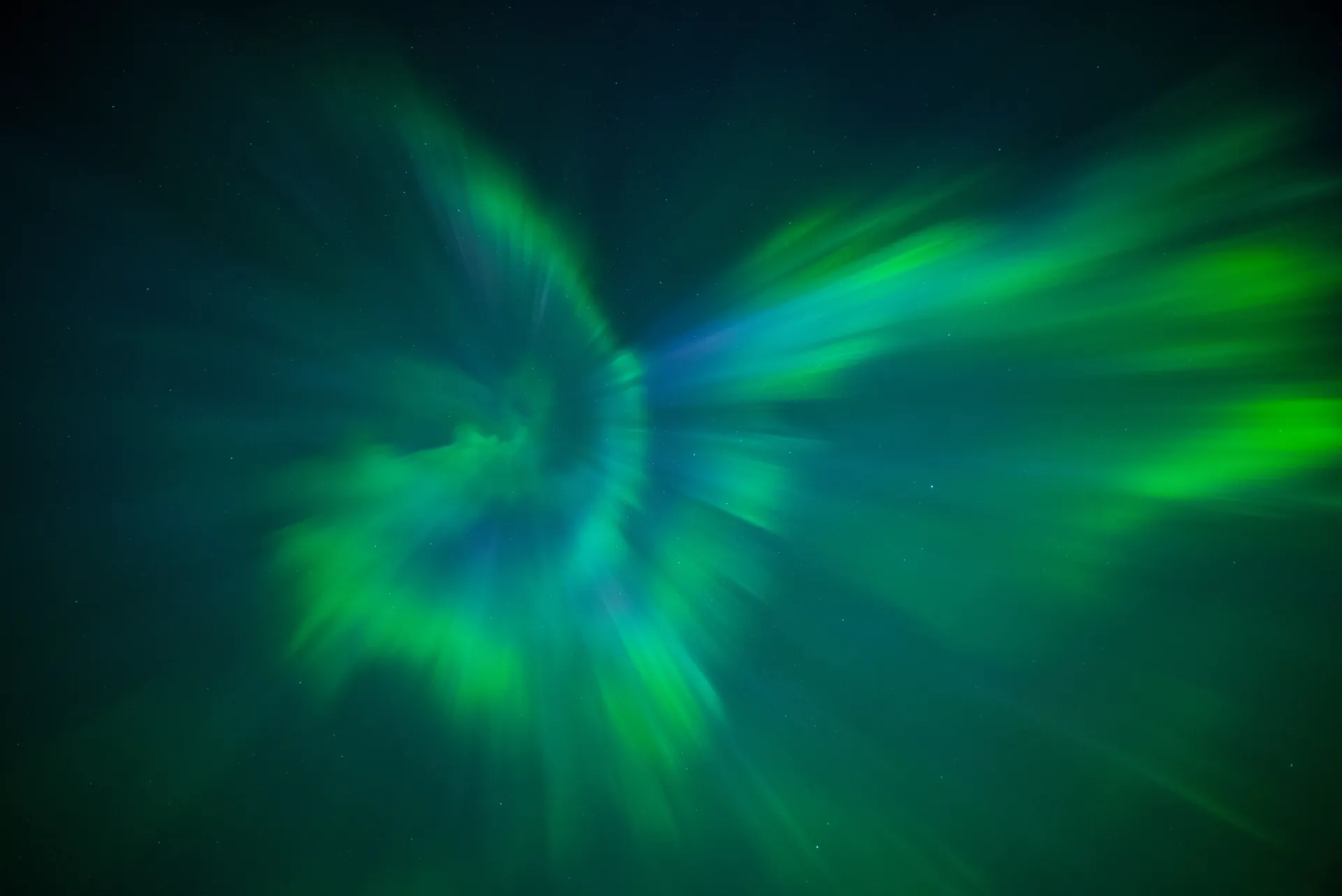
If you've ever dreamed of standing beneath a sky that ripples with green, purple, and pink light, you're not alone. The question I hear more than any other is this: Where in Alaska can you see the aurora borealis?
The short answer might surprise you — almost anywhere in the state, if the conditions are right. The long answer is what this guide is all about, because where you stand, when you look up, and how dark your sky is can make the difference between a faint green smudge and a full-blown celestial fireworks show you'll remember for the rest of your life.
So zip up that parka, grab a thermos of something hot, and let's chase the northern lights across the Last Frontier.
Can You See the Northern Lights in Anchorage?
Yes — and this catches a lot of visitors off guard. Anchorage sits a bit south of the famed "auroral oval," but during the winter season, when solar activity kicks up, the lights absolutely make appearances over Alaska's largest city.
One of my favorite in-town spots is Earthquake Park, right near Ted Stevens Anchorage International Airport. I've personally watched the aurora dance over the Knik Arm from that very spot on cold winter nights. It's a local secret hiding in plain sight — minutes from downtown, with wide-open views to the north and northwest across the water.
Other solid Anchorage-area options include Point Woronzof, the Glenn Alps trailhead above the city in Chugach State Park, and a quick drive out toward Eklutna Lake or up the Glenn Highway toward Palmer.
The catch? Anchorage is a city, and cities glow.
The Number One Trick: Escape the Light Pollution
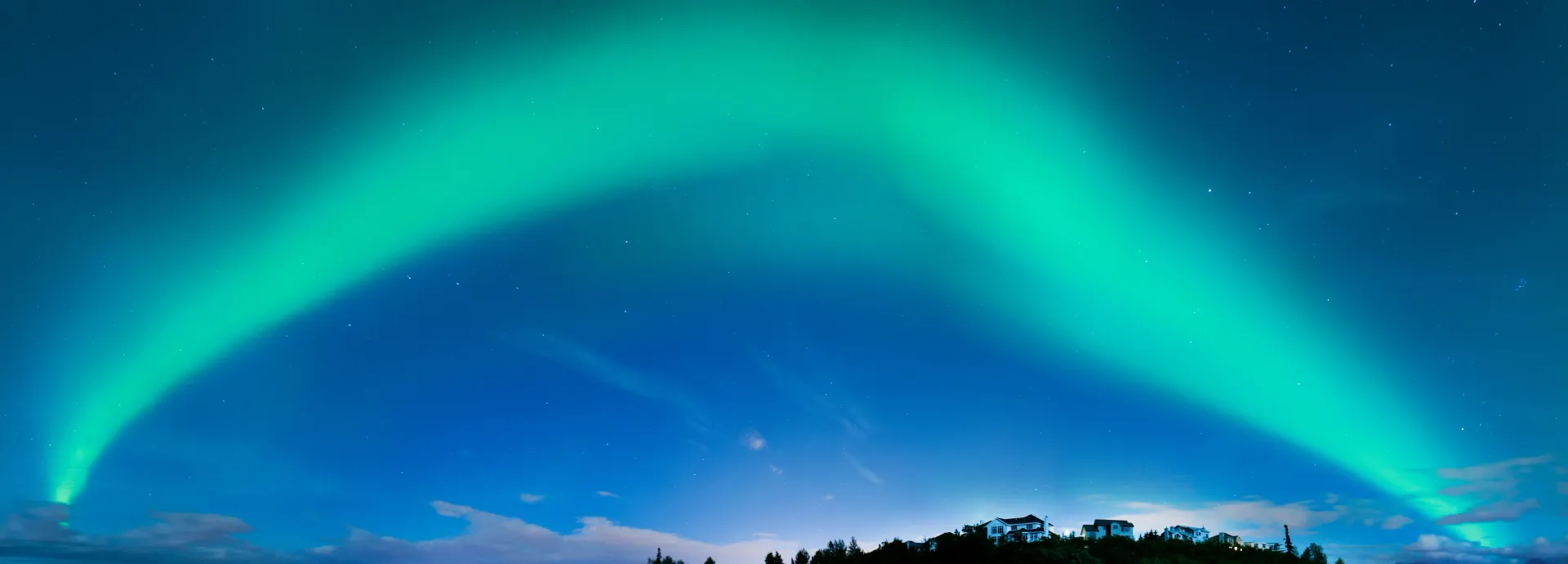
Here's the golden rule of aurora hunting, and it applies whether you're in Anchorage, Fairbanks, or anywhere in between: get away from city lights. Street lamps, parking lots, and the general glow of town wash out the night sky and can turn a spectacular aurora display into something you can barely see.
Even driving fifteen or twenty minutes outside of town — finding a dark pullout, a frozen lake, a quiet trailhead away from the street lights — can transform your experience. The darker your sky, the more color, detail, and movement you'll see overhead. Your eyes need 20–30 minutes to fully adjust to darkness, so once you find your remote spot, put the phone away, let your night vision settle in, and watch the show unfold.
Fairbanks: The Aurora Capital of Alaska
If seeing the northern lights is the main mission of your Alaska trip, point your compass toward Fairbanks. Sitting directly beneath the auroral oval in Alaska's Interior, Fairbanks offers some of the most consistent aurora viewing on the planet. Locals like to say that if you spend three clear nights in Fairbanks during aurora season (roughly late August through mid-April), your odds of catching a display are excellent.
And here's the exciting part — the farther north you go, the more the aurora tends to reveal its full palette. While southern Alaska often sees the classic glowing green bands, Fairbanks and points north frequently deliver the rarer colors: deep reds, vivid pinks, and purples shimmering along the edges of the display. When a strong geomagnetic storm rolls through, the entire sky over the Interior can erupt in color from horizon to horizon.
Top viewing spots around Fairbanks include:
Cleary Summit and Murphy Dome — elevated viewpoints just outside town with sweeping, unobstructed sky.
Chena Lakes Recreation Area — dark skies and beautiful foreground scenery for photographers.
Chena Hot Springs Resort — about 60 miles from Fairbanks, where you can soak in steaming outdoor hot springs while the aurora blazes overhead. It doesn't get more Alaskan than that.
Heading Farther North: Coldfoot, Wiseman, and the Arctic
For the truly adventurous, the road doesn't end at Fairbanks. The Dalton Highway carries hardy travelers north into the Arctic, where tiny outposts like Coldfoot and the historic mining village of Wiseman sit in some of the darkest, most pristine skies in North America. Up here, above the Arctic Circle, aurora displays can be absolutely otherworldly — overhead coronas, curtains of red and pink, and displays so bright they cast shadows on the snow.
Other legendary northern destinations include Utqiaġvik (Barrow) on the Arctic coast and fly-in wilderness lodges scattered across the Brooks Range. These trips take more planning, but they reward you with the kind of aurora experience most people only see in photographs.
Don't Forget: Denali, the Kenai, and Beyond
The beauty of aurora hunting in Alaska is that the lights don't respect boundaries. Strong displays have lit up skies over Talkeetna, the Denali Park area, Palmer and the Matanuska Valley, and even the Kenai Peninsula. If the aurora forecast (check the University of Alaska Fairbanks Geophysical Institute's KP index forecast) is calling for high activity and your local sky is clear and dark, step outside and look north — no matter where in Alaska you happen to be.
Bundle Up: Winter in Alaska Doesn't Play Around
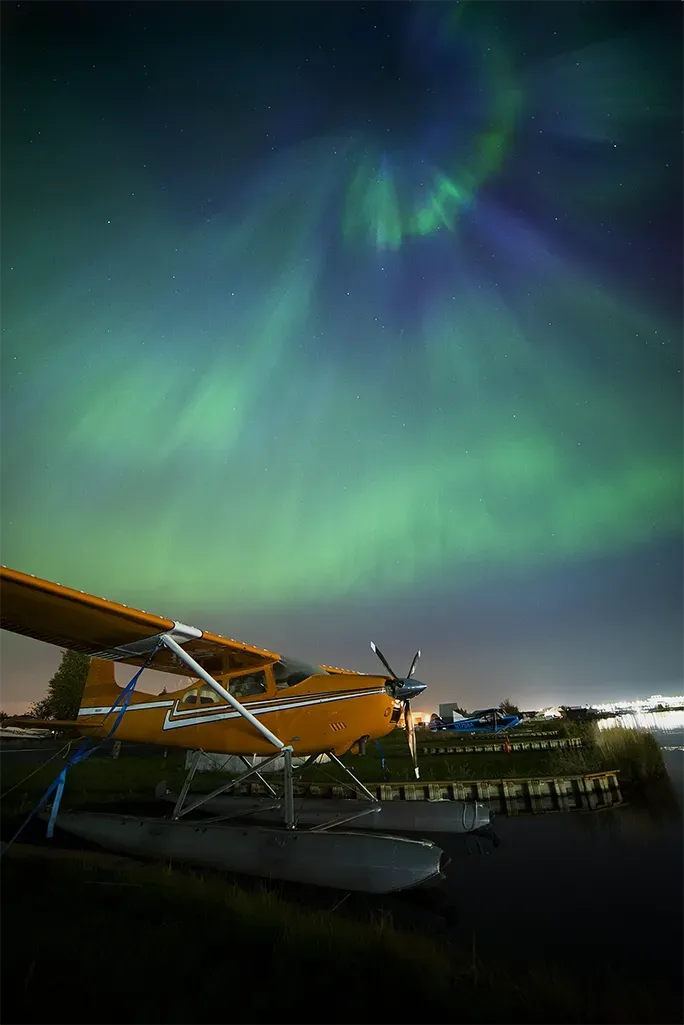
Now for the tough-love portion of this article: Alaska winter nights are cold. Seriously cold. In Fairbanks and the Interior, temperatures of -20°F, -30°F, or even colder are common during prime aurora season, and standing still under the night sky for hours is a very different experience than a brisk winter walk.
Dress like your night depends on it, because it does. Think insulated boots rated for extreme cold, heavy parka, insulated snow pants, layered base layers, a serious hat, mittens over glove liners, and chemical hand and toe warmers stuffed everywhere you can fit them. Bring a thermos of hot coffee or cocoa and never underestimate how quickly the cold creeps in when you're standing motionless staring at the sky.
Here's the beautiful trade-off, though: the colder it gets, the more magical the landscape becomes. When temperatures plummet, moisture in the air freezes onto every tree branch, fence post, and blade of frozen grass, coating the entire world in sparkling hoarfrost. A brutal cold snap turns the Alaskan wilderness into a glittering crystal wonderland — and when the aurora ignites above a frost-covered spruce forest, the scene is almost too stunning to believe.
Photographing the Aurora: Quick Camera Tips
Want to bring the northern lights home with you? A few essentials will get you started:
Use a sturdy tripod. Aurora photography means long exposures, and even the steadiest hands can't hold a camera still for several seconds. Cold-weather tip: tripod legs get painfully cold, so handle them with gloves.
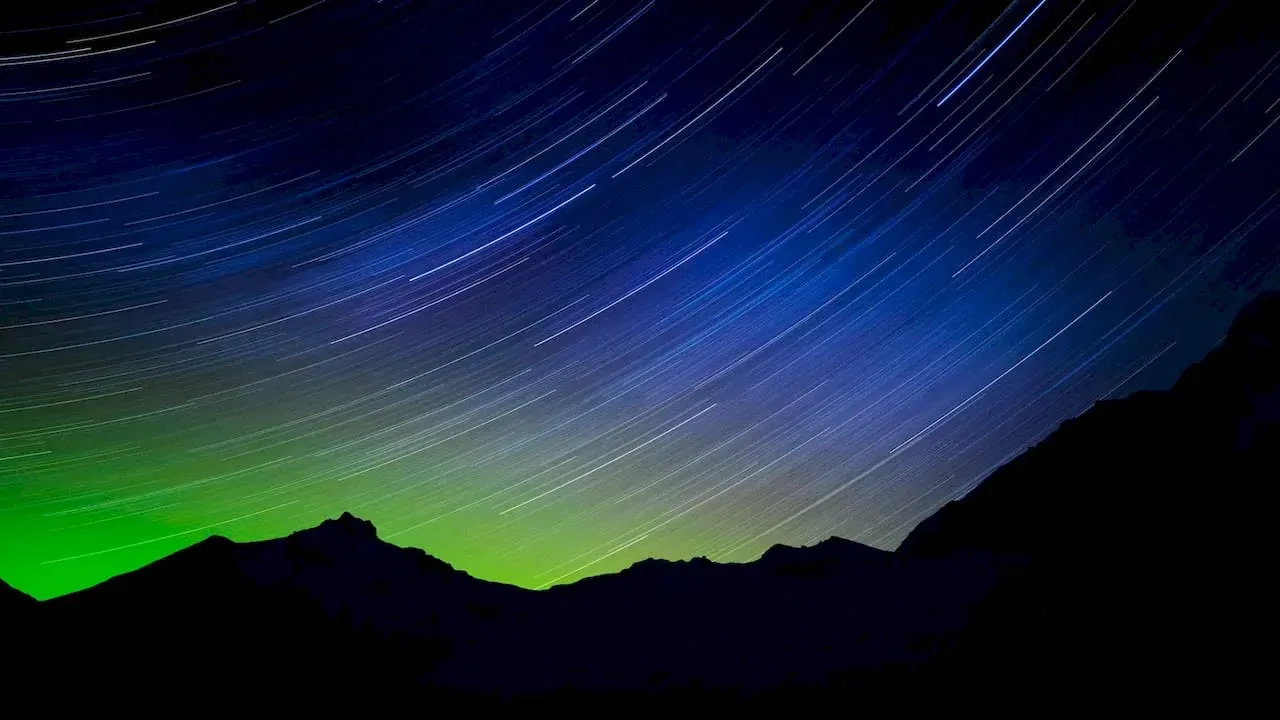
Shoot in manual mode. Start with a wide-angle lens at its widest aperture (f/2.8 or faster is ideal), ISO between 1600 and 3200, and a shutter speed of 5–15 seconds. Faster-moving auroras call for shorter exposures to preserve the detail in those dancing curtains.
Focus manually on infinity. Autofocus struggles in the dark. Pre-focus on a bright star or distant light, then leave it locked.
Protect your batteries. Extreme cold drains batteries at an alarming rate. Keep spares warm in an inside pocket close to your body and rotate them as needed.
Shoot in RAW. You'll thank yourself later when editing those greens, reds, and pinks.
And here's a little teaser for you: I'm currently hard at work writing a complete, in-depth aurora photography guide — covering everything from gear selection and camera settings to composition, forecasting tools, and surviving those long Arctic nights behind the lens. It's coming your way ahead of next winter's aurora season, so stay tuned. Trust me, you won't want to miss it.
Final Thoughts: Your Alaskan Aurora Adventure Awaits
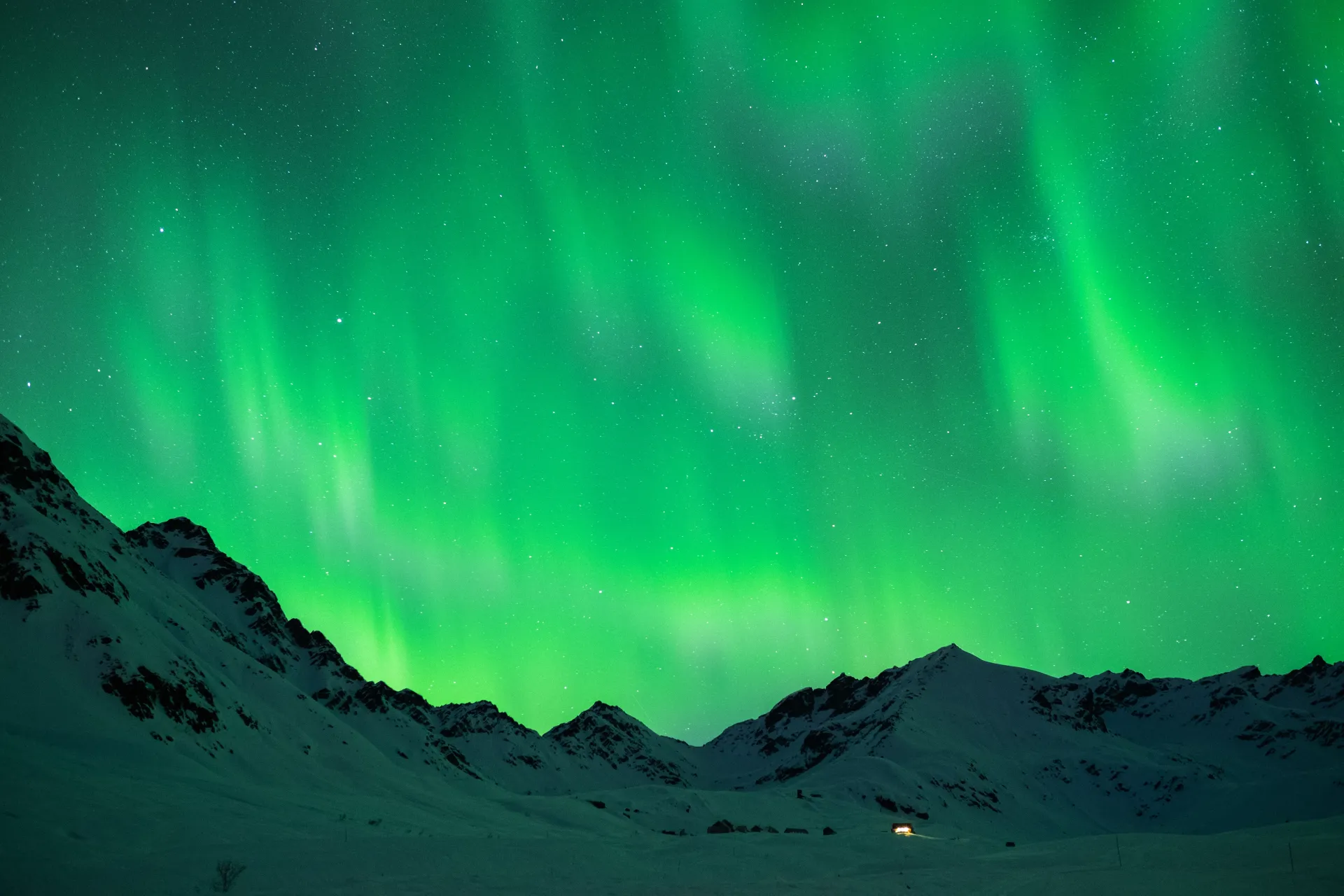
So, where in Alaska can you see the aurora borealis? From a surprise showing over Earthquake Park in Anchorage, to the color-drenched skies above Fairbanks, to the jaw-dropping Arctic displays north of the Dalton Highway — the answer is: all across this incredible state. Find a dark sky far from the street lights, watch the aurora forecast, bundle up like a true Alaskan, and keep your eyes on the northern horizon.
When those first green ribbons start to shimmer and swirl overhead, you'll understand why people travel from all over the world to stand in the Alaskan cold and look up. The aurora borealis isn't just something you see — it's something you feel. And there's no better place on Earth to feel it than right here in Alaska.
Other Posts You Might Like