
Benefits of Guided Adventure Tours: 9 Real Advantages
Guided adventure tours are structured travel experiences led by certified local experts who handle logistics, safety, and access so you can focus entirely on the experience itself. The benefits of guided adventure tours go well beyond convenience. Research shows that structured eco-adventure programs produce a mean wellbeing increase of 12.73 points compared to solo travel control groups. That’s a measurable psychological shift, not just a vibe. From Wilderness First Aid protocols to skip-the-line access at restricted sites, guided tours deliver advantages that no amount of independent planning can fully replicate. Whether you’re a first-time adventurer or a seasoned explorer, understanding what these tours actually offer changes how you travel.
1. Benefits of guided adventure tours start with zero logistics stress
The single biggest win of a guided tour is that someone else handles everything. Transportation, accommodations, activity permits, restaurant reservations — all of it is pre-arranged before you land. Guided tours reduce the hidden costs that come from wasted planning hours and unforeseen logistical errors. That means you’re not spending your first evening in a new country hunting for a working ATM or figuring out which bus goes where.
Pre-arranged itineraries also come with 24/7 support infrastructure. If a flight gets delayed or a trail closes due to weather, your guide adapts the plan. You don’t have to scramble. That kind of backup is genuinely hard to replicate when you’re traveling solo.
- Transportation to and from trailheads, airports, and sites is included
- Accommodations are vetted and booked in advance
- Activity permits and entry fees are handled by the operator
- Meal planning and dietary needs are coordinated ahead of time
Pro Tip: Ask your tour operator for a full cost breakdown before booking. Guided tours often appear more expensive upfront, but when you factor in permits, transfers, and accommodation, the total is frequently lower than DIY alternatives.
2. Local expertise gives you access that maps can’t provide
A great guide doesn’t just know where to go. They know when to go, which path avoids the crowds, and which local family runs the best lunch spot three kilometers off the main trail. Guides optimize timing and access in ways that independent travelers simply can’t match, regardless of how much research they do beforehand. That insider knowledge is the difference between a good trip and an unforgettable one.
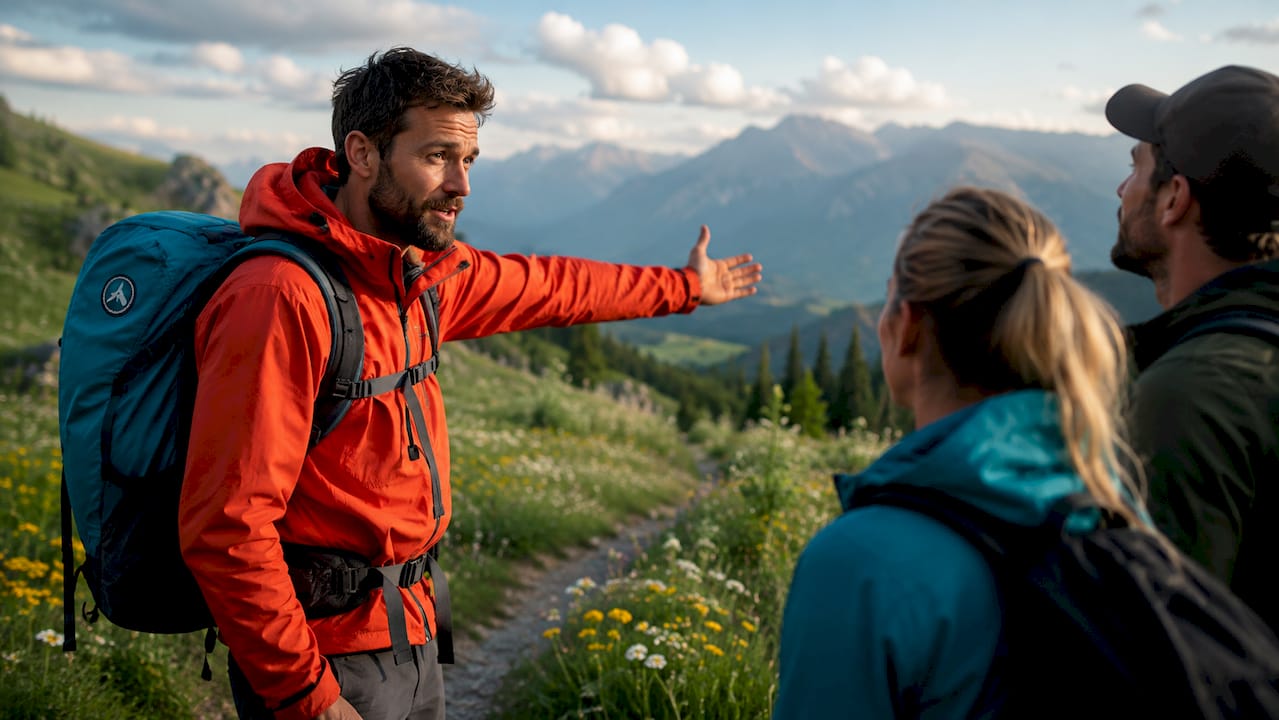
Guides also adapt in real time. If a popular viewpoint is packed at 10:00 AM, a skilled guide reroutes to a quieter alternative and circles back later. Dynamic itinerary adjustments based on weather, crowd density, and unexpected closures are standard practice for experienced operators. You get a better experience without even knowing what you missed.
| Access type | Independent traveler | Guided tour |
|---|---|---|
| Popular landmark entry | Standard queue, peak hours | Skip-the-line or off-peak access |
| Restricted natural areas | Rarely accessible | Often included via operator permits |
| Local cultural events | Requires advance research | Pre-arranged through local partnerships |
| Hidden local spots | Depends on personal research | Curated by guide’s firsthand knowledge |
3. Safety protocols that actually protect you in the field
Guided adventure tours operate with formal safety infrastructure. Wilderness First Aid certification and 24/7 emergency response teams are standard requirements for reputable operators running hiking, climbing, or water-based tours. That level of preparation matters most when you’re far from a hospital or cell signal.
Safety protocols also free you to engage more deeply with the experience. When you know someone trained in emergency response is watching the group, you stop second-guessing every step on a narrow ridge. That mental shift is real, and it makes the adventure more enjoyable, not less.
- Guides carry first aid kits calibrated for the specific terrain
- Emergency evacuation plans are established before departure
- Group size limits reduce risk and improve guide-to-traveler ratios
- Weather monitoring and real-time rerouting are standard practice
Pro Tip: For extreme activities like glacier hiking, whitewater rafting, or high-altitude trekking, always verify that your guide holds a current Wilderness First Aid or equivalent certification. Reputable operators list this information openly.
4. Exclusive access that independent travelers rarely get
Skip-the-line privileges and private experiences offered through guided tours are rarely accessible to independent travelers, regardless of how early they wake up or how much they plan. Operators build long-term relationships with local venues, national parks, and cultural sites that translate into access you simply can’t buy on your own. Think private sunrise entry to a UNESCO site or a cooking session with a local family that isn’t listed anywhere online.
This kind of exclusive access is one of the highlights of adventure tours that travelers remember for years. It’s not about luxury. It’s about depth. Getting behind the velvet rope of a destination, literally or figuratively, changes how you understand a place. Traveling Portrait covers exactly these kinds of unique local destinations that guided access makes possible.
5. Psychological wellbeing improves measurably on guided tours
Adventure tourism functions as a therapeutic tool. Research across Ryff’s six wellbeing dimensions shows significant improvements in self-acceptance, life purpose, and environmental mastery after guided adventure experiences. These aren’t soft benefits. They’re documented psychological outcomes tied to structured, nature-based group travel.
The mechanism is straightforward. Guided experiences satisfy both hedonic wellbeing (pleasure and enjoyment) and eudaimonic wellbeing (meaning and purpose). When you’re not stressed about logistics, you’re present. When you’re present, you connect more deeply with the environment and the people around you. That connection is where the real psychological benefit lives.
- Reduced anxiety from offloaded logistics and expert support
- Increased sense of purpose through structured challenge and achievement
- Improved self-acceptance through shared vulnerability in group settings
- Greater environmental connection from guided nature immersion
- Enhanced life satisfaction from completing meaningful experiences
Travelers who want to understand the full scope of these benefits can read more about eco-adventure travel benefits and how they connect to mental health outcomes.
6. Social connection and community for solo travelers
Solo travelers on guided tours don’t stay solo for long. Guided tours create an instant community effect that reduces social isolation and increases overall enjoyment. You arrive as a stranger and within 48 hours you’re sharing meals, swapping stories, and navigating a canyon with people who feel like old friends. That social dynamic is one of the most underrated advantages of guided tours.
Group travel also provides emotional support during challenging moments. When a hike gets harder than expected or altitude hits someone unexpectedly, the group rallies. That shared experience builds bonds that outlast the trip itself. Many travelers report that the friendships formed on guided tours are among the most meaningful they’ve made as adults.
The benefits of group travel extend beyond companionship. Shared experiences create collective memories that reinforce the value of the trip long after you’re home.
7. Value for money when you count everything honestly
Guided tours look expensive until you count what’s actually included. Independent travel carries hidden costs from logistical errors, wasted time, and unforeseen expenses that rarely appear in initial budget estimates. A missed connection, a wrong-turn taxi, or a sold-out permit can cost more than the price difference between a guided and independent trip.
The value calculation also includes time. Planning a two-week adventure itinerary from scratch takes dozens of hours. A guided tour converts that time into actual experience. You’re not researching permit windows at midnight. You’re already there.
| Cost category | Perceived independent cost | Actual guided tour value |
|---|---|---|
| Upfront price | Lower | Higher but all-inclusive |
| Planning time | “Free” | Saved entirely |
| Permit and access fees | Variable, often missed | Included in operator price |
| Emergency contingency | Unknown | Covered by safety protocols |
| Experience quality | Depends on research | Consistently high via local expertise |
8. Deeper cultural immersion through guide-led storytelling
A guide who grew up in a region tells a different story than a travel blog. Local guides carry cultural and historical knowledge that no guidebook captures fully. They know which temple has a ceremony on Tuesday mornings, which neighborhood market opens before dawn, and which elder in the village is willing to share traditional craft techniques with curious visitors. That depth of context transforms sightseeing into genuine cultural engagement.
This kind of guided adventure tour benefit is especially powerful in destinations with complex histories or living indigenous traditions. A guide doesn’t just point at things. They interpret, contextualize, and connect you to the living culture of a place. That’s the difference between visiting a destination and actually understanding it.
9. Psychological lightness that changes how you experience travel
Offloading logistics enhances traveler presence and engagement during adventures. When you’re not mentally tracking the next bus or worrying about whether your accommodation is legit, your attention goes fully to the experience in front of you. Travelers consistently describe this as a kind of psychological lightness that makes guided tours feel more immersive than independent trips, even when the destinations are identical.
This presence effect compounds over a multi-day tour. By day three, you’ve fully surrendered the planner role. You wake up, you show up, and you experience. That’s a rare mental state for most travelers, and guided tours are one of the most reliable ways to reach it.
Key takeaways
Guided adventure tours deliver measurable benefits across safety, wellbeing, access, and social connection that independent travel cannot consistently replicate.
| Point | Details |
|---|---|
| Wellbeing improvement | Structured adventure programs produce a mean 12.73-point increase in psychological wellbeing scores. |
| Safety infrastructure | Reputable operators require Wilderness First Aid certification and maintain 24/7 emergency response. |
| Exclusive access | Guided tours unlock skip-the-line entry and restricted sites unavailable to independent travelers. |
| Social connection | Built-in community reduces solo traveler isolation and creates lasting group bonds. |
| True value | All-inclusive pricing eliminates hidden costs from planning errors and logistical mishaps. |
Why I think guided tours get undersold to experienced travelers
People assume guided tours are for beginners. That’s the reputation, and it’s mostly wrong. I’ve met seasoned adventurers on guided treks in Patagonia and Iceland who chose the guided format specifically because they wanted to go deeper, not because they couldn’t figure it out themselves. The psychological freedom of not managing logistics is genuinely addictive once you’ve experienced it.
The moment that shifted my thinking was a private sunrise access to a site that wasn’t open to the public until two hours later. Our guide had a relationship with the site manager. We had the whole place to ourselves for 45 minutes. No amount of independent planning gets you that. That’s the kind of exclusive experience that makes you reconsider the whole “I prefer to travel solo” identity.
My honest recommendation for first-time adventurers and solo travelers is to try at least one fully guided experience before deciding it’s not for you. The social bonds form faster than you’d expect, and the mental space you get back is worth more than the price difference. For experienced travelers, guided tours in technically demanding environments like high-altitude trekking or remote wilderness areas are simply the smarter choice. The safety margin alone justifies it.
Balance matters, though. Guided tours work best when you mix them with free exploration time. The best operators build that in. If yours doesn’t, ask for it.
— Justin Frazier
What Traveling Portrait offers adventure travelers
Traveling Portrait covers the destinations, stories, and practical knowledge that make guided adventure travel worth doing right. From curated guides on adventure travel fundamentals to firsthand accounts of immersive experiences across Asia, Europe, and North America, the blog connects you with the kind of depth that changes how you plan and experience trips.
Whether you’re researching your first guided hiking tour or looking for expert-led experiences in a new region, Traveling Portrait’s adventure travel planning resources give you the context and confidence to choose well. The guides are detailed, the photography is real, and the recommendations come from people who’ve actually been there.
FAQ
What are guided adventure tours?
Guided adventure tours are structured travel experiences led by certified local experts who manage logistics, safety, and access for a group of travelers. They typically include transportation, accommodations, permits, and curated activities.
Are guided tours worth the extra cost?
Guided tours deliver higher overall value than independent travel when you factor in planning time, permit fees, safety infrastructure, and exclusive access. Hidden costs in DIY travel frequently close the price gap.
How do guided tours improve mental health?
Research shows that structured adventure programs produce significant improvements across six psychological wellbeing dimensions, including self-acceptance, life purpose, and environmental mastery. The mean wellbeing score increase in guided eco-adventure programs is 12.73 points.
What safety standards should I look for in a guided tour?
Look for operators whose guides hold Wilderness First Aid certification and who maintain documented emergency response protocols. Reputable operators list these credentials openly on their websites.
Are guided tours good for solo travelers?
Guided tours are one of the best options for solo travelers. They create an instant community effect that reduces social isolation, and the shared experience builds genuine friendships that often extend well beyond the trip itself.
Recommended
Other Posts You Might Like