What Is an Art Festival Abroad? Your Travel Guide
An art festival abroad is a curated, multi-genre cultural event held over days to a month, featuring visual arts, performance, film, and literature under one shared experience. These aren’t your average tourist stops. They’re living, breathing gatherings where local and international artists collide, and where you leave feeling like you actually understood a place rather than just passed through it. With over 300 such events taking place globally across Europe, Asia, and the Americas, the scale is genuinely staggering. The Venice Biennale alone draws around 600,000 visitors every two years. If you’ve been wondering what is an art festival abroad and whether it’s worth planning a trip around, the short answer is yes, absolutely.
What is an art festival abroad, exactly?
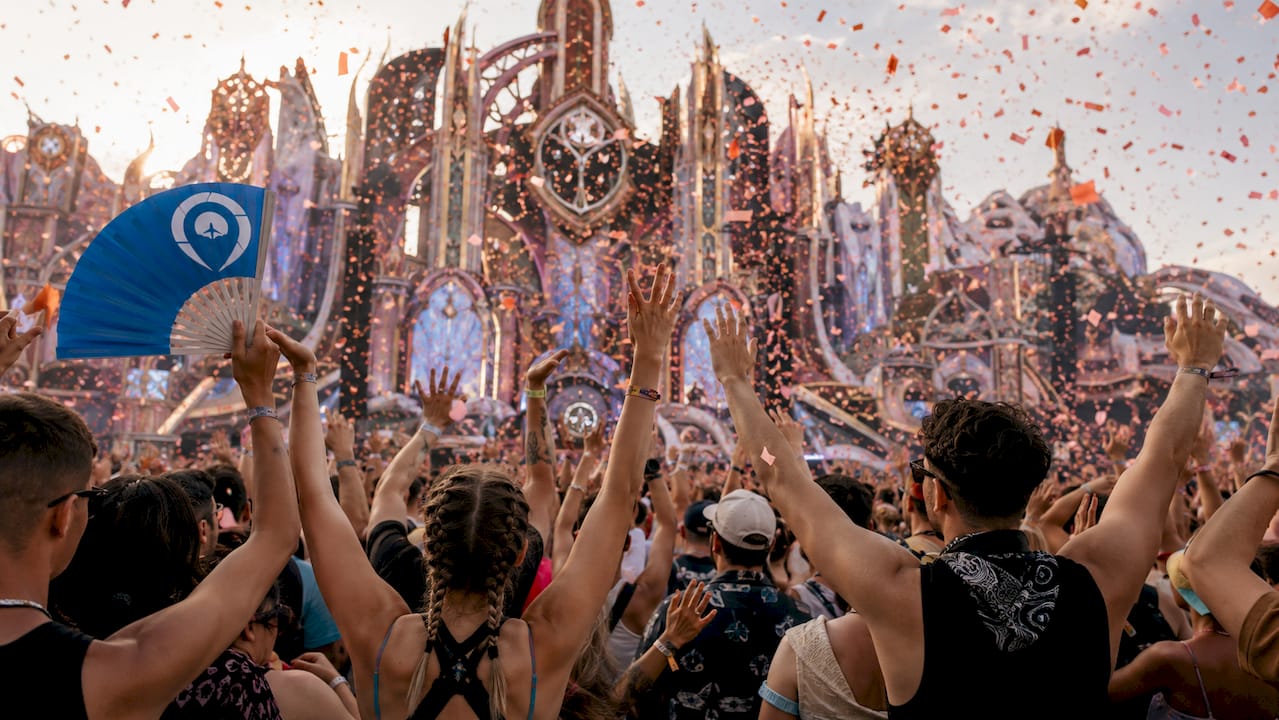
An art festival abroad is the recognized industry term for what travelers often call a “cultural festival abroad” or an “international arts event.” The core definition stays consistent: a structured, time-bound gathering that presents multiple art forms to a public audience, often in a specific city or region with deep cultural ties to the work being shown. What separates these events from a museum visit is the atmosphere. You’re not walking through quiet galleries. You’re surrounded by artists, curators, performers, and fellow travelers who all showed up for the same reason. The cultural significance of these events goes far beyond the art on display. They shape how cities present themselves to the world and how communities understand their own identity.
What types of art festivals can you find abroad?
Not all international art events are built the same, and knowing the differences saves you a lot of confusion when you’re booking flights.
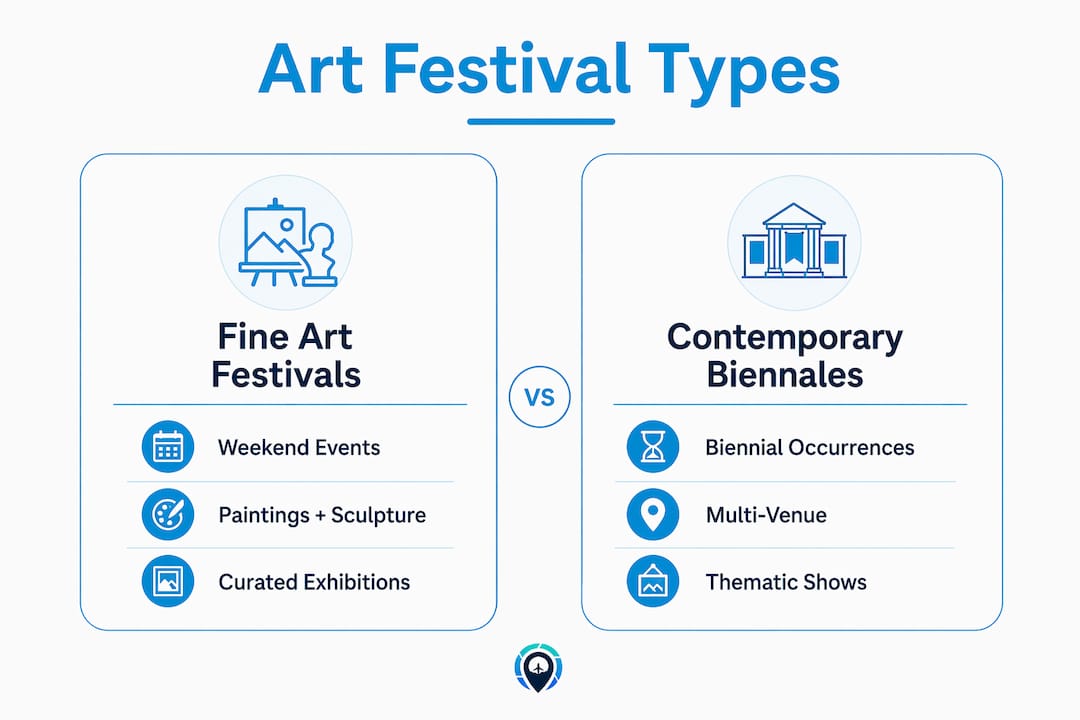
Fine Art Festivals focus on curated exhibitions of painting, sculpture, and mixed media. They tend to run over a weekend or a few days and attract serious collectors alongside curious travelers. The Lake Oswego Festival of the Arts in Oregon is a strong domestic reference point: it features over 250 artists and draws between 17,000 and 25,000 attendees over three days. Scale that model internationally and you get sprawling events across entire city districts.
Contemporary Biennales operate on a different level entirely. A biennale runs every two years, uses multiple city venues, and prioritizes cultural discourse over commercial exchange. The Venice Biennale is the gold standard. It hosts artists from 75+ countries across more than 7,000 square meters of exhibition space. That’s not a festival you do in an afternoon. That’s a multi-day commitment, and it rewards every hour you put in.
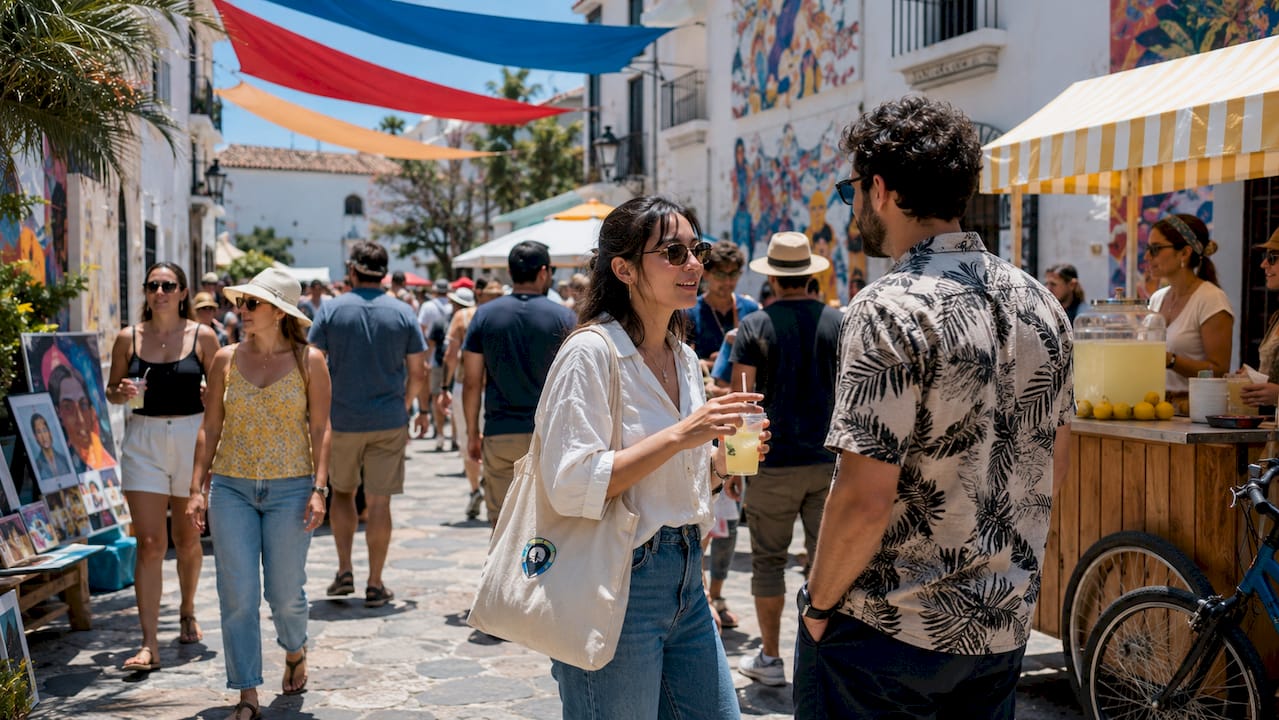
Street and Public Art Festivals are the most accessible format. No tickets, no queues, no dress code. You wander through urban spaces where the art is literally built into the walls, sidewalks, and public squares around you. These events often blur the line between art and daily life, which is exactly the point.
Pro Tip: Biennales and art fairs look similar on the surface, but they serve completely different purposes. If you want to buy art, go to a fair. If you want to understand global artistic movements, go to a biennale.
How do international art festivals create unique cultural experiences?
This is where attending art festivals abroad gets genuinely exciting. The best international events don’t just display art. They use the environment itself as part of the work.
Site-specific curation integrates natural and cultural landmarks directly into the festival experience. Sweden’s Island of Light and Ghana’s Chale Wote Street Art Festival are strong examples. At Chale Wote, the streets of Accra become the canvas, and visitors with cameras and openness to engage often find the most fulfilling moments in community-driven performances they never saw on any schedule. You can’t replicate that in a white-walled gallery back home.
Coachella’s art program offers another angle on this. The festival’s curators seek artists who shape immersive landscapes, treating installations as landmarks with multiple viewing perspectives rather than static objects. The goal is transformation of space, not decoration of it. That philosophy shows up in the best international art festivals too.
Here’s what makes the cultural experience genuinely different from regular sightseeing:
- Collateral events run alongside major festivals as unofficial exhibitions, panels, and pop-up shows. Checking local arts listings weeks before you arrive gives you access to less crowded, more authentic encounters that most tourists miss entirely.
- Spontaneous performances appear without warning. Street musicians, impromptu dance pieces, and pop-up installations reward travelers who aren’t glued to a fixed itinerary.
- Community engagement is built into the format at many festivals. Artists want to talk. Locals want to share. The conversation is part of the art.
Pro Tip: Leave at least one full afternoon completely unscheduled. The best art festival moments rarely appear on the official program.
Practical tips for attending art festivals abroad
Planning matters more than most travelers expect. Here’s how to set yourself up well before you even board the plane.
- Budget realistically. Many festivals offer free access to public art with paid tickets for specific workshops, talks, or performances. Build your budget in layers: travel and accommodation first, then a separate fund for ticketed events, and a third for spontaneous spending on local food and unexpected experiences.
- Pack the right gear. Comfortable walking shoes are non-negotiable. Multi-venue festivals cover serious ground. A mobile power bank keeps your phone alive for maps, event apps, and photography. Check out Traveling Portrait’s camera bag essentials if you plan to document the experience properly.
- Arrive early each day. Art and literary festivals front-load their best programming. Workshops, artist talks, and hands-on sessions happen during the day. Evening events draw bigger crowds and longer queues.
- Download the official event app. Most major international festivals publish digital maps and real-time schedules. Use them to plan your morning, then ignore them by afternoon.
- Explore beyond the official venues. Local arts listings, neighborhood galleries, and community boards often point to collateral events that run parallel to the main festival. These are frequently free, less crowded, and more personal.
- Research the region’s festival calendar. Some of the best lesser-known global festivals overlap with major events, giving you two experiences for the price of one trip.
For multi-venue festivals like the Venice Biennale, build in at least three to four days. Trying to see everything in one day is genuinely stressful and you’ll end up seeing nothing properly.
Where are the most popular art festival regions abroad?
Europe remains the dominant hub for top international art events. The Venice Biennale in Italy is the most recognized biennale in the world. Belgium’s Kunstenfestivaldesarts in Brussels mixes theater, dance, and visual art across the city every spring. Malta’s arts festival draws regional and international artists to a compact island setting that makes the whole experience feel intimate despite its global reach. Traveling Portrait’s Europe destination guide covers several of these events in detail if you want to plan a broader regional trip.
Asia’s festival scene has grown significantly. South Korea, Japan, and India all host major contemporary art events that attract international attention. The Gwangju Biennale in South Korea is one of Asia’s most respected platforms for contemporary art and cultural dialogue.
The Americas contribute strong regional festivals too. The Columbus Arts Festival spans multiple stages and zones over three days, including music, theater, and workshops, making it a useful model for understanding how multi-genre events are structured. In Latin America, São Paulo and Buenos Aires both host biennales that draw serious international participation.
A few standout events worth knowing:
- Venice Biennale (Italy): The world’s oldest and most prestigious contemporary art biennale
- Gwangju Biennale (South Korea): Asia’s leading platform for contemporary art discourse
- Chale Wote Street Art Festival (Ghana): Africa’s most celebrated community-driven public art event
- Kunstenfestivaldesarts (Belgium): A multidisciplinary festival blending performance and visual art
Key Takeaways
An art festival abroad is a curated, multi-genre cultural event that rewards travelers who prepare well, stay flexible, and engage directly with artists and local communities.
| Point | Details |
|---|---|
| Core definition | An art festival abroad is a structured, multi-genre cultural event held over days to months. |
| Know the format | Biennales, fine art festivals, and street art events each offer a distinct visitor experience. |
| Immersion is the point | Site-specific curation and collateral events create encounters no museum visit can replicate. |
| Prepare practically | Budget in layers, pack walking shoes and a power bank, and arrive early for workshops. |
| Europe leads, Asia grows | Venice and Brussels anchor the European scene; Gwangju and others are rising globally. |
Why I think most travelers underestimate art festivals abroad
I’ve been to festivals where I walked in with a packed itinerary and left feeling like I missed everything that mattered. The schedule was fine. The art was great. But I was moving through it like a checklist, not a human being. The shift that changed everything for me was treating the collateral events as the main event. The unofficial exhibitions, the side-street performances, the artist who set up a table outside a café and just started talking. That’s where the real festival lives.
The trend I’m watching closely right now is the move toward community-embedded festivals. Events like Chale Wote in Ghana aren’t importing art into a neutral space. They’re building the festival from the neighborhood outward. That model produces something you genuinely can’t find anywhere else. I think the next decade of international art festivals will look a lot more like that and a lot less like the white-cube biennale format that dominated the 20th century.
My honest advice: go to one festival with zero agenda for at least one full day. No map, no schedule, no must-sees. Just walk. You’ll find something that sticks with you longer than any curated highlight reel.
— Justin Frazier
Plan your next art festival trip with Traveling Portrait
Traveling Portrait covers the full picture of adventure travel, including the cultural events that make a destination worth visiting in the first place.
Whether you’re eyeing a biennale in Europe or a street art festival in Asia, solid preparation makes the difference between a good trip and an unforgettable one. Traveling Portrait’s adventure travel guide breaks down how to approach immersive cultural trips from the ground up. If you’re drawn to Asia’s growing festival scene, the Asia destinations page is a great starting point for planning. And if you want to document what you see properly, the travel photography workshop gives you the skills to capture art festivals the way they deserve to be captured.
FAQ
What is an art festival abroad?
An art festival abroad is a curated, multi-genre cultural event held internationally over days to months, featuring visual arts, performance, film, and literature. Events like the Venice Biennale draw around 600,000 visitors biennially and represent the global scale of this format.
How is a biennale different from an art fair?
A biennale focuses on cultural discourse and thematic exhibitions across multiple city venues, while an art fair centers on commercial sales in a booth-based format. The Venice Biennale hosts artists from 75+ countries and is the defining example of the biennale model.
What should I bring to an art festival abroad?
Comfortable walking shoes, a mobile power bank, and a downloaded event app are the three non-negotiables. Many multi-venue festivals cover significant ground across a city, so physical preparation matters as much as cultural preparation.
Are art festivals abroad expensive to attend?
Many festivals offer free access to public art installations, with paid tickets reserved for specific workshops, talks, or performances. Budgeting in layers, covering travel and accommodation first, then ticketed events, helps you manage costs without missing key experiences.
Which regions host the best international art festivals?
Europe leads with events like the Venice Biennale and Kunstenfestivaldesarts in Brussels. Asia’s scene is growing fast, with South Korea’s Gwangju Biennale among the most respected. Africa’s Chale Wote Street Art Festival in Ghana is one of the most community-driven and immersive events in the world.
Recommended
Other Posts You Might Like