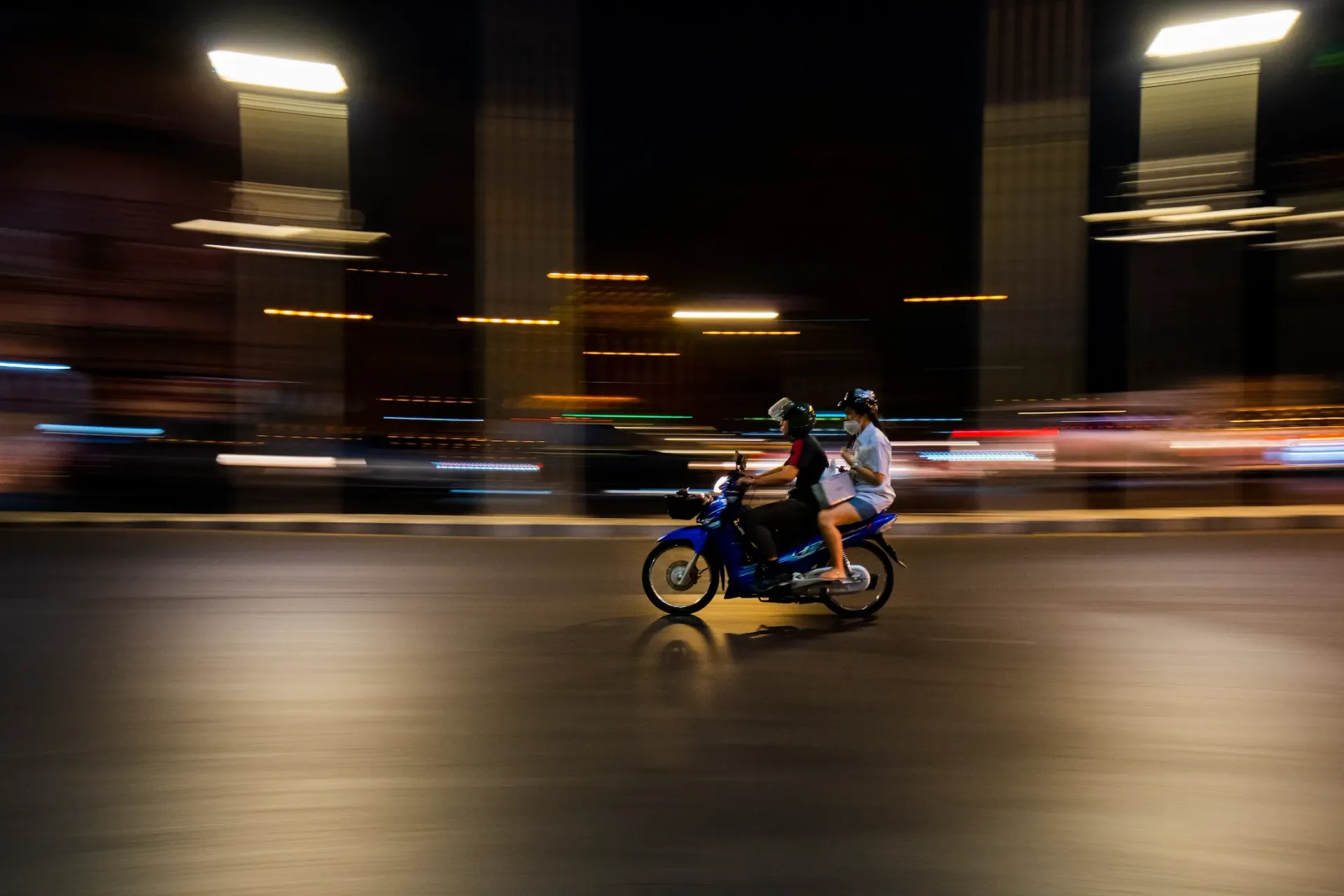
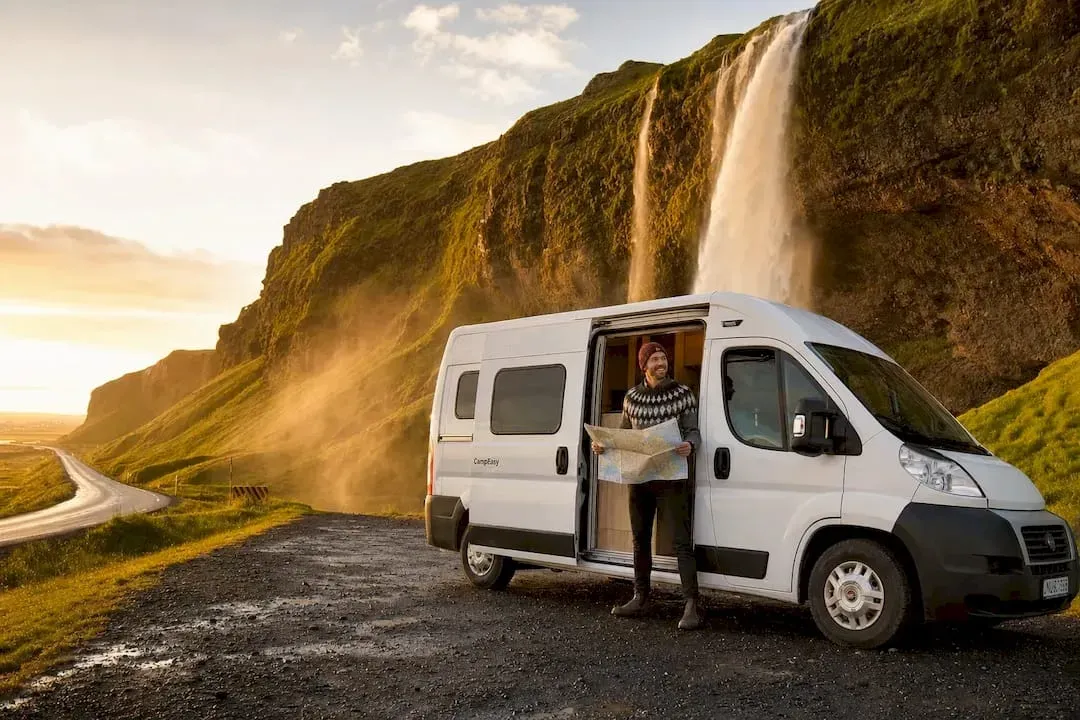
There is a moment, somewhere around midnight on the Ring Road, when the sky turns the color of molten copper, and you realize you have not seen another human in an hour. Steam drifts off a distant geothermal field.
A lone Arctic fox trots across the road and vanishes into a lava field cloaked in electric-green moss. And you — you are parked at the edge of it all, kettle on, camera ready, sleeping exactly where the adventure is.
That is the magic of exploring Iceland by camper van, and it is why learning how to find the best camper van in Iceland is the single most important decision you'll make before touching down in the Land of Fire and Ice.
Iceland doesn't reward the timid or the over-planned. It rewards the flexible — the travelers who can chase a break in the weather, wake at the foot of a thundering waterfall before the tour buses arrive, and rewrite the itinerary the moment the northern lights flicker to life.
A camper van is your mobile base camp for all of it. But not all vans are created equal, and the wrong insurance package (or the wrong drivetrain on the wrong road) can turn the trip of a lifetime into an expensive lesson. Here's everything you need to know.
Why a Camper Van Is the Ultimate Way to See Iceland
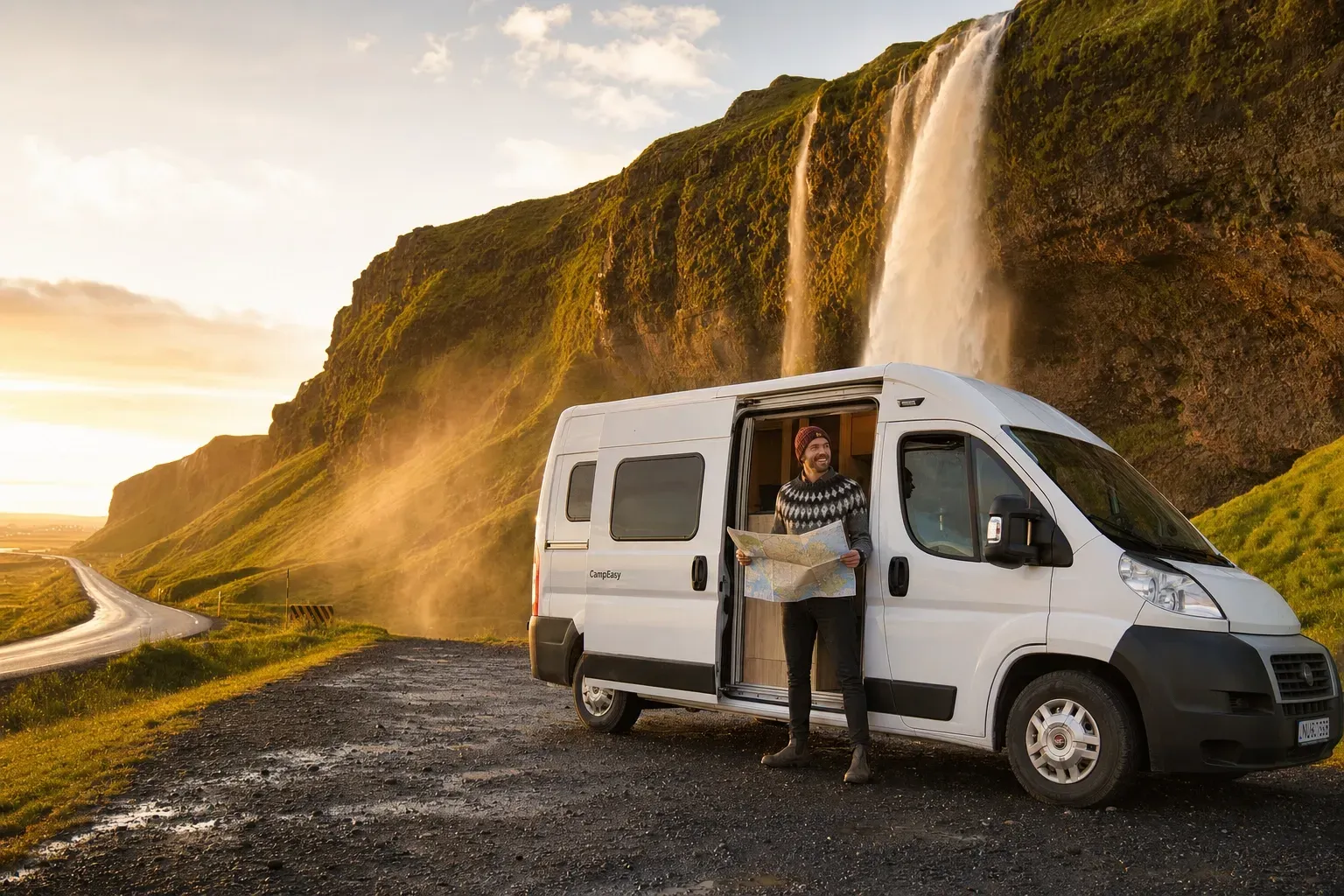
Let's start with the "why." Iceland is a country built for the camera and made for the open road — black volcanic beaches, glacier tongues glittering in the sun, rhyolite mountains streaked in reds and yellows, and braided rivers threading across the highlands toward the sea. The catch is that the best of it is spread out, remote, and gloriously unpredictable.
Hotels lock you into check-in times and fixed routes. A camper van hands you the keys to spontaneity. You sleep where you shoot. You chase clear skies instead of praying for them. Not only that, but you wake up to puffins wheeling over sea cliffs, seals lounging on black sand, and reindeer grazing the eastern fjords.
For photographers and adventurers especially, that freedom is everything — it's the difference between seeing Iceland and truly living it. (If you want the full road-trip story, see my guide to renting a camper van for the Ring Road.)
How to Find the Best Camper Van in Iceland: Start With How You Travel
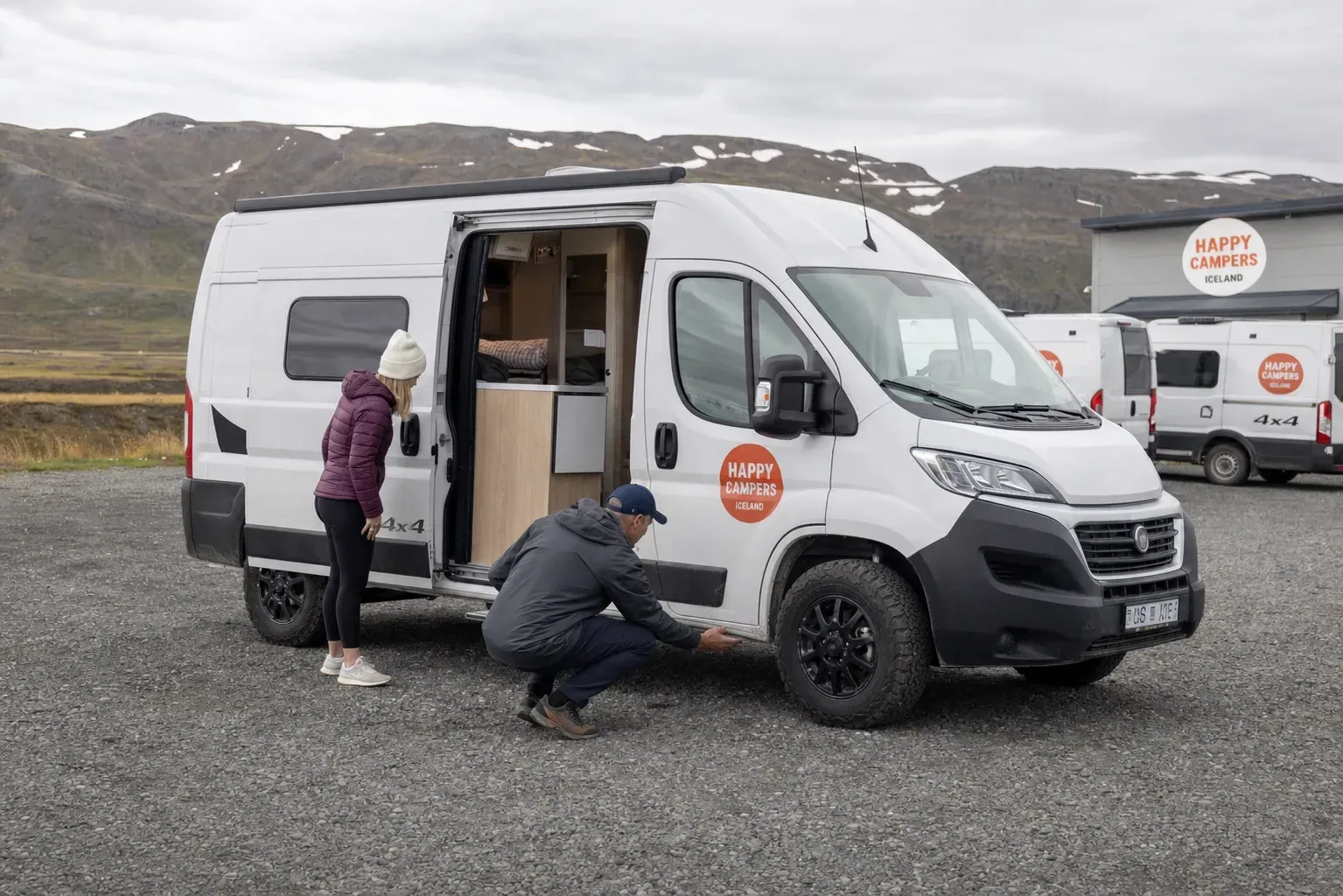
Before you compare rental companies, be honest about the trip you actually want. The best camper van in Iceland isn't the biggest, the cheapest, or the flashiest — it's the one that matches your route, your season, and your comfort threshold. Ask yourself three questions:
1. When are you going? Summer travelers get endless daylight and (mostly) open roads. Winter travelers need heaters that run all night, thicker insulation, and serious respect for the weather. A van that's perfect in July can be miserable in February.
2. How far off the beaten path do you want to go? Sticking to the paved Ring Road and the Golden Circle? A comfortable 2WD camper will serve you beautifully. Dreaming of the interior highlands, Landmannalaugar, or Þórsmörk? You'll need a 4x4 — more on that below, because this is where most travelers get it wrong.
3. How much comfort do you need? Two-person budget campers keep costs down and are nimble on narrow roads. Larger vans and motorhomes add standing room, kitchens, and sometimes bathrooms — luxury that's worth every króna on a two-week trip, and overkill on a quick weekend.
Nail those three answers and you've already narrowed the field dramatically.

What to Look for in the Van Itself
Once you know your travel style, judge each camper on the details that actually matter in the field:
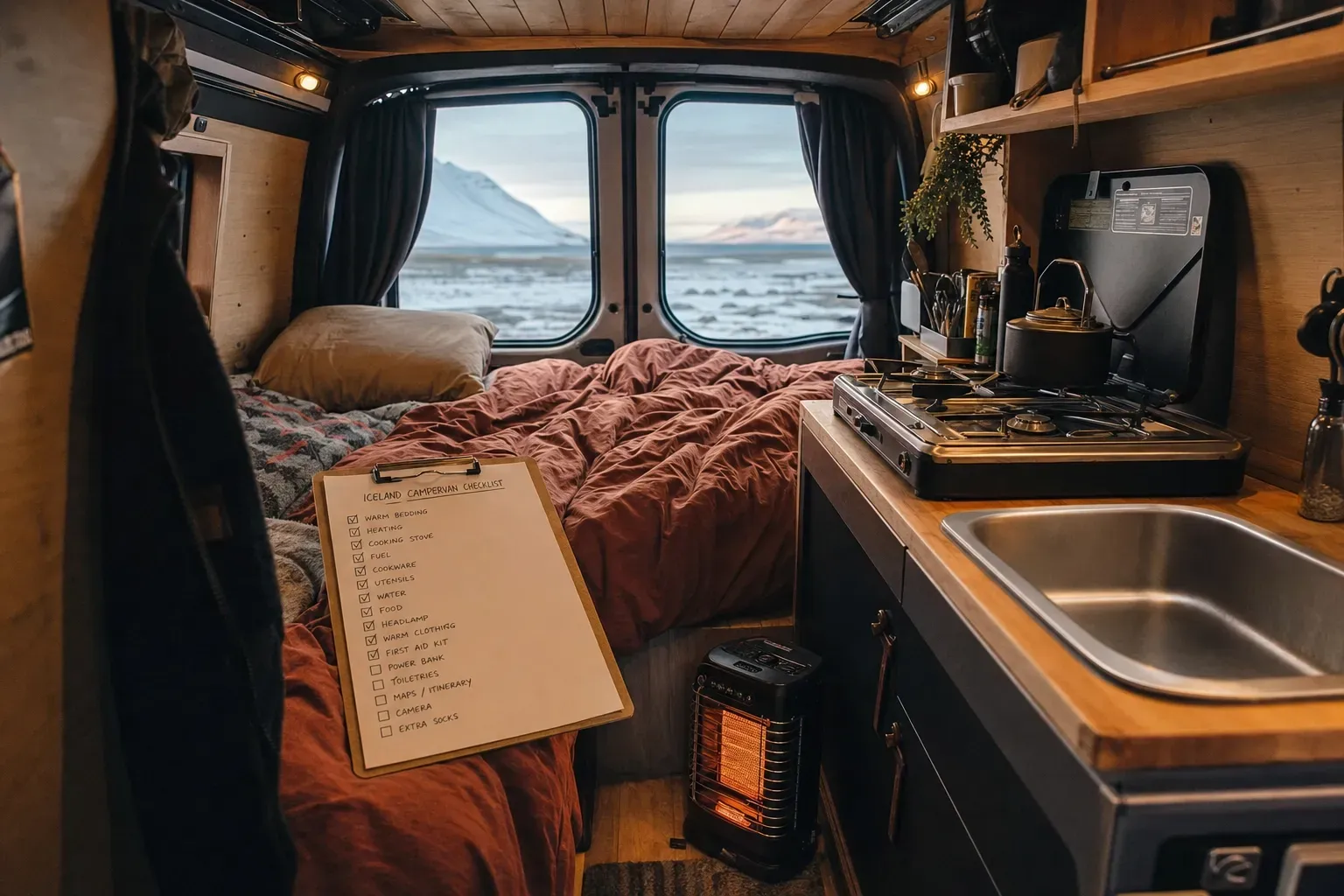
- Heater type. A diesel or fuel-fired heater that runs safely overnight is non-negotiable outside high summer. Iceland can dip near freezing even in July.
- Kitchen setup. Look for a reliable gas stove, real cookware, and a cooler or fridge. Eating out in Iceland is brutally expensive, so a good kitchen pays for itself fast.
- Sleeping comfort. Check the bed length and mattress quality. You're here to shoot sunrises, not nurse a sore back.
- Fuel efficiency. Diesel vans generally sip less fuel — a meaningful saving over hundreds of highland kilometers.
- Age and condition of the fleet. Newer vehicles break down less. In the remote interior, reliability is a safety feature, not a luxury.
- Included extras. Free unlimited mileage, a second driver, camping gear, Wi-Fi, and 24/7 roadside support separate the great rental companies from the merely cheap ones.
The 4x4 Question: Will You Be Driving F-Roads?
This is the fork in the road — literally — and it's the part too many first-timers overlook. Iceland's interior highlands are laced with F-roads: rugged, unpaved mountain tracks that lead to some of the most surreal, otherworldly landscapes on Earth. Think steaming geothermal valleys, multicolored mountains, and highland huts at the foot of glaciers.
Here's the rule you cannot ignore: by law, only 4x4 vehicles are permitted on F-roads. A 2WD camper is prohibited on every single F-road, and attempting one anyway will void your insurance entirely and can land you with massive fines. That green "F" prefix on the map (F26, F35, F208 and the like) is not a suggestion — it's a legal and mechanical line in the sand.
So the honest question is: do your dream destinations sit behind an F-road? If you want Landmannalaugar's rainbow rhyolite peaks, the Þórsmörk valley, Askja, or the Kjölur and Sprengisandur routes across the interior, you need a 4x4 camper van, full stop. If your heart is set on the classic Ring Road, the South Coast waterfalls, Diamond Beach, and the Snæfellsnes Peninsula, a well-equipped 2WD camper will get you everywhere you need to go.
A few more highland truths worth internalizing:
- F-roads are seasonal. They typically open between mid-June and early July as the snow melts, and close again in autumn. Never assume a highland route is passable — check road.is (the official road authority) daily.
- River crossings are real. Many F-roads include unbridged river fords with loose volcanic sand and hidden boulders. Cross slowly and steadily to build a protective "bow wave," never stop midstream, and turn back if the water looks too deep.
- No insurance covers water damage to the engine. This is the one that catches people out. If you flood the engine crossing a river, that repair is on you — so match the van (and your driving nerve) to the route.
Choosing your drivetrain honestly, based on where you actually plan to go, is the beating heart of how to find the best camper van in Iceland.
Iceland Camper Van Insurance: Which Packages Actually Matter
Insurance in Iceland is where the fine print earns its keep. The landscape that makes this country so cinematic — gravel roads, ash plains, sandstorms, flying volcanic grit — is exactly what damages vehicles. Rental prices always look tempting until you realize the base coverage leaves you dangerously exposed. Here's how to think about each package:
Collision Damage Waiver (CDW) — Usually included in the base price. It covers general accident damage but comes with a high non-waivable excess (the amount you'd still pay out of pocket). Consider this your starting point, not your finish line.
Super Collision Damage Waiver (SCDW / PCDW) — An upgrade that dramatically lowers your excess, sometimes close to zero. For most travelers this is the single most valuable add-on, because it caps your worst-case exposure on a routine bump or scrape.
Gravel Protection (GP) — Iceland is a land of gravel roads, and loose stones fired up by passing cars chip windshields, headlights, and paint constantly. If you'll touch any gravel or F-road, gravel protection is close to mandatory. Windshield and body damage from stones is almost guaranteed.
Sand and Ash Protection (SAAP) — This is the one people underestimate. Iceland's South Coast and interior are prone to fierce sandstorms and volcanic ash that can strip the paint clean off a van in minutes. Sand and ash damage can run anywhere from roughly 500,000 to 1,500,000 ISK — a catastrophic bill. If you're driving the South Coast or visiting in the windy shoulder seasons, buy it.
Tire and Theft Protection — Often bundled in. Tires take a beating on gravel, so tire coverage is a smart, cheap hedge.
My honest take: the smartest move is usually a bundled "full" package that combines SCDW (excess down to near zero), gravel protection, sand and ash protection, and tire insurance. Many companies offer these bundles at a discount over buying each piece separately, and the peace of mind is worth every króna.
Whatever you do, remember the golden exclusions:
no policy covers engine/water damage from river crossings, damage from driving a 2WD on F-roads, or off-road driving of any kind (which is illegal and heavily fined in Iceland). Read your specific rental agreement — coverage and excess amounts vary by company.
Booking Smart: Final Tips Before You Reserve
- Book early for summer. June through August fleets sell out, and the best-equipped 4x4 campers go first.
- Read the excess numbers, not just the daily rate. A cheap van with a 400,000 ISK excess can cost more than a pricier van with near-zero excess after one mishap.
- Confirm what's included. Unlimited mileage, second driver, camping equipment, and 24/7 support should be standard, not surprise upsells.
- Match the van to the season. Overnight heater in the shoulder seasons; true 4x4 with good clearance if the highlands are calling.
- Screenshot the pickup inspection. Photograph every existing scratch at pickup so you're not charged for it at return.
Your Land of Fire and Ice Adventure Awaits
Iceland is not a place you simply visit — it's a place that recalibrates your sense of scale and beauty. Fire and ice, side by side. Glaciers the size of countries. Waterfalls that shake the ground.
Foxes, puffins, seals, and reindeer moving through landscapes that look borrowed from another planet. And the very best way to meet all of it, on your own terms and your own schedule, is from the driver's seat of the right camper van.
So take the time to get this decision right. Match your van to your season, be brutally honest about whether F-roads are in your future, and buy the insurance that fits the terrain you'll actually drive. Do that, and the road opens up — endless, wild, and waiting.
The Land of Fire and Ice is calling. Go answer it. Your adventure is one open road away.
Ready to plan the rest of the trip? Explore more of my
Iceland adventures and see the country from above in my
Airplane Tour in Iceland post.
Sources & further reading:
- Campervan Insurance in Iceland Explained — KuKu Campers
- Iceland Car Rental Insurance, Gravel & Ash Protection — Blue Car Rental
- F-Roads in Iceland: Highland Driving Guide — Blue Car Rental
- The Ultimate 2026 Iceland F-Road Guide — Off to Iceland
- Iceland Road Conditions (official) — road.is
Other Posts You Might Like