What Is a Winter Festival? Activities, History & Tips
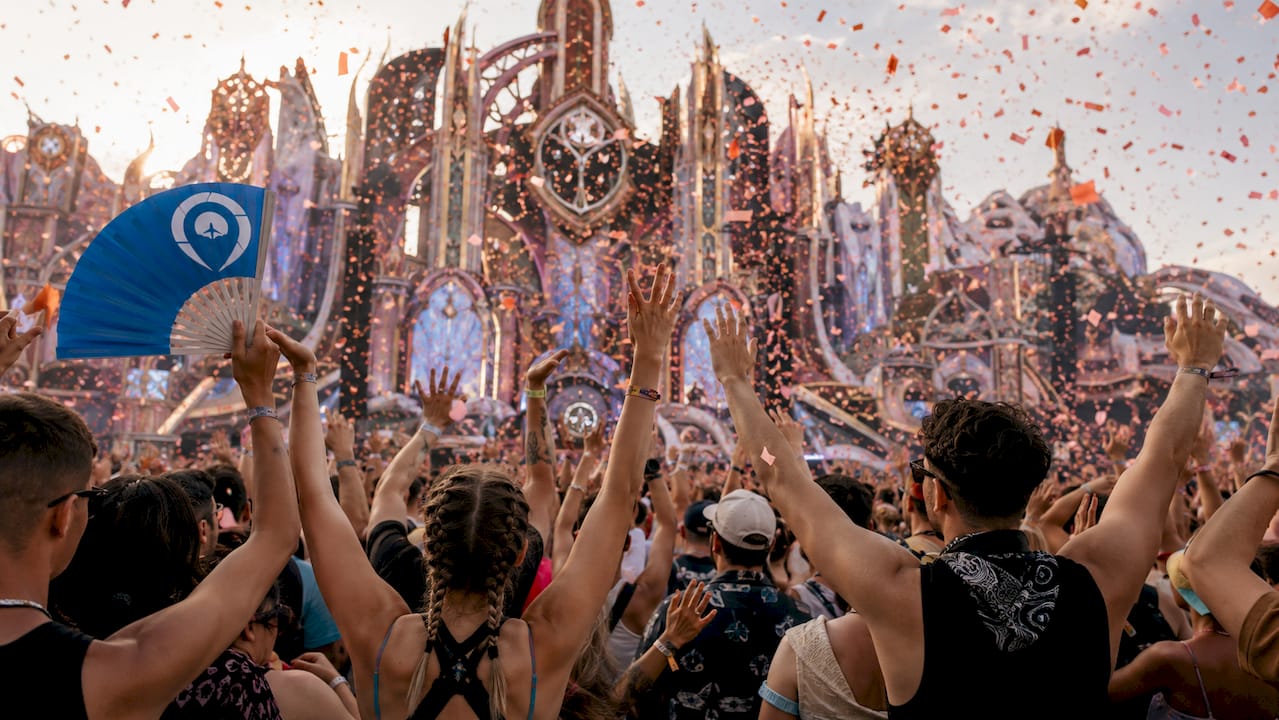
A winter festival is an organized outdoor celebration typically held in regions with severe or long winters, designed to embrace winter rather than hide from it. The exact structure varies — most major winter festivals happen where winter is longest and harshest (continental/D-climate areas), but smaller events also run in less severe climates. Think of the Québec Winter Carnival in Québec City with its towering ice palace, Winterlude in Ottawa with its famous Rideau Canal Skateway, or the World of Winter Festival in Grand Rapids, Michigan, lighting up the city with art installations. These events pack in ice sculpture competitions, skating, light displays, live music, and food markets — all outdoors, all in the cold, and honestly, all worth it.
Key Takeaways
Winter festivals are organized outdoor celebrations that turn the coldest months into a reason to gather, compete, and create — and communities run them because they work, socially, psychologically, and economically.
| Point | Details |
|---|---|
| Core definition | A winter festival is an organized outdoor celebration held in winter, designed to embrace the season through communal activities. |
| Typical activities | Expect ice and snow sculpture, skating, parades, light displays, food markets, and live music at most events. |
| Historical roots | Many festivals trace back to ancient solstice rituals; organized carnivals like Québec’s emerged in the 19th century and were formalized in the 1950s. |
| Community purpose | Festivals reduce seasonal isolation, build social cohesion, and drive off-season tourism and local economic activity. |
| Traveling Portrait | The travel photography workshop covers cold-weather shooting technique and festival storytelling for travelers attending winter events. |
Table of Contents
- What is a winter festival, explained for first-time visitors?
- What actually happens at a winter festival?
- Where do winter festivals come from?
- Why do communities hold winter festivals?
- Notable winter festivals worth knowing about
- How to attend a winter festival comfortably and safely
- What research says about winter festivals and tourism
- A photographer’s honest take on winter festivals
- Capture your next winter festival with Traveling Portrait
- Sources
What is a winter festival, explained for first-time visitors?
The Collins Dictionary defines a winter festival simply as a recreational or themed event held during winter, and that covers a lot of ground. At its core, a winter festival is any organized community or public event that uses the winter season as its setting and its theme. The goal is celebration, not survival.
These events go by several names depending on where you are and what they focus on:
- Winter carnival — the most common North American term, usually featuring competitions and parades
- Snow festival — emphasizes snow sculpture and winter sports
- Frost fair — a historical European term, originally for markets held on frozen rivers
- Light festival — centered on illuminated art installations, popular in cities with long dark winters
- Ice festival — focused specifically on ice carving and ice architecture
Geographically, winter festivals are most common in D-climate regions(the Köppen classification for continental climates with severe winters), which covers much of Canada, the northern United States, Scandinavia, Russia, and parts of central Europe. In the Southern Hemisphere, winter festivals happen June through August. Regional differences in programming and cultural expression run deep, and why travel festivals differ across regions is worth understanding before you plan a trip.
What actually happens at a winter festival?
Most festivals mix structured events like competitions, parades, and stage performances with informal activities you can drop in and out of whenever you feel like it. Here’s what you’ll typically find:
| Activity | What to expect |
|---|---|
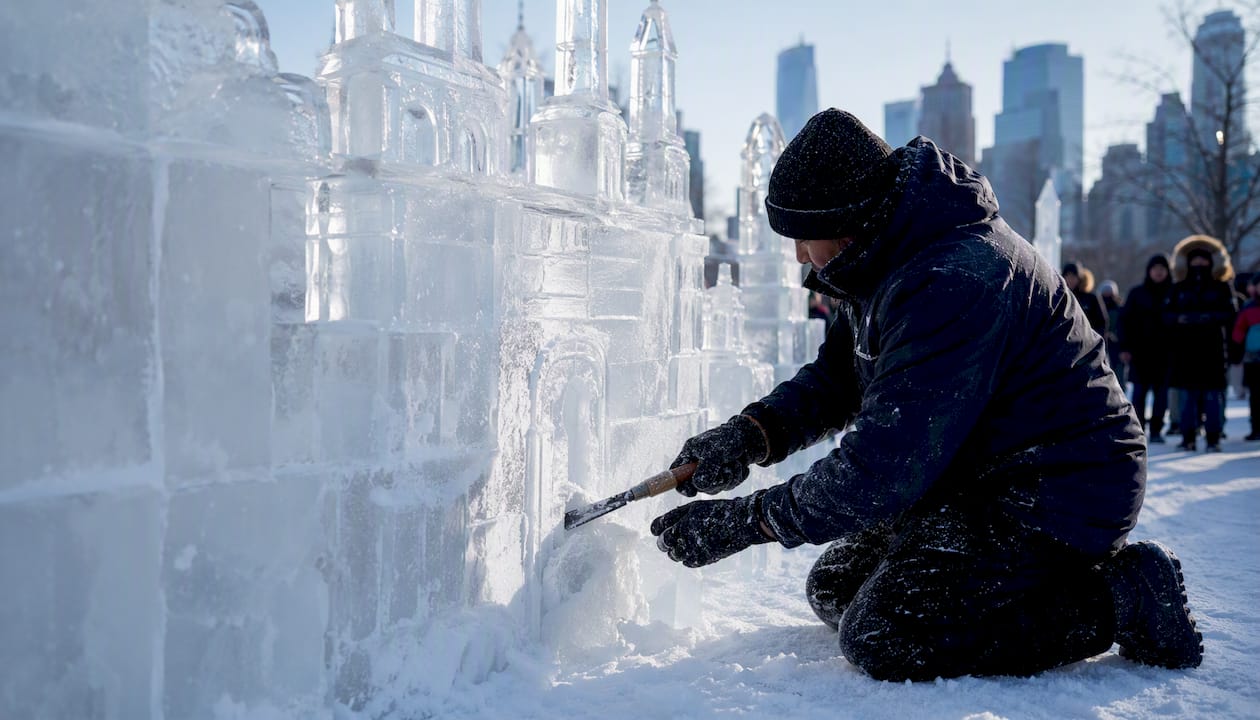
| Ice and snow sculpture | Artists carve massive blocks of ice or packed snow into detailed figures; competitions run over several days |
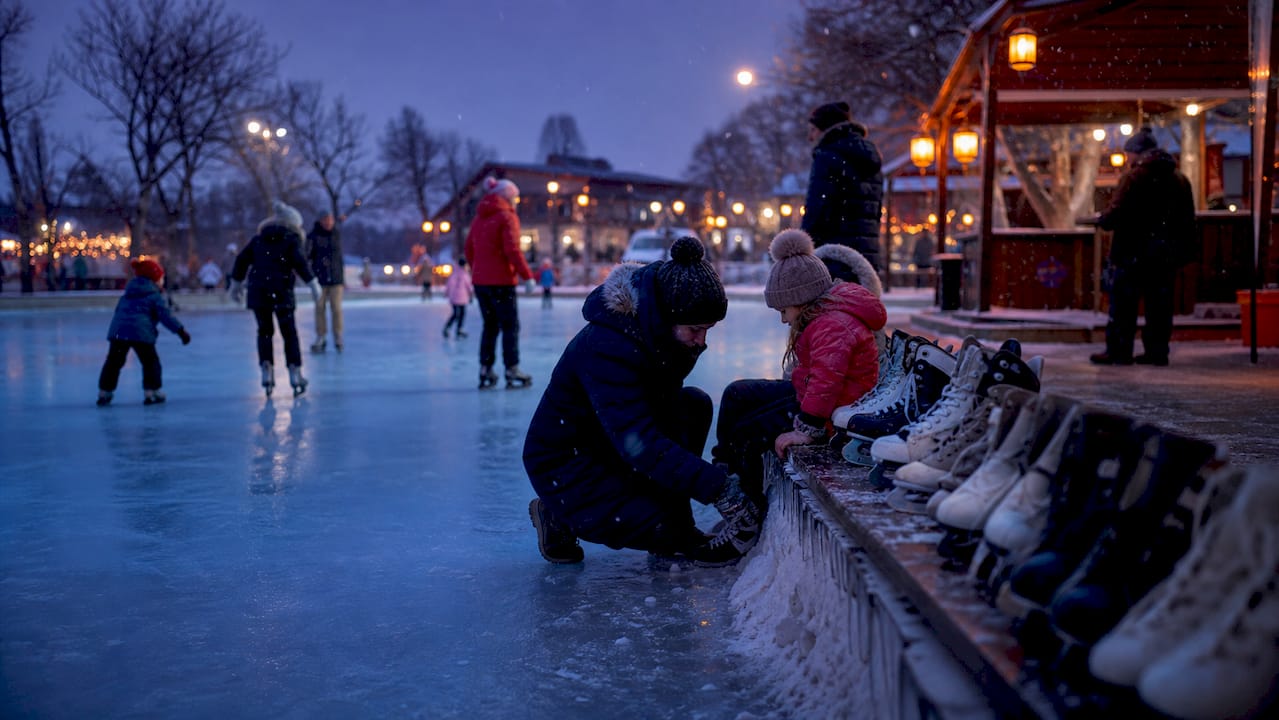
| Skating | Open rinks or frozen waterways open to the public, often with skate rentals on-site |
| Ski and snow sports | Races, terrain parks, or demo areas at festivals near mountain venues |
| Parades | Costumed processions, floats, and marching bands through city streets |
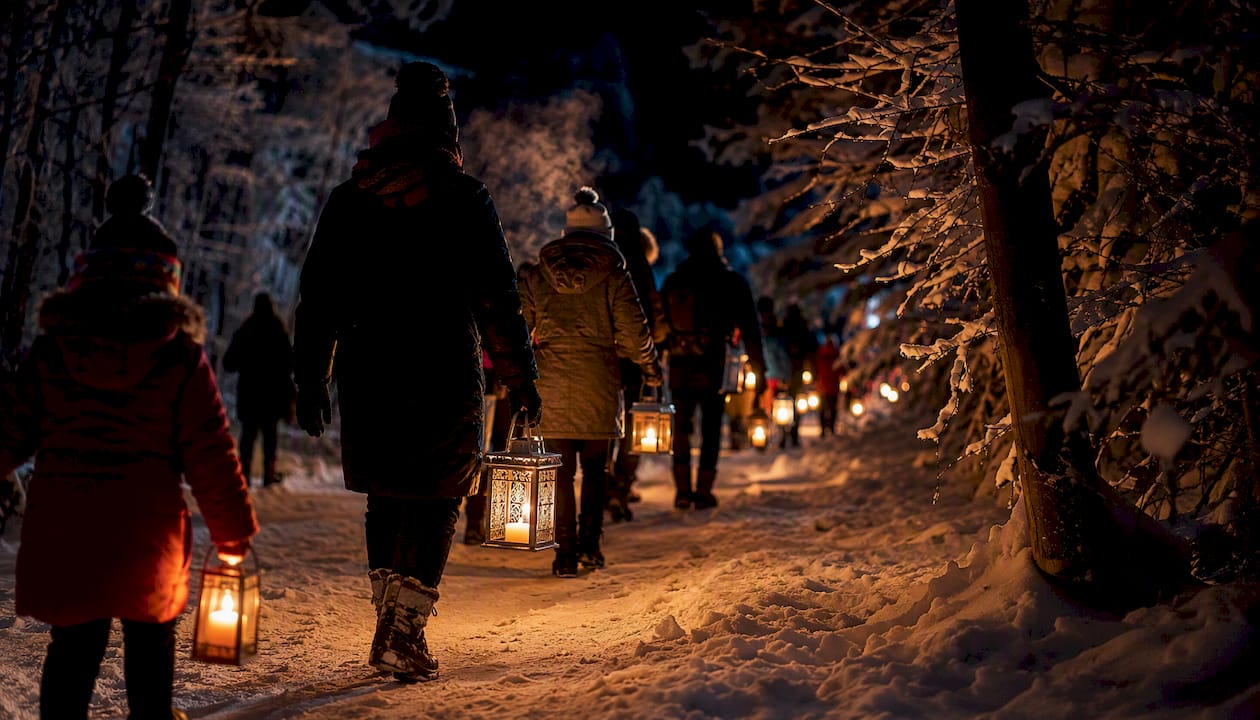
| Light displays | Illuminated art installations, projection mapping, and lantern walks after dark |
| Food markets | Local vendors selling hot drinks, street food, and seasonal specialties |
| Music and stage shows | Live bands, folk performers, and DJ sets on outdoor or covered stages |
| Dog sledding | Traditional northern sport featured as a race or a passenger ride at many Canadian and northern U.S. festivals |
Pro Tip: Pack in layers you can peel off — you’ll warm up fast while skating or watching a parade, then cool down quickly when you stop. Waterproof boots are non-negotiable. For photographers, cold kills camera batteries fast: carry at least two fully charged spares in an inside jacket pocket close to your body.
Where do winter festivals come from?
Many of the traditions you see at modern winter festivals trace back thousands of years. Historians link modern winter celebrations to ancient solstice observances that marked the return of longer days — fire lighting, communal feasting, and ritual gatherings were ways people across cultures acknowledged the darkest point of the year and looked forward to spring.
Here’s a rough timeline of how we got from ancient ritual to modern carnival:
- Ancient solstice observances — Cultures across Europe, Asia, and the Americas held midwinter rituals tied to the winter solstice, celebrating the “return of the light” with fire, feasting, and community gatherings.
- Medieval frost fairs and community coping — In cold-climate communities, winter markets and fairs became practical ways to maintain trade and social bonds during months when travel was difficult.
- 19th-century organized carnivals — North American cities began formalizing winter events. The Québec Winter Carnival traces its origins to the 19th century, when Québec City residents organized winter sports and social events to draw visitors and boost morale during brutal winters.
- 1955 relaunch and modern era — Québec’s carnival was relaunched as an annual event in 1955, complete with Bonhomme Carnaval as its mascot, and it became a template for organized winter festivals across North America and beyond.
The thread connecting all of these eras is the same: light, fire, communal games, and the deliberate choice to celebrate winter rather than simply endure it.
Why do communities hold winter festivals?
The short answer is that festivals shift the story. Instead of winter being something to get through, a festival makes it something to show up for. Cultural studies experts describe winter festivals as a social and psychological antidote to long, dark winters — formalized gatherings help communities reframe the season from endurance to celebration.
Three distinct forces drive communities to organize these events.
Social cohesion. Winter naturally pulls people indoors and apart. A festival creates a reason to gather, reinforcing community identity and shared ritual. The parade route, the ice palace, the skating rink — these become landmarks people return to year after year, building collective memory.
Psychological relief. Seasonal isolation is real, and winter celebrations across cultures consistently show that communal gathering during dark months reduces the psychological weight of winter. Whether it’s Hanukkah, Yule, or a snow-sculpture competition, the mechanism is the same: shared experience breaks isolation.
Economic stimulus. Off-season tourism is a serious motivator. Festivals fill hotels, restaurants, and local shops during months that would otherwise be slow. Food festivals attract travelers for similar reasons — a themed event gives people a specific reason to visit a destination they might otherwise skip in winter.
Notable winter festivals worth knowing about
These six examples show the range, from massive international carnivals drawing hundreds of thousands of visitors to beloved local traditions that have run for over a century.
| Festival | Location | What makes it stand out |
|---|---|---|
| Québec Winter Carnival | Québec City, Canada | World’s largest winter carnival; features an ice palace, Bonhomme Carnaval, and maple taffy on snow |
| Winterlude | Ottawa, Canada | Home to the Rideau Canal Skateway, the world’s largest naturally frozen skating rink, plus ice-sculpture competitions |
| St. Paul Winter Carnival | St. Paul, Minnesota | One of the oldest winter festivals in the U.S., known for its ice palace tradition and elaborate parades |
| Lake Louise Ice Magic Festival | Lake Louise, Alberta | International ice-carving competition set against the backdrop of the frozen lake and the Fairmont Chateau |
| World of Winter Festival | Grand Rapids, Michigan | City-wide outdoor art installation festival featuring dozens of illuminated and interactive winter sculptures |
| Saranac Lake Winter Carnival | Saranac Lake, New York | One of the oldest winter carnivals in the eastern U.S., famous for its ice palace built from frozen lake blocks |
Beyond these well-known events, hundreds of smaller local winter carnivals run every year across the northern United States and Canada. A few ways to find them:
- Check your state or provincial tourism board’s events calendar
- Search “[your city] winter carnival” on local event platforms
- Use lesser-known global festival guides to dig up community-run events that don’t make the big travel lists
How to attend a winter festival comfortably and safely
Outdoor venues, limited shelter, and variable schedules for staged events are the baseline reality at most winter festivals. The good news is that a little preparation makes the whole experience dramatically more enjoyable.
- Layer up properly. Base layer (moisture-wicking), mid layer (fleece or down), outer layer (waterproof and windproof). You can always remove a layer; you can’t add one you didn’t bring.
- Wear waterproof boots with grip. Snow, slush, and ice are everywhere. Boots rated to at least -20°F (-29°C) are worth it for multi-hour outdoor events.
- Pack hand warmers. Disposable chemical warmers are cheap and last 6–8 hours. Tuck them in your gloves or pockets during sculpture walks and parades.
- Carry extra camera batteries. Cold drains lithium batteries fast — sometimes in under an hour. Keep spares in an inside pocket and swap them out as needed.
- Bring spare SD cards. Winter light, ice reflections, and night illumination are genuinely beautiful. You’ll shoot more than you expect.
- Buy event passes in advance. Major festivals like Québec Winter Carnival and Winterlude sell out specific programming. Check timing for festival travel and book early.
- Know the hypothermia warning signs. Shivering, confusion, and slurred speech are signals to get indoors immediately. Stay dry — wet clothing accelerates heat loss dramatically.
For families, most major winter festivals are genuinely accessible. Stroller-friendly paths, heated rest areas, and dedicated kids’ programming (snow play zones, face painting, short skating loops) are standard at events like Winterlude and the World of Winter Festival. Check the festival’s official site for accessibility maps before you go.
Pro Tip: Cold-weather photography is one of the most rewarding challenges in travel photography. Shoot in RAW format so you can recover detail in ice highlights, use a UV filter to protect your front element from snow spray, and let your camera warm up slowly in a bag when you come back indoors — sudden temperature changes cause condensation inside the lens.
What research says about winter festivals and tourism
Social-psychological research consistently shows that winter festivals reduce isolation and reframe the season as a time of communal celebration rather than withdrawal. That insight has real practical applications for both event organizers and destination marketers.
For organizers, the formula that works is multi-day programming with a mix of competitive events (ice carving, snow sculpture), participatory activities (skating, tobogganing), and evening light or fire elements that tap into the solstice-era instinct for warmth and brightness. Each of those elements serves a different visitor motivation — spectators, participants, and photographers all find something.
For destinations, the economic logic is straightforward. A small town running a weekend ice-sculpture competition can extend hotel occupancy by several days, fill restaurants on what would otherwise be dead weeknights, and generate local media coverage that builds the destination’s identity over years. Winter wellness retreats and mountain adventure packages follow the same logic — packaging winter as an attraction rather than an obstacle.
A photographer’s honest take on winter festivals
There’s something genuinely special about showing up to a winter festival with a camera. The light is extraordinary — low-angle winter sun, ice that refracts color in ways you can’t replicate in a studio, and after dark, the glow of light installations against snow creates images that look almost surreal. The challenge is that everything takes longer in the cold: your fingers are slower, your battery dies faster, and you’re working in gloves half the time.
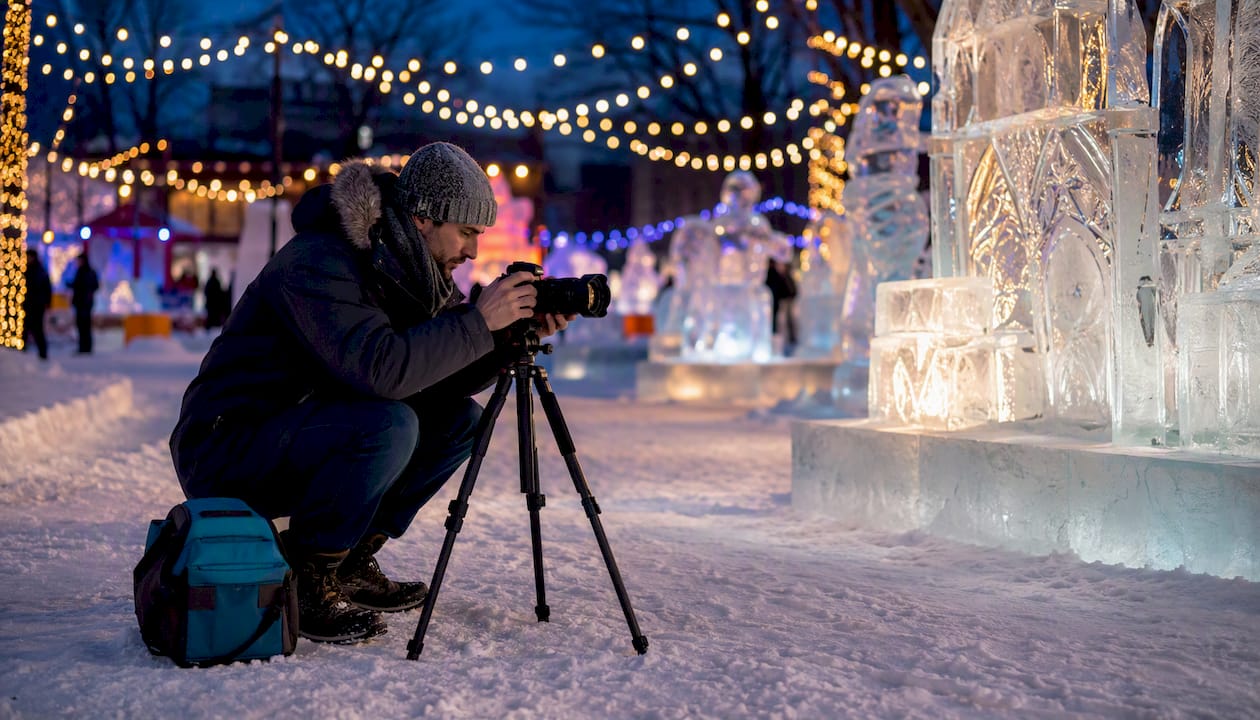
What I’ve noticed is that the photographers who get the best shots at these events aren’t the ones with the biggest lenses. They’re the ones who planned ahead — they knew which events ran at golden hour, they scouted the ice palace the morning before the crowds arrived, and they had a warm café nearby to duck into between shoots. Planning is the real skill. For anyone serious about documenting winter festivals, Traveling Portrait’s travel photography workshop covers exactly this kind of cold-weather shooting, from camera settings to storytelling.
Capture your next winter festival with Traveling Portrait
Winter festivals are some of the most photogenic events on the planet, and knowing how to shoot them well makes the difference between snapshots and images you’re actually proud of. Traveling Portrait’s photography workshops are built for travelers who want to come home with a real body of work — covering cold-weather camera technique, composition in low light, and how to tell a festival’s story across a full day of shooting. Whether you’re heading to Québec City, Grand Rapids, or a smaller local carnival, the workshop gives you a concrete framework to work from. Check available workshop dates and reserve your spot before the winter season fills up.
Sources
- Winter Festivals | The Canadian Encyclopedia
- Winter festival - Wikipedia
- 7 winter solstice celebrations | Britannica
- What is the Québec Winter Carnival? - Visit Quebec
- WINTER FESTIVAL definition in American English | Collins Dictionary
- Winter celebrations from around the world | BC Association of Community Response Networks
Recommended
Other Posts You Might Like