

What Is a Travel Visa? A Clear Guide for U.S. Travelers
A travel visa is a conditional, official authorization granted by a foreign government that permits you to enter, stay within, or exit its territory for a specific purpose and a limited time. Think of it as the foreign country’s permission slip, separate from your passport, which only proves who you are and where you’re from. Without the right visa, you can be turned away at the border before your trip even begins.
Here’s what a travel visa actually covers:
- Purpose: Tourism, business, study, transit, or work, each requiring its own visa category
- Format: A physical stamp, a sticker glued into your passport, or an electronic record linked to your passport number
- Duration: A set window of time, ranging from a few days to several years depending on the visa type and country
- Supplement to your passport: Your passport proves identity and citizenship; the visa proves the destination country has approved your visit
- Not a guarantee of entry: Even with a valid visa, border officials have final authority and can refuse entry for any lawful reason
One thing that surprises a lot of first-time international travelers: getting the visa approved does not mean you’re automatically walking through that border gate. The immigration officer at the port of entry makes the final call. So yes, you need the visa, but you also need to show up prepared.
What are the main types of travel visas?
Not all visas work the same way, and picking the wrong category is one of the most common mistakes travelers make. The major visa types each serve a distinct purpose, and applying for the wrong one can get your application rejected outright.
- Tourist visa: Strictly for leisure travel, sightseeing, and recreational activities. You generally cannot work or attend school on this visa.
- Business visa: Covers attending meetings, conferences, or negotiations. It does not typically allow you to take up employment or earn income in the destination country.
- Student visa: Required when you’re enrolling in a formal educational program abroad. Most countries require proof of acceptance from an accredited institution.
- Transit visa: Used when you’re passing through a country on your way to a final destination. Some countries require this even if you never leave the airport.
- Work visa: Allows you to be employed in a foreign country. These usually require sponsorship from an employer and are among the most document-heavy applications.
Beyond these standard categories, you’ll also encounter three alternatives that skip the traditional embassy application entirely:
- Visa-free travel: U.S. passport holders can enter many countries without any visa at all, typically for stays up to 90 days. The U.S. State Department’s travel checklist recommends verifying entry requirements with the foreign embassy before every trip, even for visa-free destinations.
- Visa on arrival: Some countries issue a visa when you land, right at the airport immigration counter. It’s not universal, so confirm availability before you fly.
- Electronic Travel Authorization (eTA): A pre-travel electronic permission linked to your passport, required by countries like Canada for certain nationalities. It’s faster than a full visa application but still mandatory.
Fees, required documents, and processing times vary widely by country and visa type. A tourist visa to one country might take three days and cost $30; a student visa to another might take three months and require a stack of supporting documents. Always check the specific requirements for your destination.
Who issues visas, and what do U.S. travelers need to know about visa policies?
Visas are issued by foreign governments, not by the U.S. government. The issuing authorities you’ll deal with are:
- Embassies: The main diplomatic mission of a foreign country, usually located in Washington, D.C.
- Consulates: Satellite offices of an embassy, often found in major U.S. cities like New York, Los Angeles, Houston, and Chicago
- Visa Application Centers (VACs): Third-party centers authorized by foreign governments to collect documents and biometrics on their behalf
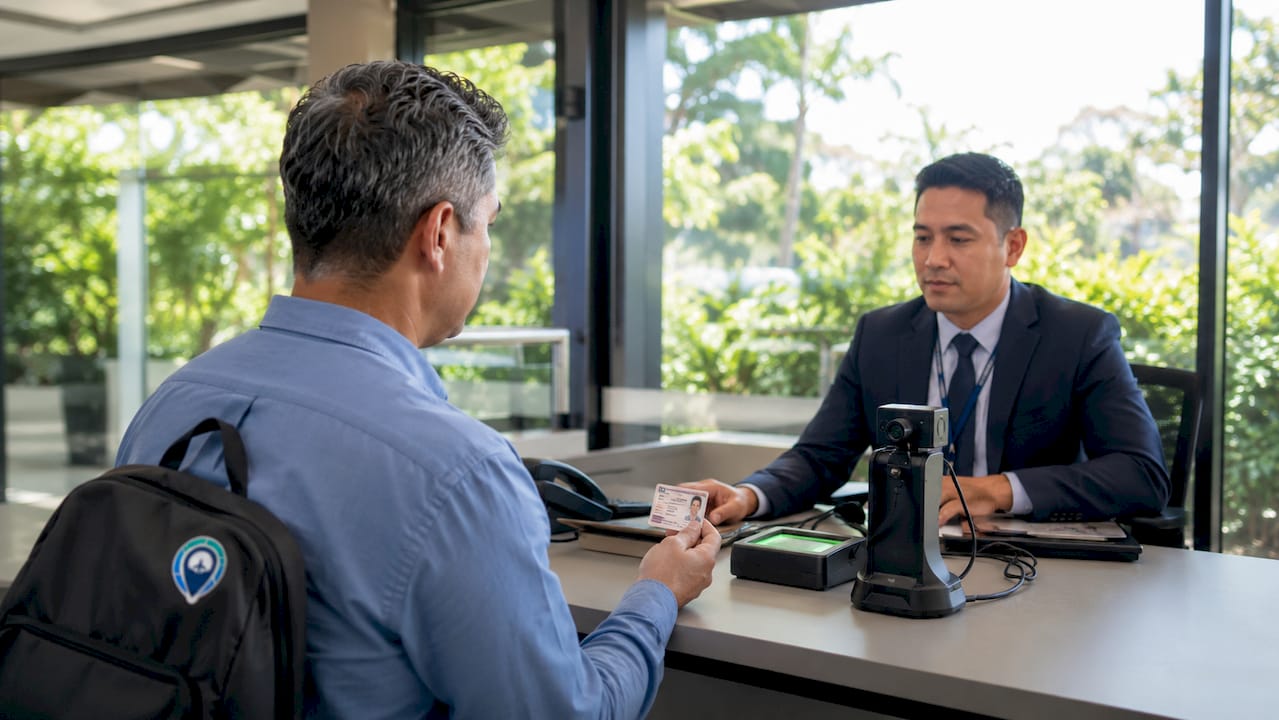
Most consulates and VACs operate on appointment-only systems, so you can’t just walk in. You book your slot through the official government portal for that country’s embassy or consulate, submit your application, and attend your appointment on the scheduled date.
Biometrics and interviews are increasingly standard. Many countries now require fingerprinting and a photo at the VAC before your application is processed. Some, like the U.S. when issuing visas to foreign nationals, also require an in-person interview at the consulate. As a U.S. traveler applying abroad, expect to provide biometrics for destinations like the United Kingdom, Canada, and the Schengen Area countries.

Visa exemptions for U.S. passport holders are genuinely one of the perks of an American passport. The U.S. participates in several visa waiver arrangements, allowing Americans to visit dozens of countries across Europe, Asia, and Latin America without applying for a visa in advance. That said, “visa-free” doesn’t mean “no requirements.” You may still need to register online or show proof of onward travel at the border.
Pro Tip: Book your visa appointment as early as possible, especially if you’re traveling between June and August or during the holiday season. Slots at popular consulates fill up well in advance, and showing up without an appointment means you may be turned away.
How do you actually apply for a travel visa as a U.S. traveler?
The travel visa application process has a clear sequence, and skipping steps is what gets people into trouble. Here’s how it generally works:
- Step 1: Determine if you need a visa. Check the entry requirements for your destination on the U.S. State Department’s travel page. Requirements change, so check even if you’ve visited before.
- Step 2: Gather your documents before booking your appointment. A complete application file is non-negotiable. Showing up with missing documents means losing your appointment slot and waiting weeks for the next one.
- Step 3: Complete the application form. Most countries now use online forms through their official government portals. Fill it out accurately; inconsistencies between your form and your supporting documents are a fast track to denial.
- Step 4: Pay the visa fee. Fees are paid through official channels, usually online or at a designated bank. Keep your payment receipt.
- Step 5: Attend your appointment. Bring every document on the checklist, plus originals and copies. Dress professionally and answer questions clearly and honestly.
- Step 6: Track your application. Most embassies provide a reference number you can use to check status online. Processing times range from a few business days to several weeks.
Typical travel visa requirements for U.S. travelers include:
- A valid U.S. passport with at least 6 months validity beyond your travel dates
- Blank passport pages for entry stamps
- Completed visa application form
- Passport-sized photos meeting the destination country’s specifications
- Proof of accommodation (hotel bookings, invitation letter, etc.)
- Proof of financial means (bank statements, pay stubs)
- Proof of onward travel (return flight booking)
- Travel insurance, required by some countries
Common reasons for visa denial include incomplete applications, inconsistencies in your documents, insufficient proof of funds, a prior overstay on a previous visa, or failure to demonstrate strong ties to the U.S. (like employment, property, or family) that prove you intend to return home.
Pro Tip: Never book non-refundable flights or hotels before your visa is approved. If your application is denied, you’ll lose that money with no recourse. Book refundable or flexible tickets until you have the visa in hand.
Checking your visa status is usually done through the embassy or consulate’s official website using your application reference number. Some countries also offer email or SMS updates. If your application is taking longer than the stated processing time, contact the embassy directly through their official channels, not through a third-party service.
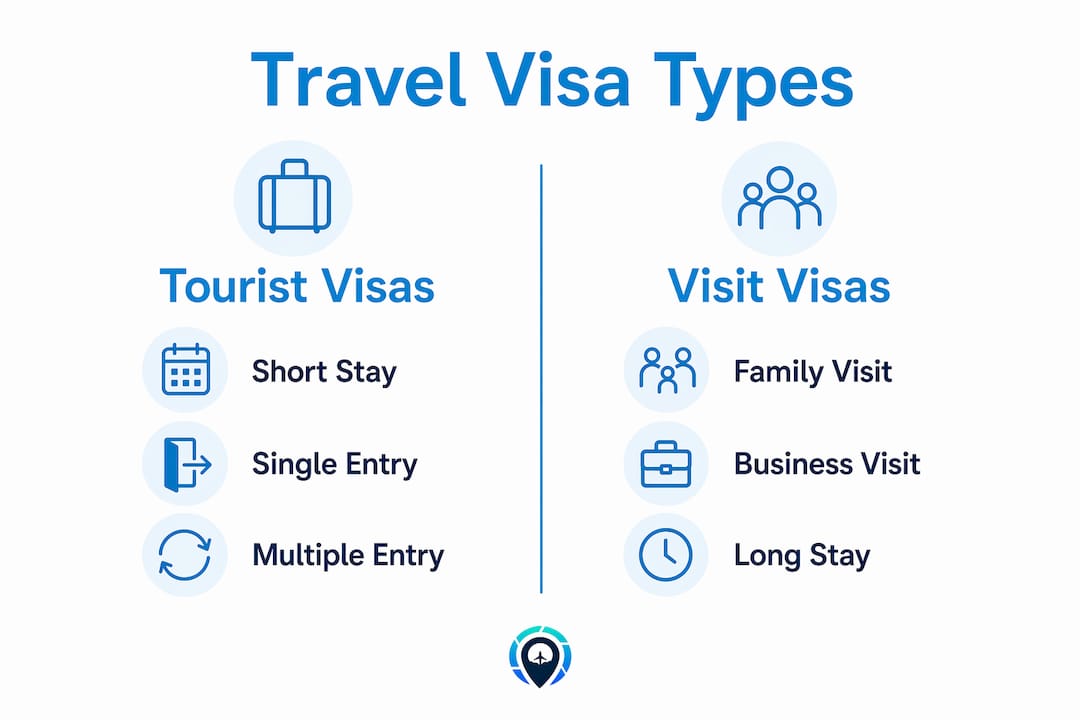
Tourist visa vs. visit visa: what’s actually the difference?
These two terms get mixed up constantly, and the confusion is understandable because different countries use them differently. Here’s the practical breakdown:
- Tourist visa: Strictly leisure-focused. Sightseeing, recreation, and relaxation are the intended activities. Visiting family or conducting any business activity typically falls outside its scope.
- Visit visa: A broader category that covers short-term stays for multiple purposes, including visiting family or friends, attending a wedding, or short business meetings. The U.S. State Department actually uses “visitor visa” as an umbrella term covering both tourism (B-2) and business (B-1) purposes.
The terminology varies by country, which is where travelers get tripped up. What one country calls a “tourist visa” another calls a “visitor visa,” and the permitted activities under each can differ significantly.
Activities typically allowed under a tourist visa:
- Sightseeing and recreational travel
- Short-term language courses (non-credit)
- Attending cultural events
Activities typically allowed under a visit visa (broader category):
- Everything above, plus visiting family or friends
- Attending business meetings or conferences (without receiving payment)
- Medical treatment in some countries
The golden rule: always read the specific conditions printed on your visa or listed in the official approval letter. Never assume that because an activity sounds harmless, it’s permitted. Working, even casually, on a tourist or visit visa is a serious violation that can result in deportation and future entry bans.
Expert tips and cautions every U.S. traveler should know before applying
Getting a visa approved takes more than just filling out a form. Here’s what experienced travelers and official embassy guidance consistently flag as the things that trip people up.
Complete your documents before booking your appointment slot. This one can’t be overstated. Consulates use appointment-only systems with limited availability, and arriving with an incomplete file means you lose that slot entirely. The next available appointment could be weeks away, which can derail your whole trip.
Book your appointment early, especially during peak travel seasons. Popular travel months drive high demand at consulates, and slots can fill up 6–10 weeks in advance. If you’re planning a summer trip to Europe or Asia, start the visa process in the spring. Waiting until a month before your departure is genuinely risky.
Use only official government portals. Third-party visa services exist, and some are legitimate, but official embassy websites are always the most reliable source for requirements and procedures. Third-party sites sometimes charge extra fees for services you can do yourself for free, and they occasionally provide outdated information that leads to application errors.
Here are the key cautions to keep in mind:
- A visa does not guarantee entry. Border officials have the final say, and they can deny entry even if your visa is valid. Be polite, honest, and prepared to explain your travel plans clearly.
- Proof of onward travel matters even for visa-free travelers. Even without a visa requirement, border officials may ask to see a return flight booking or proof that you have sufficient funds to support yourself during your stay.
- Avoid overstaying. An overstay, even by one day, can result in bans from future entry and complications with future visa applications worldwide.
- Don’t rely on third-party services for accuracy. Always cross-reference any information you find on non-official sites against the actual embassy or consulate website.
Pro Tip: At the border, keep your answers short and factual. Border officials are trained to spot inconsistencies, and over-explaining can raise flags. Know your itinerary, have your accommodation details ready, and carry a printed copy of your return flight booking.
If you’re planning an adventure trip and want to make sure your travel prep is airtight, Traveling Portrait’s guide on bucket list trip mistakes covers the planning pitfalls that catch even experienced travelers off guard. And if you’re thinking about destinations in Asia, the Asia destinations page is a solid starting point for understanding what you’re getting into visa-wise before you commit to a destination.
Key Takeaways
A travel visa is an official, time-limited authorization from a foreign government that permits entry for a specific purpose, and getting it right requires preparation, official sources, and realistic timelines.
| Point | Details |
|---|---|
| Visa definition | A travel visa is a conditional authorization from a foreign government, separate from your passport, granting entry for a specific purpose and duration. |
| Types vary widely | Tourist, business, student, transit, and work visas each have distinct permitted activities; visa-free, visa on arrival, and eTA options also exist. |
| Complete file first | Gather all documents before booking your consulate appointment; an incomplete file means losing your slot and waiting weeks for the next one. |
| Book appointments early | During peak travel seasons, consulate appointment slots fill up 6–10 weeks in advance, so start the process well before your travel date. |
| Visa approval isn’t entry | Even with a valid visa, border officials have final authority to deny entry; carry proof of onward travel and sufficient funds every time. |
Recommended
Other Posts You Might Like