
The Real Role of Travel Communities in 2026
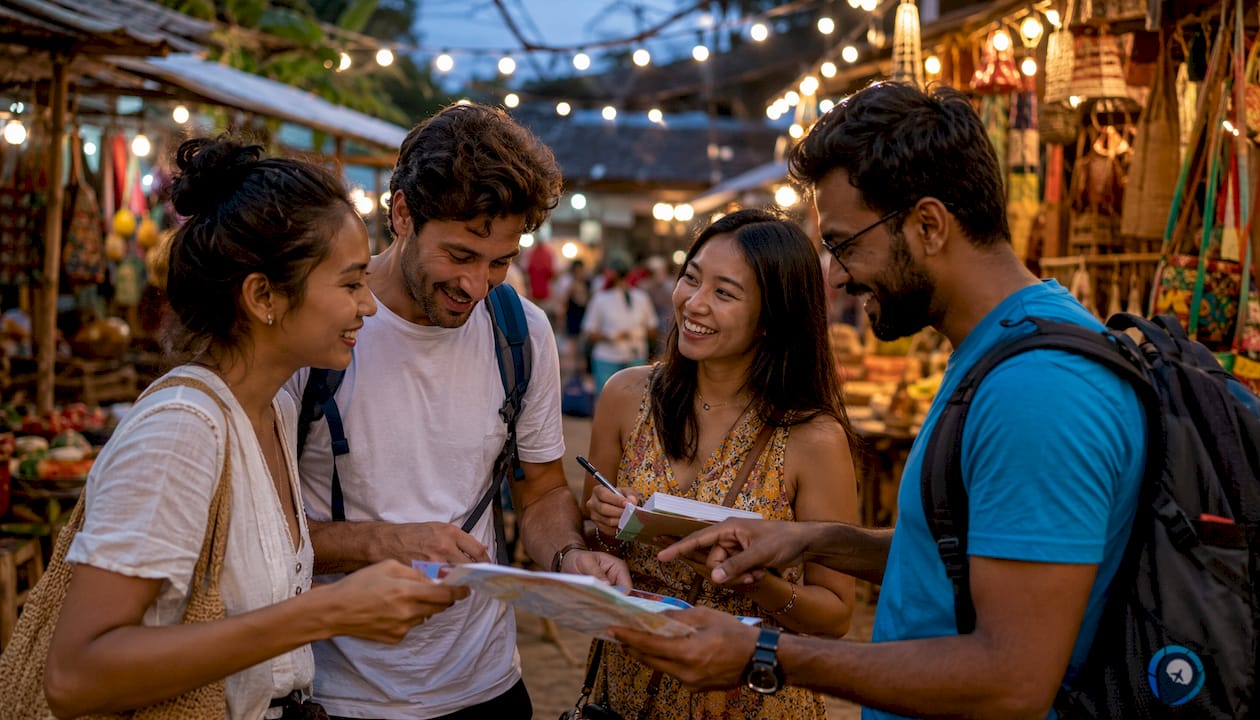
Travel communities are the connective tissue between curious travelers and the local cultures they visit. They’re not just Facebook groups or hashtag followings. They’re networks where around 70% of travelers now rely on recommendations from fellow travelers rather than traditional travel agents for trip planning, giving locals real economic power, and where travelers shift from passive tourists into temporary community members who actually care about the places they visit.
Here’s what travel communities genuinely do:
- Keep tourism revenue circulating within local economies instead of leaking to outside corporations
- Preserve cultural heritage, languages, and traditions by giving communities ownership of their own stories
- Connect travelers with authentic, locally managed experiences far off the standard tourist trail
- Educate travelers on responsible behavior through peer-led initiatives
- Build psychological belonging and social bonds that make travel more meaningful
The concept sitting at the heart of all this is community-led travel , sometimes called community-based tourism (CBT). It’s a model where residents manage tourism on their own terms, and the benefits flow back to them directly.
How travel communities support local cultures and economies
Community-led travel runs on a few non-negotiable principles: local ownership, authentic storytelling, and shared decision-making. When a destination community controls its own tourism offerings, economic benefits stay local, funding schools, preserving mango forests, and supporting artisan cooperatives rather than padding the margins of distant hotel chains.
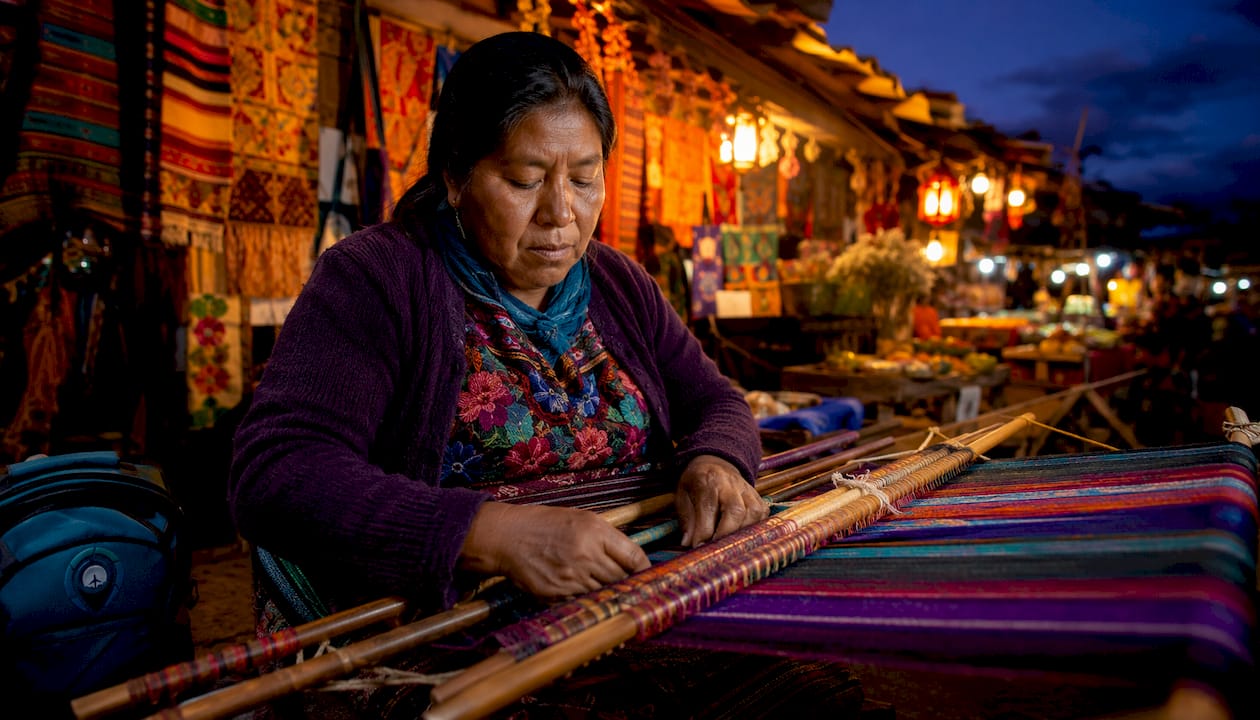
The cultural payoff is just as real. When locals manage what visitors see and experience, they get to decide which traditions are shared, how they’re framed, and what context surrounds them. That’s the difference between a staged folk dance for a tour bus and a genuine weaving lesson at a place like Radical Weavers in Sterling, Scotland, where visitors learn textile history while the studio simultaneously supports LGBT youth and trauma survivors through craft.
A few standout examples of community-led tourism in action:
- Movimiento Identidad, Panama City: Founded by Efraín Guerrero, this nonprofit leads tours through the historically marginalized neighborhoods of Santa Ana, Chorrillo, and Calidonia, turning streets into an open-air museum of local customs, gastronomy, and youth education.
- Ban Nai Nang Tourism Community, Thailand: This Muslim-majority collective in southern Thailand uses tourism to protect mango forests and promote beekeeping, coastal conservation, and the blue swimming crab bank.
- Ecobnb: An accommodation platform connecting travelers with eco-friendly, locally owned stays across Europe and beyond, keeping spending close to host families and small operators.
- Sustainable Travel International: Works directly with destinations and travel businesses to build frameworks that protect natural and cultural assets while distributing economic benefits more fairly.
- Backroads: A guided travel company that designs small-group itineraries emphasizing local guides, regional food, and off-the-beaten-path cultural access rather than mass-market sightseeing.
Pro Tip: When booking accommodation, look for properties listed on platforms like Ecobnb or certified through Sustainable Travel International’s programs. Your nightly rate is far more likely to stay in the community.
Practical ways you can support local communities through travel
The good news? You don’t need to overhaul your entire travel style. Small, deliberate choices add up fast.
- Stay local. Choose family-run guesthouses, community lodges, or eco-certified properties over international chain hotels. The money stays in the neighborhood.
- Eat where locals eat. Farm-to-table restaurants and market stalls run by local families put your food spend directly into household incomes.
- Buy artisan goods directly. Skip the airport souvenir shop. Buying handmade jewelry or textiles directly from the maker means the full price reaches them.
- Use community platforms for planning. Online travel communities surface authentic local experiences that no guidebook covers, from neighborhood walking tours to homestay cooking classes.
- Leave honest feedback. Reviews on community platforms help other travelers find responsible operators and signal to hosts what’s working.
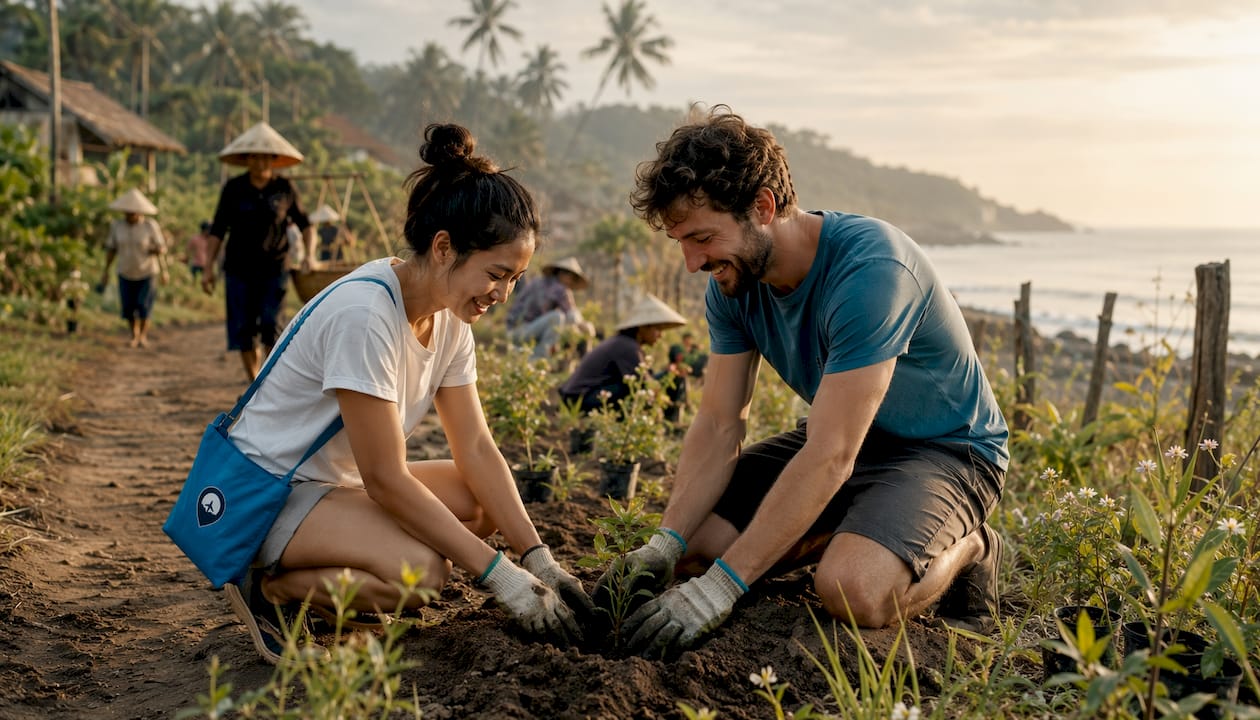
- Engage, don’t just observe. Participating in a weaving workshop or a community harvest beats photographing it from a distance. That participation is what transforms a visitor from a consumer into a temporary community member.
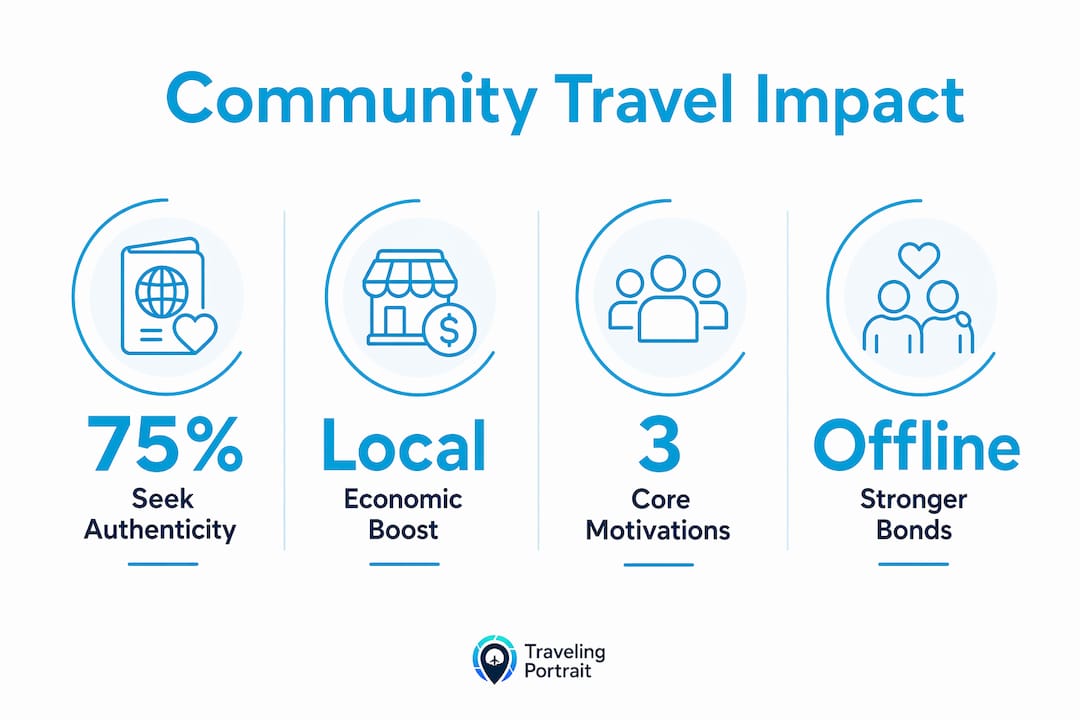
According to a 2023 Booking.com survey cited by Tourism Cares, 75% of travelers seek authentic experiences representative of local culture, and 69% want their spending to flow back to local communities. The demand is there. The gap is knowing where to direct it.
Challenges local communities face and how travel groups help
Tourism can hurt the communities it claims to celebrate. Economic leakage, where most visitor spending exits the destination through foreign-owned hotels and tour operators, is one of the most persistent problems. Culture gets commodified when locals feel pressured to perform traditions on demand rather than live them. Environmental strain from overtourism degrades the very landscapes that drew visitors in the first place.
Travel communities push back against these patterns in a few concrete ways:
- Education campaigns: Peer-led initiatives within travel communities teach responsible behavior before travelers even arrive, covering everything from tipping etiquette to wildlife interaction rules.
- Digital activism: Hashtags like #SustainableTravel and community-moderated forums call out exploitative operators and amplify ethical alternatives.
- Community feedback loops: Platforms that collect and publish traveler reviews give local hosts real leverage to improve their offerings and attract the right visitors.
- Shifting power to locals: Organizations like Sustainable Travel International work to ensure communities manage their own tourism development rather than having it imposed from outside.
One real pitfall worth naming: digital travel communities can also generate superficial online relationships and social media pressures like FOMO that push travelers toward performative, Instagram-first choices rather than genuinely responsible travel decisions. The antidote is prioritizing depth over optics.
Why people join travel communities: the psychology behind it
People don’t join travel communities just for flight deals. Research from Temple University identifies three core motivations: psychological (escapism, belonging), social (friendship, shared identity), and utilitarian (safety tips, budgeting, itinerary advice).
The utilitarian pull is obvious: you get real answers from people who’ve actually done the trip. But the psychological and social layers run deeper. Travel communities give people a place to belong, especially for solo travelers or those navigating complex trip types like long-term nomadism. That sense of belonging doesn’t just feel good; it drives loyalty and advocacy for the destinations and communities involved.
| Motivation type | What it looks like in practice |
|---|---|
| Psychological | Seeking escapism, identity, and a sense of belonging through shared travel passion |
| Social | Building friendships, finding travel partners, and sharing experiences with like-minded people |
| Utilitarian | Getting safety updates, budget tips, visa advice, and destination recommendations |
Critically, offline experiences within travel communities strengthen attachment far more than online interaction alone. Meeting your online community in person at a destination, on a group tour, or at a local event is what converts casual followers into genuine advocates. Backroads, for instance, builds this into its model by keeping group sizes small enough that real relationships form on the road.
Pro Tip: If you’re part of an online travel community, look for opportunities to meet members in person at your destination. That single offline experience will deepen your connection to both the community and the place more than months of forum posts.
How digital platforms and social media grow travel communities
Social media and travel apps have made it genuinely easy to find your people before you land anywhere. Platforms like Meetup and Couchsurfing connect travelers across borders, while hashtags like #SustainableTravel have built global audiences around responsible tourism values. For adventure travel planning, community input from people who’ve done the route is often more useful than any official guide.
The most effective travel brands treat community connection as the product itself, partnering with niche leaders and local influencers to create experiences that feel genuine rather than packaged. Destinations that build around shared passions, whether that’s food, photography, or conservation, attract travelers who show up as active stewards rather than passive consumers.
Best practices for responsible traveler behavior
Travel communities advocate for a consistent set of behaviors that protect both destinations and the people who call them home:
- Research before you arrive. Understand local customs, dress codes, and tipping norms through community forums before your trip.
- Prioritize locally owned operators. Whether it’s a guide, a restaurant, or a tour company, local ownership keeps money and decision-making in the right hands.
- Respect cultural boundaries. Ask before photographing people or sacred sites. Community members in travel forums are usually direct about what’s welcome and what isn’t.
- Travel slowly. Spending more time in fewer places reduces environmental pressure and allows for the kind of genuine connection that makes travel worth doing.
- Share honestly. Post real reviews, flag irresponsible operators, and recommend the local spots that deserve more traffic. Your travel itinerary choices shape where the next traveler goes.
- Support conservation directly. Many community-based tourism programs fund environmental protection. Choosing them is a vote for the landscape’s future.
Key Takeaways
Travel communities are most powerful when they connect travelers to locally owned, culturally managed experiences that keep economic benefits inside the destination.
| Point | Details |
|---|---|
| Community-led travel keeps money local | Revenue and jobs stay within the community when locals manage tourism offerings directly. |
| Offline experiences build real loyalty | In-person community interactions strengthen attachment far more than online engagement alone. |
| Three motivations drive participation | Travelers join communities for psychological belonging, social connection, and practical travel advice. |
| Around 70% of travelers want authentic experiences | Recent surveys show most travelers want spending to benefit local communities directly. |
| Responsible behavior starts with community education | Peer-led initiatives within travel networks teach ethical practices before and during trips. |
Recommended
Other Posts You Might Like