
Rent a Camper Van in Iceland: 2026 Road Trip Guide
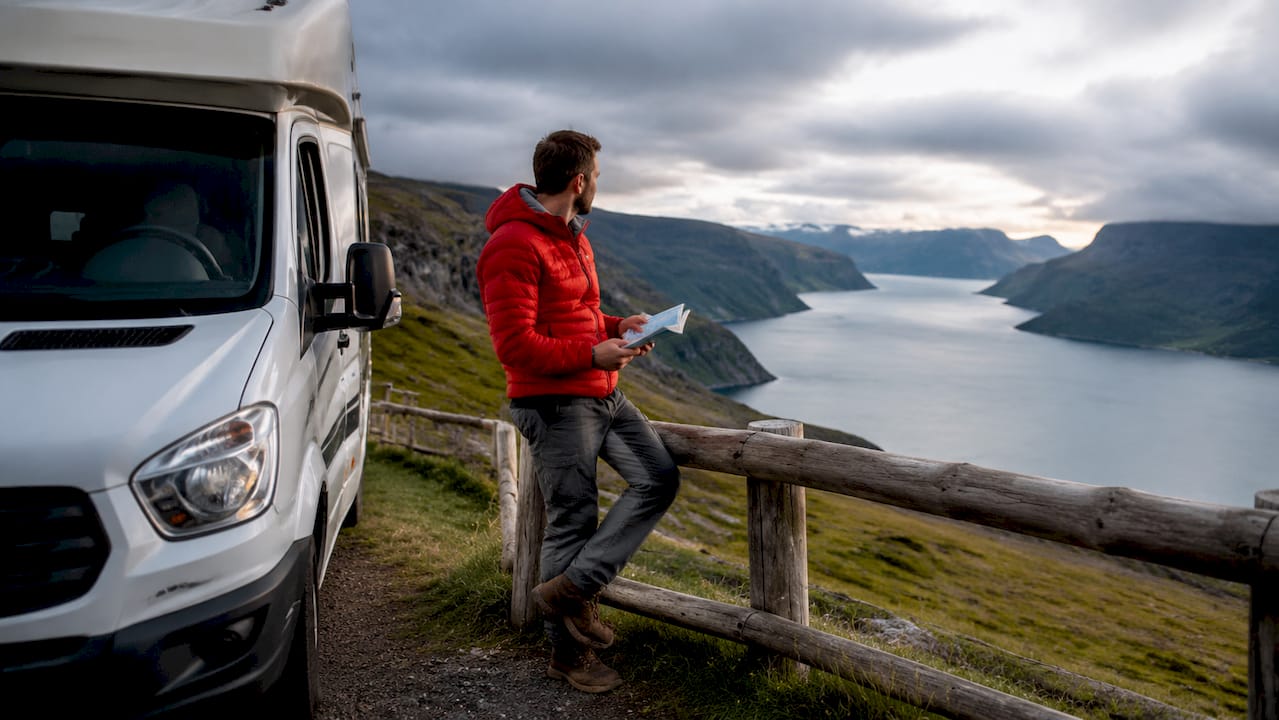
Renting a camper van in Iceland is the most flexible way to see the country, giving you a fully equipped mobile base that handles everything from the Ring Road to remote waterfalls. Daily rental prices range from $76 to $400 depending on vehicle size and season, making it accessible for budget travelers and comfort seekers alike. A camper van functions as a hotel on wheels, cutting accommodation costs while putting you right in the middle of Iceland’s landscapes. Whether you’re chasing the Northern Lights in october or hiking the Highlands in july, the right van makes all the difference.
How to rent a camper van in Iceland: vehicle types and costs
The first decision you’ll make is choosing between a small camper van and a large motorhome. Small campers run $76–$150 per day and work perfectly for one or two travelers who want to keep things simple. Large motorhomes cost $200–$400 per day and offer more living space, a full kitchen setup, and better insulation for cold nights. Your budget and group size will point you toward the right category pretty quickly.
The bigger choice is 2WD versus 4x4. A 2WD camper van is sufficient for summer Ring Road travel, covering the paved coastal highway that circles the entire island. If you want to head into the Highlands on F-roads, a 4x4 is not optional. F-roads are unpaved mountain tracks with river crossings, and driving a 2WD on them is both illegal and genuinely dangerous. Winter travel also requires 4x4 for safe handling on icy roads.
Key features to look for in any camper van
Not all vans are created equal. When you’re comparing options, prioritize these features:
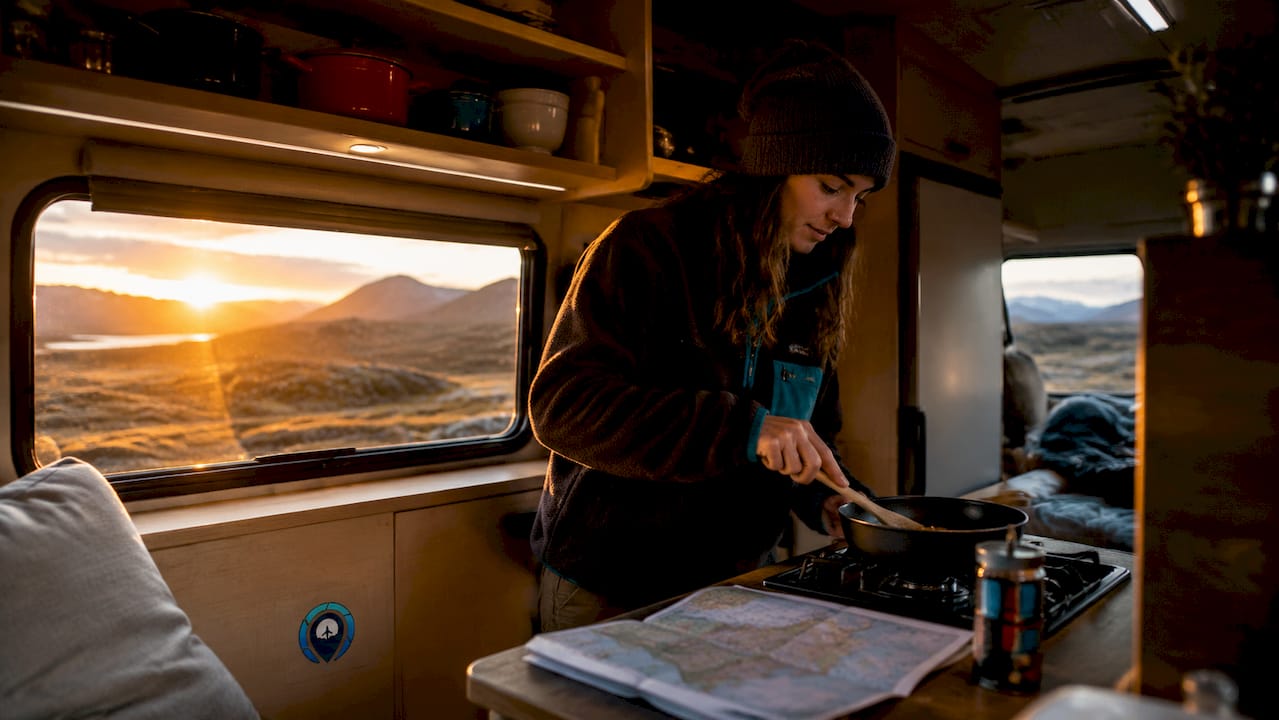
- Heating system: A diesel or gas heater is non-negotiable for Iceland, even in summer. Nights drop fast.
- Cooking kit: A built-in stove and basic cookware saves you money on restaurants every single day.
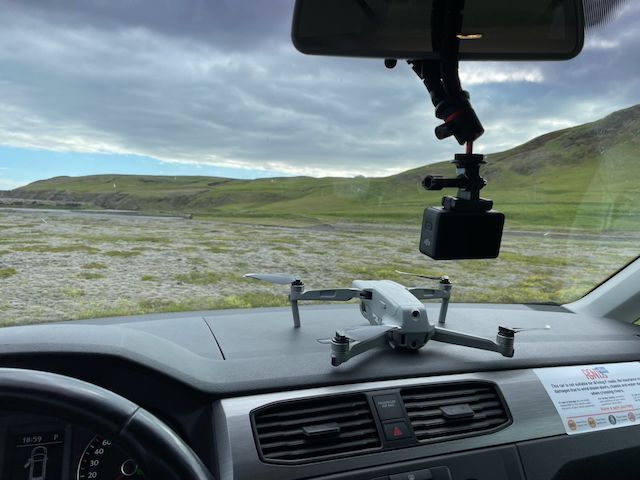
- Power inverter: Standard car chargers won’t power camera gear, laptops, or drones. Confirm the van includes a power inverter or bring your own.
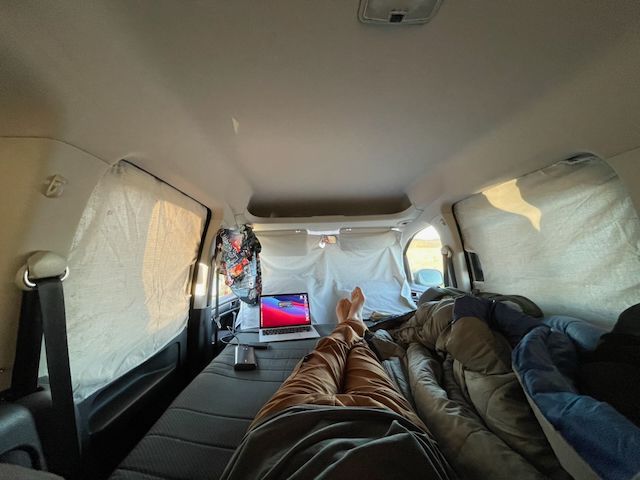
- Sleeping setup: Fixed beds beat fold-down setups after a long day of hiking. Check the configuration before booking.
- Insulation quality: Thicker insulation keeps the van warm overnight without running the heater constantly.
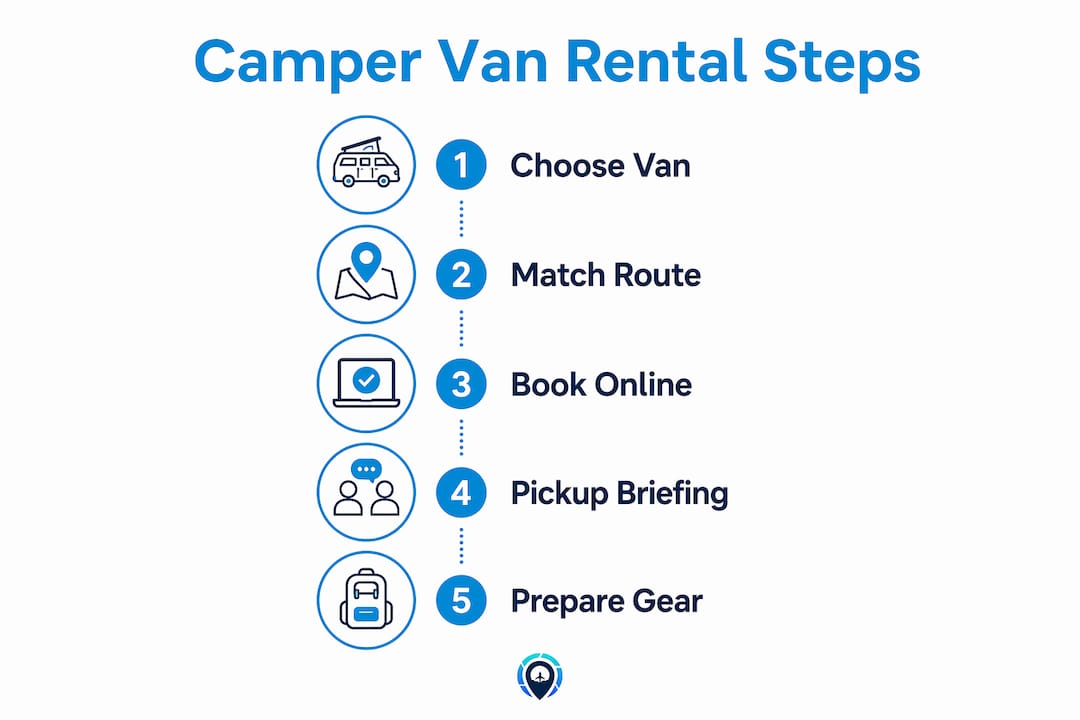
Pro Tip: Match your van to your route before you book. Ring Road travelers do great in a compact 2WD camper. Highland explorers need a 4x4 with high ground clearance. Getting this wrong costs you money and limits where you can go.
A camper van is a hotel on wheels only when it’s properly equipped. Skimping on heating or cooking gear means you’ll spend more eating out and shivering through cold nights. The upfront cost of a well-equipped van pays for itself fast.
How do you prepare for a camper van rental in Iceland?
Booking early is the single most important preparation step. Summer demand for the best camper van rentals in Iceland is intense, and the best-equipped vans disappear months in advance. Aim to book at least three to four months ahead for June, July, and august travel. Many top-rated agencies offer full refunds for cancellations made 24 hours before pickup, so booking early carries very little risk.
Once you’ve secured your van, preparation shifts to gear and organization. Here’s a practical pre-trip checklist:
- Pack layers, not bulk. Iceland’s weather changes hourly. Merino wool base layers, a waterproof shell, and thermal leggings cover most conditions without taking up too much space.
- Organize your gear on day one. Separating wet and muddy gear from sleeping areas from the start keeps the van livable for the whole trip.
- Bring a power bank and verify inverter access. Camera batteries, phones, and navigation devices all need charging. Don’t assume the van covers this.
- Stock a basic first aid kit. Remote areas have limited services. Bandages, blister pads, and pain relief are worth the space.
- Download offline maps. Cell coverage in the Highlands and remote coastal areas is unreliable. Google Maps and Maps.me both offer offline downloads.
Pro Tip: Ask your rental company for a full handover walkthrough before you drive off. Pay close attention to how the heater, water pump, and electrical system work. Missing operational details during the handover is the number one reason travelers waste time and have cold nights on the road.
The packing challenge in a camper van is real. Space is limited, and clutter builds up fast. Use dry bags to separate clean clothes from hiking gear, and designate one spot for wet items near the door. A small collapsible bin for trash keeps things tidy at campsites.
What are the key driving and camping safety tips for Iceland?
Iceland’s roads are beautiful and genuinely unforgiving. The safety rules here aren’t suggestions.
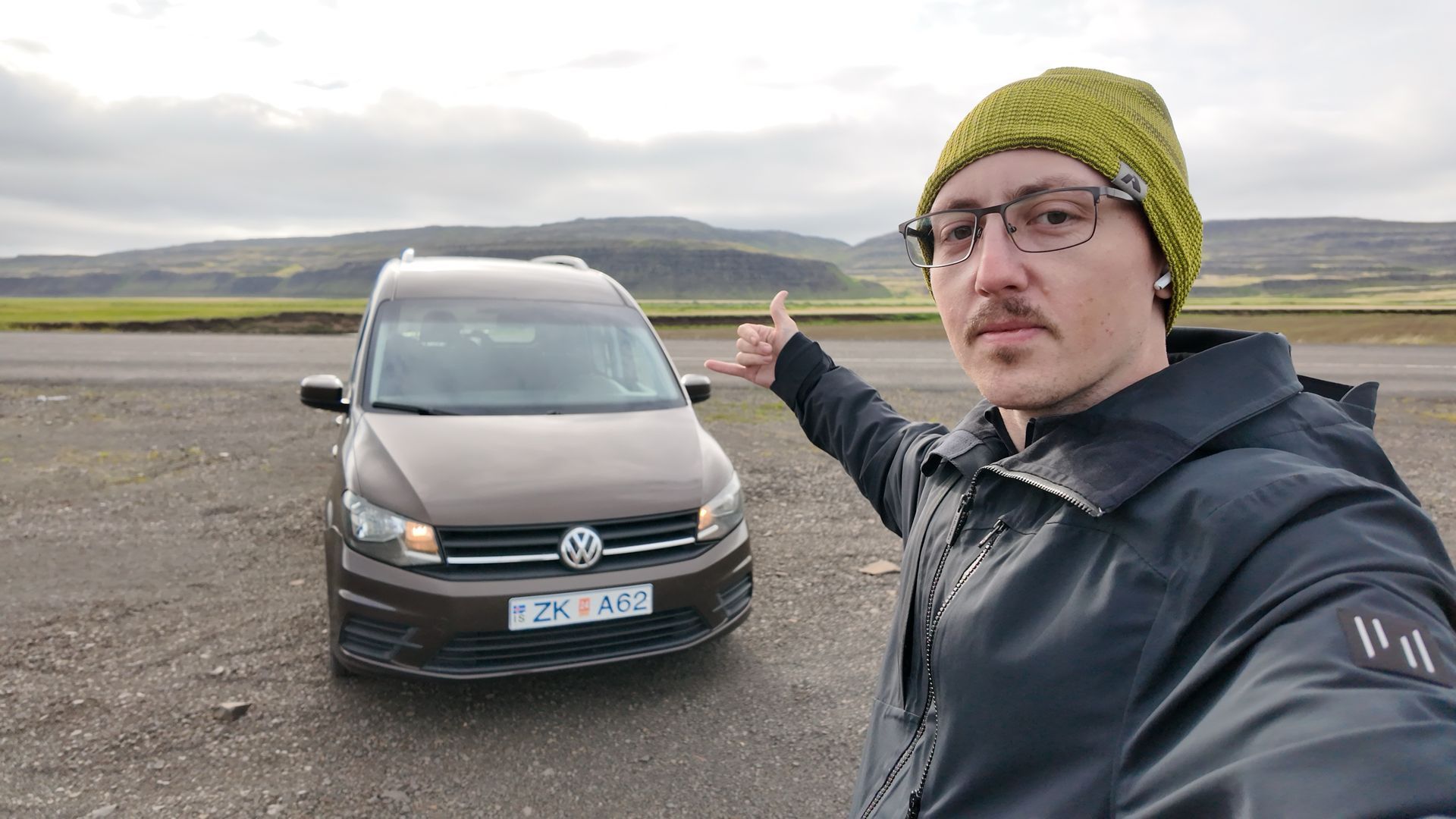
- F-roads require 4x4. Driving a 2WD on an F-road is illegal and voids your insurance. Watch for the brown “F” signs and turn around if you’re in a 2WD.
- Hold camper doors firmly in high winds. Icelandic winds can bend or rip a door off its hinges, and insurance often doesn’t cover wind damage. Always brace the door with your body before opening.
- Watch gravel road conditions. Single-lane gravel roads require slow speeds and full attention. Loose gravel causes tire blowouts and windshield chips.
- Check weather before every drive. The Icelandic Met Office ( vedur.is) and road.is give real-time road conditions. Check both every morning.
- Camp only in designated sites. Wild camping in Iceland is heavily restricted. Stick to registered campsites to avoid fines and protect the land.
- Budget for tunnel and parking fees. The Hvalfjörður tunnel and several parking areas charge fees. Ignoring pickup briefings about tolls and parking is a common beginner mistake that leads to unexpected charges.
“The wind in Iceland isn’t something you read about and understand. You feel it the first time you open a van door at full force and realize you’re in a genuine tug of war.”
Speed limits are strictly enforced. The national limit on paved roads is 90 km/h, and gravel roads drop to 80 km/h. Cameras are common, and fines are steep for foreign visitors.
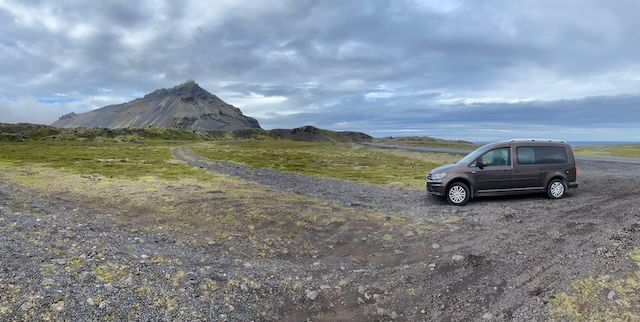
Suggested Iceland camper van itineraries by route and duration
Your route determines everything: van type, daily driving distance, and campsite planning.
Ring Road: 7–10 days, 2WD friendly
The Ring Road (Route 1) circles Iceland at roughly 1,332 kilometers. A 7-day trip means averaging about 190 km per day, which is very manageable. A 10-day trip lets you slow down and actually hike.
- Day 1–2: Reykjavik to Vík. Stop at Seljalandsfoss, Skógafoss, and the black sand beach at Reynisfjara.
- Day 3–4: Vík to Höfn. Glacier lagoon at Jökulsárlón is the highlight. Don’t rush it.
- Day 5–6: Höfn to Egilsstaðir. East Fjords driving is slow and spectacular.
- Day 7–8: Egilsstaðir to Akureyri. Dettifoss waterfall and Lake Mývatn are worth a full day each.
- Day 9–10: Akureyri back to Reykjavik via the Snæfellsnes Peninsula.
Highland F-road loop: 5–7 days, 4x4 required
| Route | Highlights | Best Season |
|---|---|---|
| Kjölur (F35) | Kerlingarfjöll hot springs, Hveravellir | july–september |
| Landmannalaugar (F208) | Rhyolite mountains, natural hot pools | july–august |
| Sprengisandur (F26) | Remote lava desert, total solitude | july–august |
Pro Tip: Unlimited mileage is standard with most Iceland camper van hire packages. Confirm this before booking. It changes how freely you can plan your route without watching the odometer.
Short trip travelers can do the Golden Circle and South Coast in three to four days from Reykjavik. This covers Þingvellir National Park, Geysir, Gullfoss, and the South Coast waterfalls. It’s a great intro trip and works perfectly with a compact 2WD van.
Budget roughly $20–$40 per night for registered campsites. Fuel costs depend heavily on your route, but plan for at least $50–$80 per day in peak summer. These numbers shift your total trip cost significantly compared to hotels.
Key Takeaways
Choosing the right camper van and preparing thoroughly before pickup are the two decisions that determine how good your Iceland road trip actually is.
| Point | Details |
|---|---|
| Match van to route | Use 2WD for the Ring Road; 4x4 is legally required for F-roads and winter driving. |
| Book early | Summer vans sell out months ahead; most agencies offer 24-hour cancellation refunds. |
| Attend the pickup briefing | Learn the heater, water, and power systems before driving off to avoid cold nights and wasted time. |
| Secure doors in wind | Icelandic winds can damage camper doors; insurance often excludes wind-related door damage. |
| Organize gear from day one | Separating wet gear from sleeping areas keeps the van livable for the entire trip. |
What I’ve learned from Iceland camper van travel
The thing most guides won’t tell you is that the pickup briefing is genuinely the most important 20 minutes of your trip. I’ve watched travelers wave it off, eager to get on the road, and then spend the first night freezing because they couldn’t figure out the diesel heater. Ask every question you have. Ask the ones you think are obvious. The rental staff have seen every mistake, and they’d rather answer your questions than get a distress call at midnight.
Vehicle choice is where most people go wrong. The temptation to save money with a smaller, cheaper van is real. But if your itinerary includes any F-roads or shoulder-season driving, that decision will cost you more in stress and limitations than the price difference. Be honest about where you actually want to go, then choose the van that fits those plans.
The other thing I’d push back on is the idea that you need to pack light. You need to pack organized. A well-sorted van with the right gear for Iceland’s weather is comfortable and functional. A minimally packed van where nothing has a place becomes chaos by day three. Use the travel gear advice from Traveling Portrait to build a packing system before you leave home.
Iceland rewards travelers who show up prepared. The landscapes are genuinely unlike anywhere else on earth, and a camper van is the best way to experience them on your own terms.
— Justin
Planning your Iceland camper van adventure with Traveling Portrait
Traveling Portrait covers Iceland road trips with the depth that actually helps you plan, not just dream.
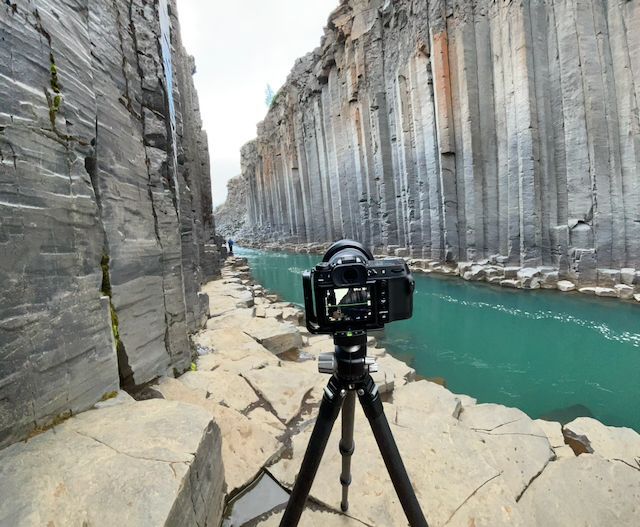
The best camper van rental guide for Iceland on Traveling Portrait walks you through vehicle selection, route matching, and what to look for in a rental company before you commit. If you’re bringing a camera, the Iceland photography workshop page is worth considering if you want to strengthen your photography skills on a custom Iceland guided trip. For broader trip inspiration, the Europe destinations section connects Iceland to the wider adventure travel picture. Traveling Portrait also offers a travel photography workshop for travelers who want to come home with images that actually do justice to what they saw.
FAQ
How much does it cost to rent a camper van in Iceland?
Small camper vans cost $76–$150 per day, while large motorhomes run $200–$400 per day. Prices vary by season, with summer being the most expensive period.
Do I need a 4x4 camper van in Iceland?
A 2WD camper van is sufficient for summer Ring Road travel on paved roads. A 4x4 is legally required for Highland F-roads and strongly recommended for winter and shoulder-season driving.
When is the best time to rent a camper van in Iceland?
june through august offers the best road conditions, longest daylight hours, and access to all routes including F-roads. Book at least three to four months ahead for summer travel.
Can I cancel a camper van rental in Iceland?
Many top-rated rental agencies offer a full refund for cancellations made at least 24 hours before pickup. Always confirm the cancellation policy before booking.
What should I bring on a camper van trip in Iceland?
Pack waterproof layers, a power inverter for charging devices, a first aid kit, and offline maps. Organize wet and dry gear separately from day one to keep the van clean and functional throughout the trip.
Recommended
Other Posts You Might Like