
What Is an Adventure Travel Guide? Your 2026 Answer
An adventure travel guide is a trained professional managing safety, logistics, navigation, and group coordination on outdoor and activity-based trips. Think mountain trekking in Nepal, white-water rafting in Costa Rica, or a wildlife safari in Tanzania. These aren’t experiences you want to wing on your own. A skilled guide is the difference between a trip that goes smoothly and one that goes sideways fast. At Traveling Portrait, we’ve seen firsthand how the right guide transforms a good trip into an unforgettable one.
What is an adventure travel guide, exactly?
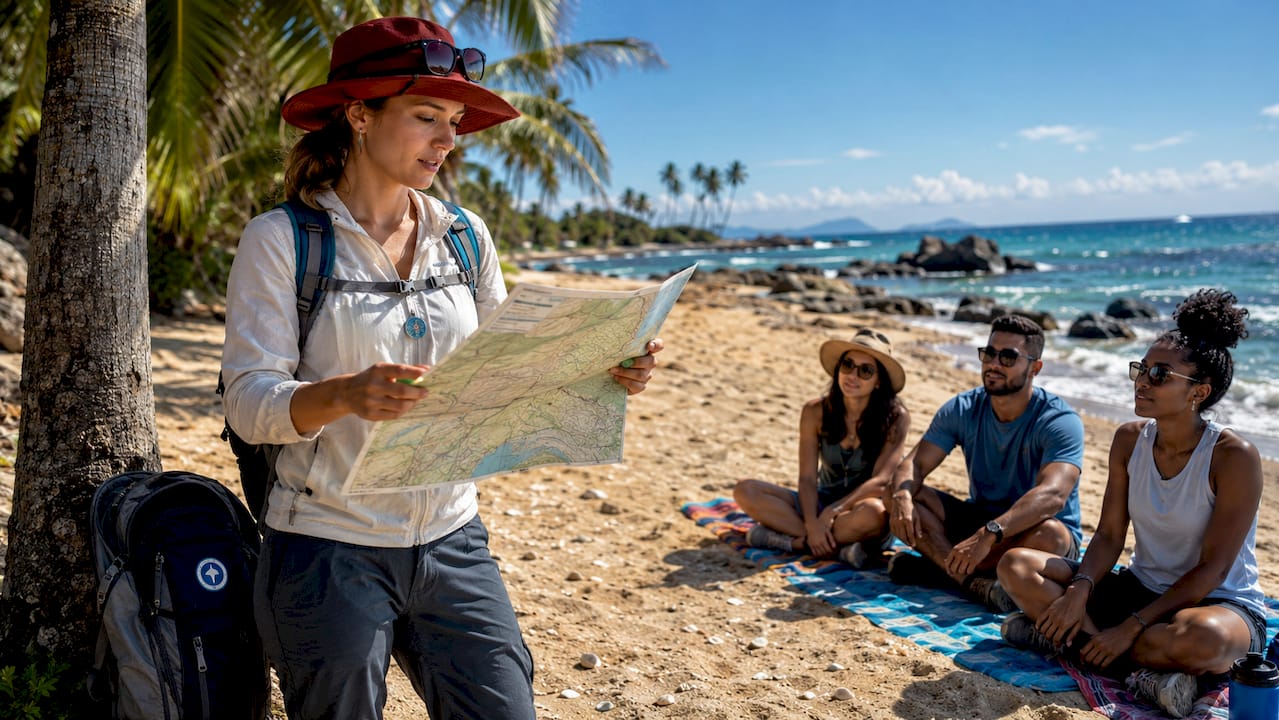
An adventure travel guide is the professional at the center of every well-run outdoor trip. The industry term you’ll hear from operators and certification bodies is “adventure guide” or “expedition guide,” but the role covers the same ground regardless of the label. Guides handle safety, logistics, navigation, and cultural insights all at once, often in remote terrain where conditions can shift without warning.
The scope of the job is broader than most travelers realize. A guide doesn’t just lead you down a trail. They manage permits and contingency planning before the trip even starts, then coordinate group dynamics, equipment, and pacing once you’re out there. On a multi-day trek, that might mean rerouting around a washed-out path, mediating between group members with different fitness levels, and translating local customs at a village stop, all in the same afternoon.
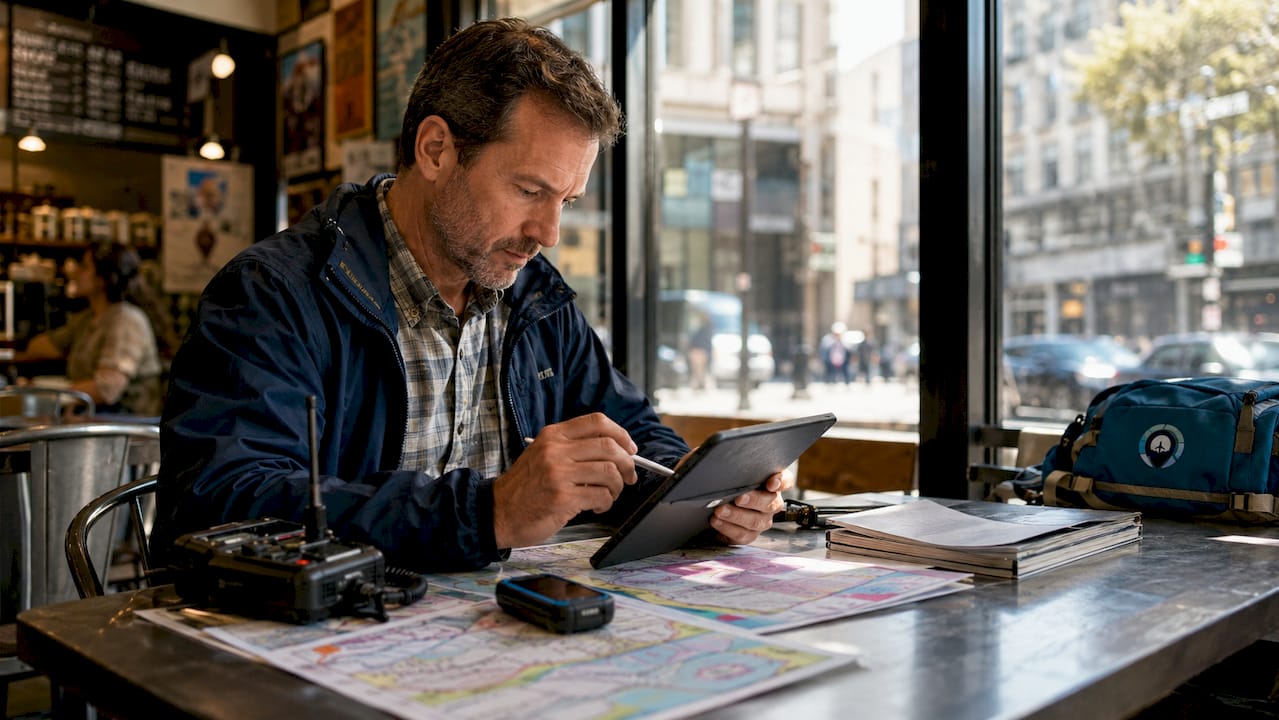
The Adventure Travel Trade Association (ATTA) defines adventure travel itself using a “2 of 3 pillars” model: physical activity, nature immersion, and cultural interaction. A trip qualifies as adventure travel when it meets at least two of those three criteria. That definition shapes what guides actually do, because the mix of pillars determines where a guide puts their energy on any given trip.
What core skills make an effective adventure guide?
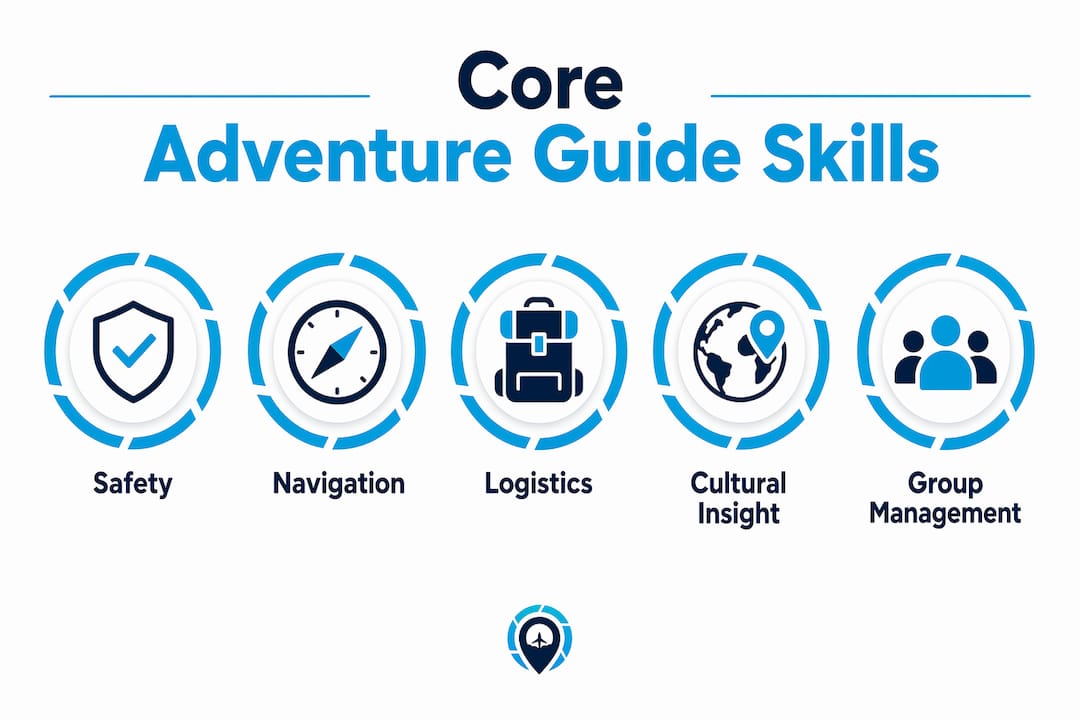
The Adventure Travel Guide Standard (ATGS) is the global framework that defines what professional guiding looks like. ATGS sets five core competencies that every quality guide should demonstrate:
- Safety and risk management. Guides assess hazards before and during a trip, make real-time decisions in changing conditions, and keep the group out of preventable danger.
- Navigation. Reading terrain, using maps and GPS tools, and adjusting routes based on weather or group ability are non-negotiable skills in remote environments.
- Cultural interpretation. Great guides don’t just point at landmarks. They explain local history, traditions, and social context in ways that make a destination feel alive.
- Group management. Keeping a mixed-ability group motivated, paced correctly, and emotionally engaged is genuinely hard work. Guides who do it well make it look easy.
- Sustainability education. Quality guiding includes teaching travelers to minimize their environmental impact, respect wildlife, and support local communities.
Each competency connects directly to your experience as a traveler. A guide strong in cultural interpretation turns a hike through rural Peru into a lesson in Andean history. A guide weak in group management turns a fun kayaking day into a frustrating slog.
Pro Tip: Ask any guide you’re considering what certifications they hold and which competency framework their training follows. A guide who references ATGS or a recognized national standard is operating at a professional level.
How do adventure guides manage safety on the trail?
Safety management is the most critical part of the adventure guide role, and it starts long before the group sets foot on a trail. Guides conduct risk assessments, emergency readiness checks, and equipment inspections as standard practice before every trip. That preparation is what lets them respond calmly when something unexpected happens.
Here’s what that safety process typically looks like in practice:
- Pre-trip risk assessment. The guide reviews the route, checks weather forecasts, and identifies potential hazards specific to the terrain and season.
- Equipment inspection. Harnesses, helmets, life vests, ropes, and first-aid kits all get checked before the group departs.
- Emergency communication setup. In areas without cell coverage, guides carry satellite communicators or personal locator beacons to reach emergency services if needed.
- First-aid readiness. Professional guides hold wilderness first-aid certifications and carry medical kits suited to the trip’s risk profile.
- Contingency planning. Every good guide has a backup plan. If the primary route becomes impassable, they know the alternatives before the group even asks.
Navigation in remote terrain adds another layer of complexity. Weather in mountain environments can change within an hour. A guide who knows the terrain well enough to read those changes, and adjust the plan before conditions deteriorate, is protecting the group in ways that aren’t always visible to travelers.
Many travelers underestimate how much guides add in terms of safety coordination, operating under the misconception that routes are self-evident in the field. They’re not. Terrain looks different on the ground than it does on a map, and local knowledge built over years of guiding is genuinely irreplaceable.
Hard adventure vs. soft adventure: how guide roles differ
Not all adventure guides do the same job. The type of trip determines where a guide focuses their attention, and understanding that difference helps you set the right expectations before you book.
Guide responsibilities shift based on physical intensity and cultural focus. A mountaineering guide on a technical climb in Patagonia operates very differently from a walking safari guide in Botswana. Here’s a direct comparison:
The ATTA’s 2 of 3 pillars model explains why this variation exists. A trip built around physical activity and nature connection needs a guide who prioritizes safety and terrain management. A trip built around cultural interaction and nature immersion needs a guide who excels at storytelling and local knowledge. Matching the guide’s strengths to your trip’s focus is one of the most underrated parts of planning adventure trips well.
How to choose the right adventure travel guide
Choosing a guide is one of the highest-impact decisions you’ll make when planning an adventure trip. The wrong choice doesn’t just affect your enjoyment. It affects your safety. Here’s what to look for:
- Verified certifications. Look for guides trained under recognized frameworks like ATGS, Wilderness Education Association (WEA), or national guiding bodies relevant to the destination country.
- Demonstrated safety culture. Ask operators directly how guides handle emergencies. A good operator will answer in detail. A vague answer is a red flag.
- Experience matched to your trip. A guide with 200 days on glaciers is not automatically the right choice for a cultural trekking trip in Southeast Asia. Match expertise to the specific environment and activity.
- Fitness and ability alignment. Be honest with operators about your fitness level. A guide who paces the group correctly keeps everyone safe and happy.
- Questions worth asking before you book: What is your emergency protocol? What certifications do you hold? How do you handle a traveler who can’t continue? Have you guided this specific route before?
Traveling Portrait’s bucket list trip planning guide goes deeper on evaluating operators and matching your adventure style to the right destination. It’s worth reading before you commit to any booking.
Pro Tip: Read recent reviews specifically for the individual guide, not just the tour company. Guide quality varies within the same operator, and traveler reviews often name guides by name.
Key Takeaways
An adventure travel guide is a trained professional whose core value lies in combining safety management, local knowledge, and cultural interpretation to make outdoor trips both safe and genuinely memorable.
| Point | Details |
|---|---|
| Core guide role | Guides manage safety, logistics, navigation, and cultural insights on every trip. |
| ATGS competencies | Five standards cover risk management, navigation, cultural interpretation, group management, and sustainability. |
| Safety process | Pre-trip risk assessments, equipment checks, and emergency communication are standard guide practice. |
| Guide type variation | Hard adventure guides prioritize emergency readiness; soft adventure guides focus on interpretation and pacing. |
| Choosing a guide | Match certifications, experience, and communication style to your specific trip type and fitness level. |
What I’ve learned from watching guides work in the field
Here’s something I didn’t fully appreciate until I watched a skilled guide handle a group meltdown at 14,000 feet in the Andes. Two travelers were exhausted, one was altitude-sick, and the weather was closing in. The guide didn’t panic. He’d already identified the descent route, had the sick traveler on supplemental oxygen within minutes, and kept the rest of the group calm with clear, direct communication. That’s not luck. That’s years of training and experience showing up exactly when it matters.
The biggest misconception I see from travelers is that guides are basically just trail companions who know the path. They’re not. A qualified guide is closer to a field operations manager who also happens to be a storyteller, a first responder, and a cultural translator. When you undervalue that role, you tend to book based on price rather than competence, and that’s where trips go wrong.
My honest advice: prioritize guide quality over every other variable in your trip budget. You can stay in a cheaper tent. You can skip a fancy dinner. But a guide who lacks the training to handle a real emergency, or who can’t read a group’s energy and adjust the pace, will cost you more than money. Check out Traveling Portrait’s travel itinerary planning resource if you want to think more carefully about how guide selection fits into your overall trip structure.
The benefits of adventure travel are real: physical challenge, cultural connection, and experiences that stick with you for years. But those benefits show up most reliably when you’ve got a competent guide in front of the group.
— Justin
Traveling Portrait’s adventure travel resources worth bookmarking
If this article got you thinking seriously about your next guided adventure, Traveling Portrait has the resources to take you further.
The adventure travel deep dive on Traveling Portrait covers the full picture of what adventure travel means, including how to evaluate destinations, understand trip classifications, and prepare for different activity types. For destination-specific planning, the destinations hub pulls together guides for regions across the globe, from Asia to Europe to North America. And if you’re gearing up for a trip, the travel gear section covers the equipment worth packing for outdoor adventure. Every resource is built around the same goal: helping you travel smarter, safer, and with more confidence.
FAQ
What does an adventure travel guide actually do?
An adventure travel guide manages safety, navigation, logistics, and cultural interpretation on outdoor and activity-based trips. Their responsibilities include pre-trip risk assessments, equipment checks, emergency response, and group coordination throughout the journey.
What is the Adventure Travel Guide Standard (ATGS)?
The ATGS is a global framework that defines five core competencies for professional adventure guides: safety and risk management, navigation, cultural interpretation, group management, and sustainability education. Operators use it to evaluate and train guides to a consistent professional standard.
How is a hard adventure guide different from a soft adventure guide?
Hard adventure guides, such as those leading mountaineering or rafting trips, focus primarily on emergency readiness and technical safety skills. Soft adventure guides, such as safari or cultural trek leaders, emphasize storytelling, pacing, and cultural connection.
What certifications should I look for when choosing a guide?
Look for certifications from recognized bodies such as the Wilderness Education Association (WEA) or national guiding associations relevant to your destination. Guides trained under the ATGS framework demonstrate a commitment to professional standards across all five core competencies.
Why does guide quality matter more than tour price?
A qualified guide protects your safety in unpredictable terrain and significantly improves the quality of your experience through local knowledge and cultural insight. Booking based on price alone increases the risk of working with a guide who lacks the training to handle real emergencies.
Recommended
Other Posts You Might Like