Arizona Slot Canyons: Top Picks for Hikers and Photographers
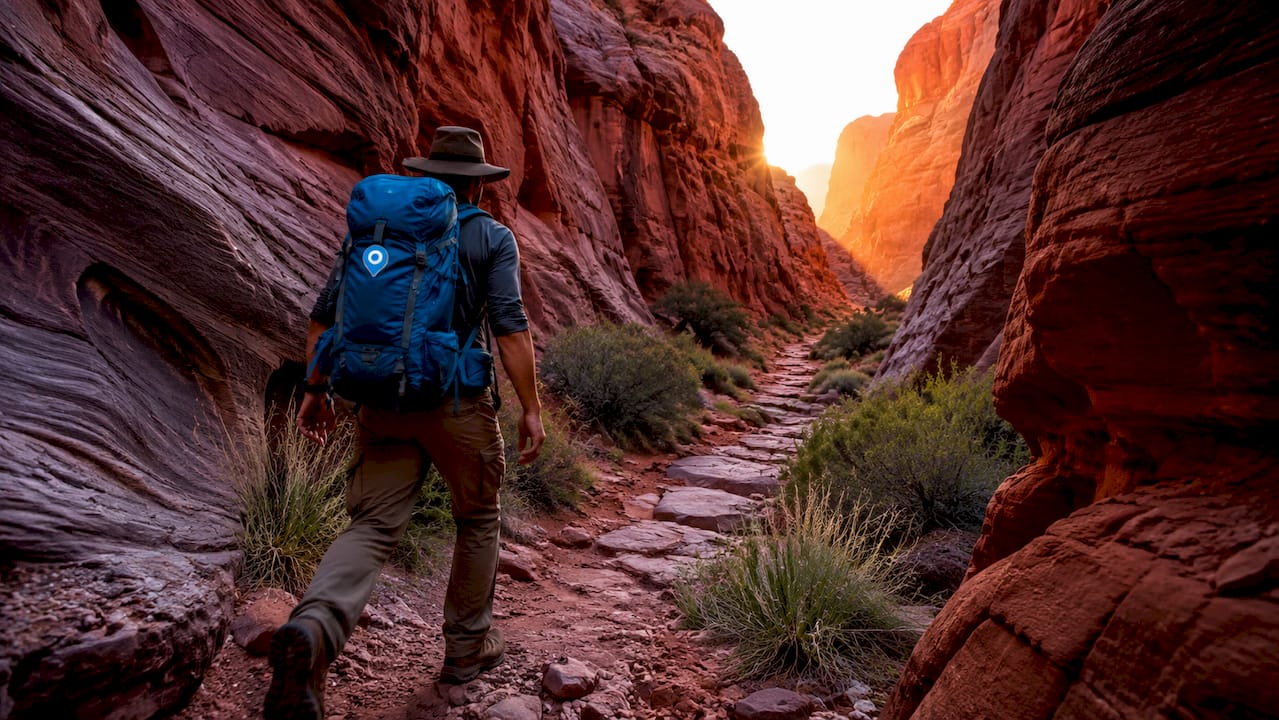
Arizona slot canyons are narrow, water-carved sandstone corridors that rank among the most dramatic natural formations in the American Southwest. Geologists call them “slot canyons” because water erosion cuts the rock so thin that the passage looks like a slot from above. Arizona hosts some of the world’s finest examples, from the world-famous Antelope Canyon near Page to the wild, remote stretches of Buckskin Gulch. Whether you’re chasing perfect light beams for photography or craving a serious backcountry hike, these canyons deliver an experience unlike anything else on the planet.
1. What makes Arizona slot canyons so special?
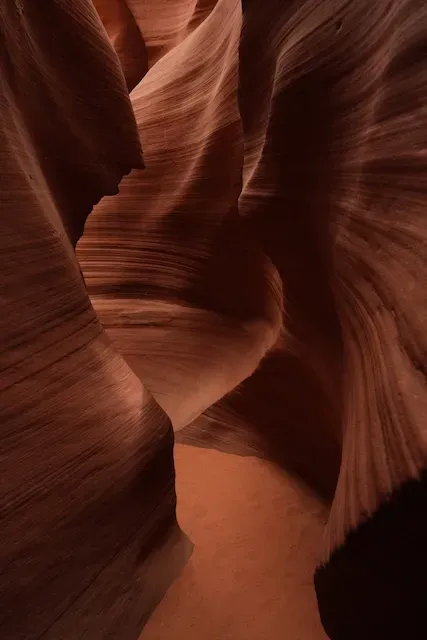
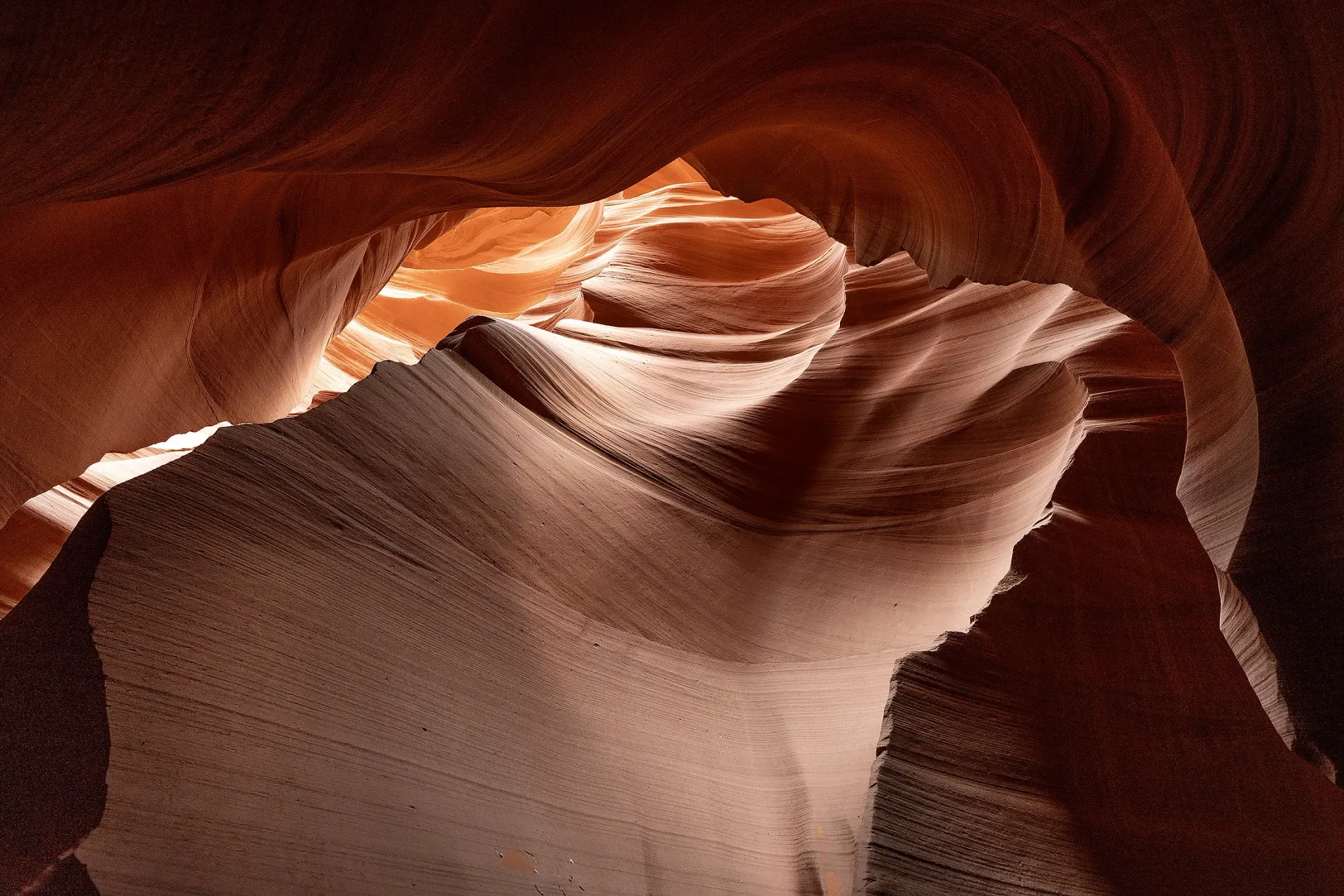
Slot canyons form when flash floods carve through soft Navajo sandstone over thousands of years. The result is a corridor with walls that twist, curve, and glow with warm orange and red tones. What makes az slot canyons stand out globally is the combination of accessibility and visual drama. You can walk into a world-class geological wonder within minutes of a trailhead parking lot, or spend a full day deep in a remote wilderness canyon.
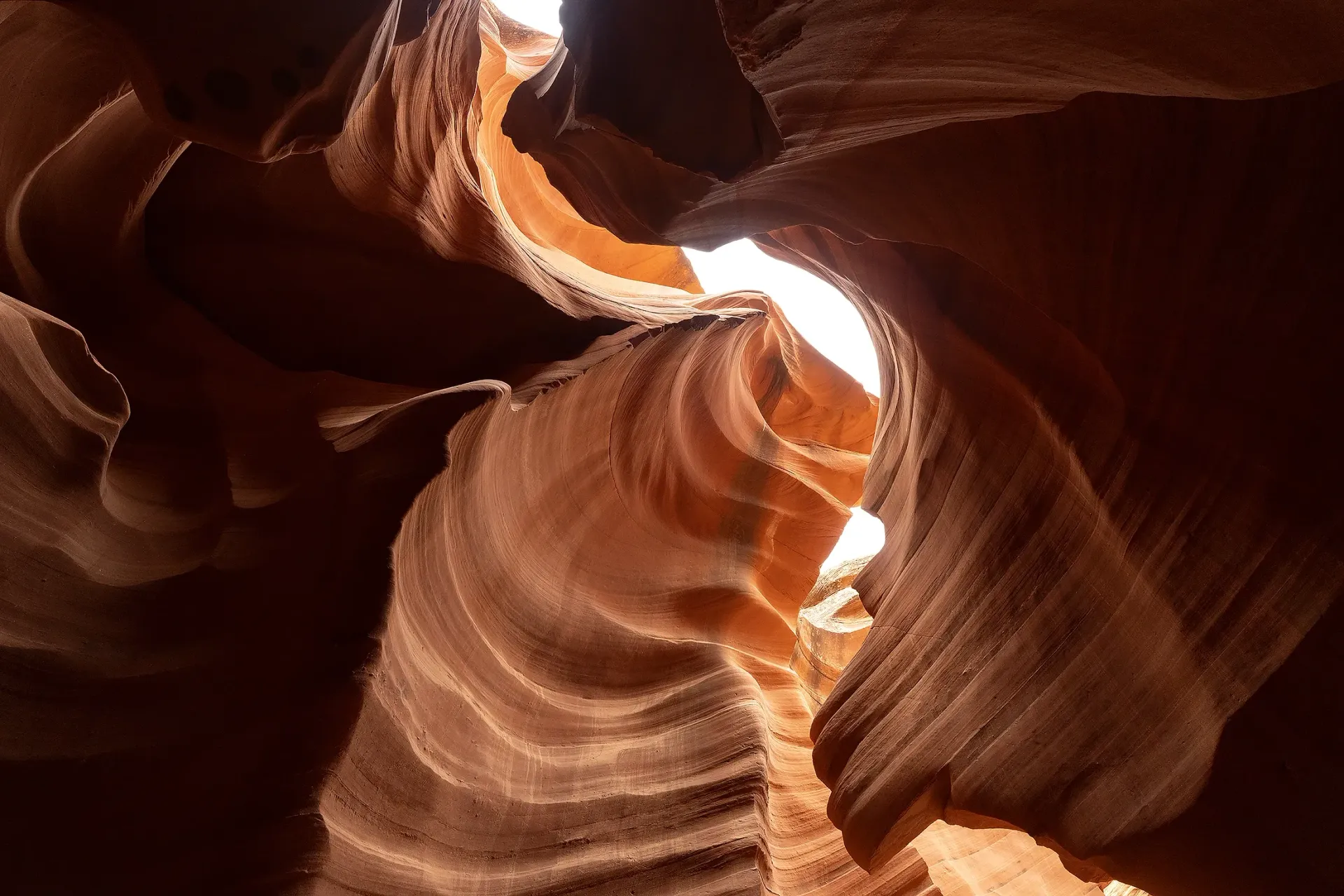
The light inside these formations behaves unlike anywhere else outdoors. Sunlight filters down through narrow openings and bounces off curved walls, creating soft, diffused color that photographers travel from every continent to capture. That combination of geology, color, and light is what keeps people coming back.
2. Buckskin Gulch: the longest slot canyon in the world
Buckskin Gulch is the longest slot canyon in the world, stretching approximately 21 miles with walls reaching 400 feet high. At its narrowest, the passage squeezes down to just 18 inches wide. That statistic alone tells you this is not a casual stroll. It’s a full commitment to one of the most immersive canyon experiences on Earth.
Day hikers typically cover 4–10 miles round trip, which gives you plenty of canyon without needing overnight gear. For first-timers, a 5–6 mile round trip hits the most dramatic sections while keeping the return hike manageable. The canyon walls close in tight, the light drops to a dim glow, and the silence is genuinely striking.
Key features and considerations for Buckskin Gulch:
- Walls: Up to 400 feet high with sections as narrow as 18 inches
- Keeper pools: Stagnant water pools that require wading or scrambling around; depth varies by season
- Flash flood risk: High. The canyon has very few exits once you’re deep inside
- Permits: Required for the Paria Canyon-Vermilion Cliffs Wilderness. Day hiking costs $6, with camping at $5 per night. Permits are available at recreation.gov or trailhead registers
- Best season: Spring and fall for cooler temperatures and lower flood risk
Pro Tip: Wear shoes you don’t mind getting wet. Keeper pools are unpredictable, and dry feet are a luxury, not a guarantee.
3. Antelope Canyon: the iconic slot canyon in Page, Arizona
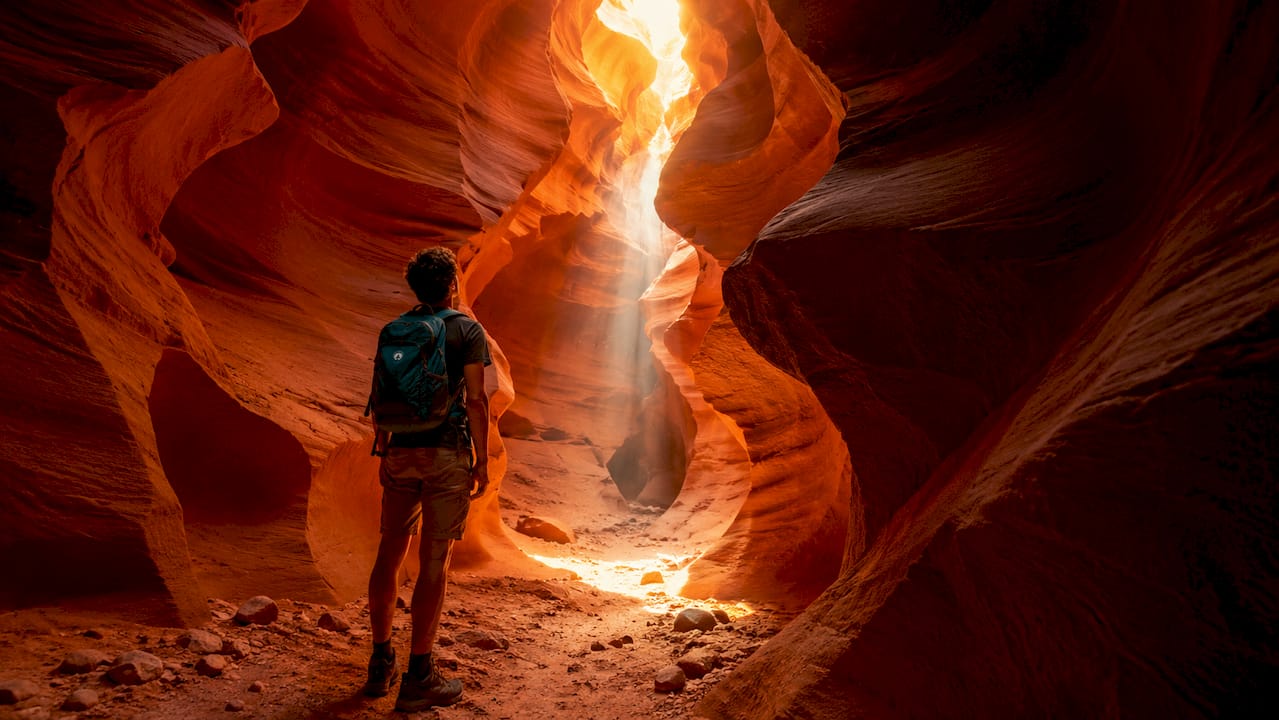
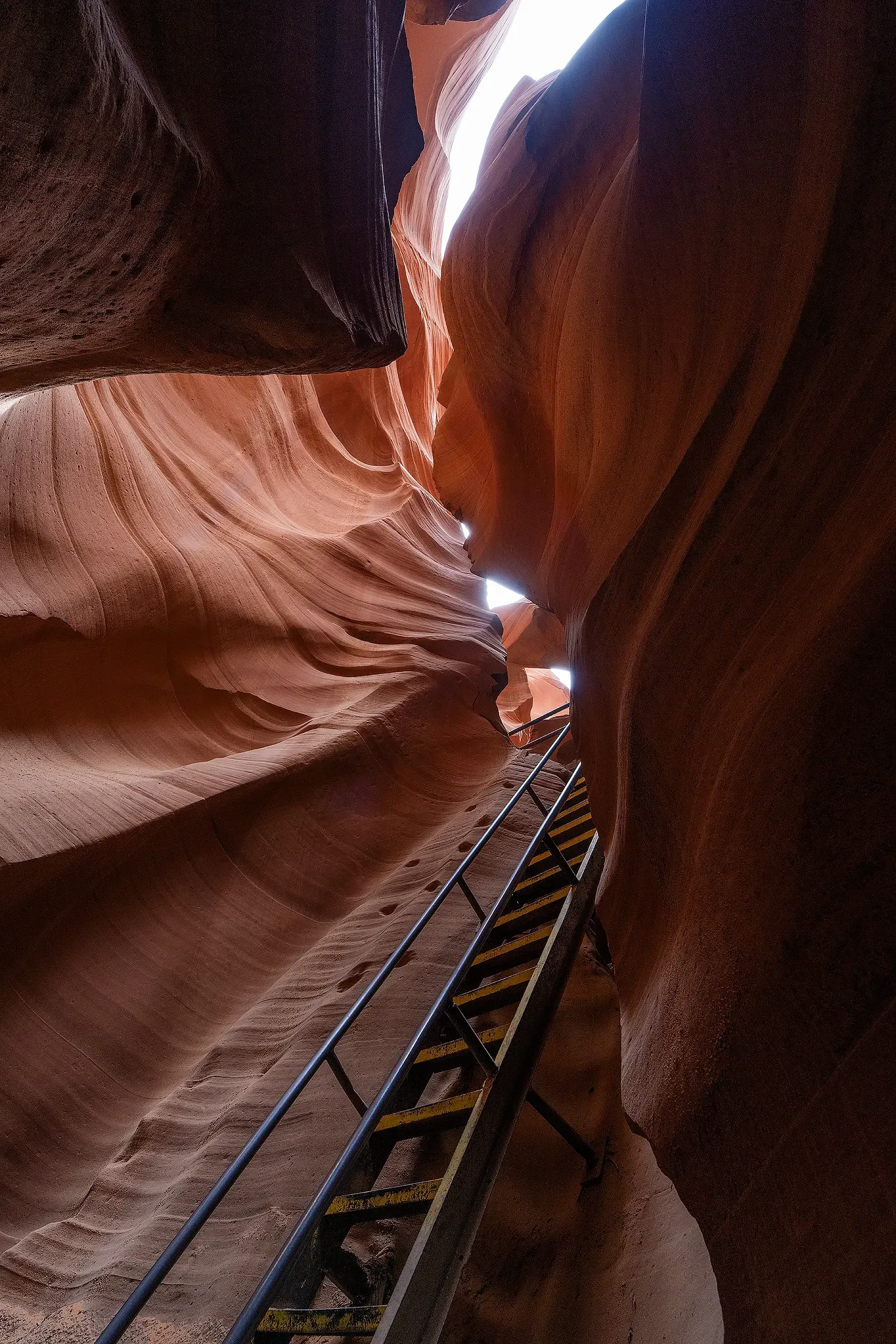
Antelope Canyon is the most photographed slot canyon in the world, and visiting it in person makes that reputation completely understandable. The slot canyon in Page, Arizona actually consists of three separate sections: Upper Antelope Canyon, Lower Antelope Canyon, and the less-visited Canyon X. Each has a distinct character and hiking style.
Antelope Canyon requires an authorized Navajo guide for all visitors. Independent hiking is prohibited. Tours sell out months in advance during peak seasons, so booking early is not optional. This is a sacred site to the Diné people, and visitor behavior must respect that cultural significance at all times.
What to know before you go:
- Upper Antelope Canyon: Ground-level walk-through with the famous light beams; best for those with limited mobility
- Lower Antelope Canyon: Involves ladders and tighter passages; more physically engaging and slightly less crowded
- Canyon X: The least visited of the three; offers a quieter experience with similar visual drama
- Booking: Reserve directly through authorized Navajo tour operators; confirm the tour includes prime light hours if photography is your goal
- Cultural rules: Follow your guide’s instructions without exception. Photography of certain areas may be restricted
Pro Tip: Book the “photographer’s tour” at Upper Antelope Canyon if light beams are your priority. Standard tours move quickly; photographer tours give you more time to set up shots.
4. Wire Pass Narrows: the best entry-level slot canyon hike
Wire Pass Narrows is a 3.4-mile round trip hike that takes roughly 2–3 hours to complete. It serves as the most popular entry point into Buckskin Gulch and works perfectly as a standalone hike for those who want slot canyon scenery without a full-day commitment. The trailhead sits near the Utah-Arizona border, making it a natural stop on a broader Southwest road trip.
The narrows section is tight, photogenic, and genuinely fun to navigate. You’ll squeeze through sandstone walls, scramble over small boulders, and emerge into Buckskin Gulch if you continue past the confluence. Wire Pass is also one of the more beginner-friendly options on any Arizona slot canyons map, which makes it a great first introduction to this style of hiking.
5. Mountain Sheep Canyon and other lesser-known gems
Mountain Sheep Canyon sits near Page, Arizona, and offers a guided slot canyon experience with far smaller crowds than Antelope Canyon. The canyon features smooth, flowing sandstone walls with strong color contrast, and the tours are run by Navajo guides who provide both geological and cultural context. It’s a genuinely rewarding alternative for travelers who missed out on Antelope Canyon bookings.
Owl Canyon, located in northern Arizona near Page, is another option worth considering. It’s shorter and less dramatic than Buckskin Gulch, but the accessibility and lower visitor numbers make it appealing for photographers who want unobstructed compositions. Both Mountain Sheep Canyon and Owl Canyon reward travelers who do a little extra research beyond the headline destinations.
Pro Tip: If Antelope Canyon tours are sold out, Mountain Sheep Canyon is your best backup. Book it the same day you realize Antelope is unavailable.
6. Essential safety tips before you hike any slot canyon
Flash floods are the primary danger in every slot canyon in Arizona. Storms miles away can cause sudden flooding in minutes, even when the sky above you is completely clear. The canyon walls offer no escape once water starts rising. This is not a risk to take lightly.
“Flash flood waters can rise with terrifying speed inside a slot canyon. Always check the weather forecast for the entire watershed, not just your immediate location, before entering any narrow canyon.”
Critical safety checklist:
- Weather: Check watershed-wide forecasts, not just local conditions. The National Weather Service provides region-specific alerts
- Permits: Carry your permit for Buckskin Gulch and Paria Canyon-Vermilion Cliffs Wilderness at all times
- Water: Bring at least 2 liters per person for any hike over 4 miles
- Footwear: Closed-toe shoes with grip are non-negotiable. Sandals are a bad idea in keeper pools
- Navigation: Publicly available maps often exclude detailed trail and entry points for safety reasons. Stick to marked trails like Wire Pass and Buckskin Gulch unless you have advanced canyoneering skills
- Communication: Cell service is nonexistent in most canyons. Carry a satellite communicator or personal locator beacon
- Exit planning: Know your turnaround time before you enter. Getting caught in a slot canyon after dark is genuinely dangerous
7. Slot canyon photography tips that actually work
Upper Antelope Canyon is best photographed midday from may through august, when sunlight beams penetrate the narrow opening and illuminate the canyon floor. Prime light hours run from 10:30 AM to 1:00 PM. Booking during those windows is competitive, so plan months ahead if this shot is on your list.
For canyons you can access independently, like Buckskin Gulch, the best light arrives in the morning when the sun angle is low and the walls glow with warm reflected color. Midday light inside deep canyons tends to be flat and less interesting for photography.
Practical gear and technique tips:
- Camera: A wide-angle lens (16–24mm equivalent) captures the full sweep of canyon walls without distortion
- Tripod: Mandatory for low-light interior shots. Most guided canyons allow compact tripods; confirm before you go
- Settings: Shoot in RAW format. Slot canyon light changes rapidly, and RAW gives you the latitude to recover highlights and shadows in post-processing
- Exposure: Use a low ISO (100–400) and a slow shutter speed rather than pushing ISO high, which introduces noise in the warm tones
- Composition: Look up. The most striking slot canyon images frame a sliver of sky between towering walls, creating a natural leading line
- Crowds: In guided canyons, work with your group’s timing. Patience gets you the clean shot without other visitors in frame
Pro Tip: Bring a lens cloth. Fine red dust is everywhere in these canyons and settles on your front element constantly.
Key takeaways
Arizona slot canyons reward careful planning: the best experiences combine the right canyon choice, advance permits or tour bookings, and genuine respect for flash flood risk and cultural protocols.
| Point | Details |
|---|---|
| Buckskin Gulch is the longest | At 21 miles with 400-foot walls, it’s the world’s longest slot canyon and demands serious preparation. |
| Antelope Canyon requires booking | Navajo-guided tours sell out months ahead; book early and respect all cultural guidelines on site. |
| Flash floods kill without warning | Check watershed-wide weather forecasts before every hike, even on clear sunny days. |
| Permits cost under $10 | Day hiking in Paria Canyon-Vermilion Cliffs Wilderness costs $6; get yours at recreation.gov. |
| Light timing defines your photos | Upper Antelope Canyon’s famous light beams peak between 10:30 AM and 1:00 PM, may through august. |
What I’ve learned after years of shooting in these canyons
The first time I squeezed through a section of Buckskin Gulch with my camera pack pressed against my chest, I realized no photograph had prepared me for the physical reality of it. The walls aren’t just close. They’re alive with texture, and the light inside shifts every few minutes as the sun moves. That’s something no Arizona slot canyons map or trip report fully communicates.
What I’d tell any photographer or hiker heading to these places for the first time: slow down more than you think you need to. Most people rush through because they’re chasing the next composition or worried about turnaround time. The canyons reward patience. The best light I’ve ever captured in a slot canyon came from standing still for 20 minutes while a cloud passed and the walls suddenly lit up in a way I hadn’t anticipated.
The cultural dimension at Antelope Canyon also changed how I approach guided natural sites generally. Traveling with a Navajo guide isn’t just a regulatory requirement. It’s genuinely the best way to understand what you’re looking at. The guides share geological knowledge, personal stories, and cultural context that you simply cannot get from a travel blog, including this one. That context makes the photographs mean more.
My honest advice: do Buckskin Gulch before Antelope Canyon if you can only pick one. It’s harder, less polished, and completely unfiltered. You’ll earn every frame you shoot in there, and that feeling stays with you.
— Justin Frazier
Planning your next Arizona canyon adventure with Traveling Portrait
Slot canyon trips are the kind of adventure that gets better with solid preparation. Traveling Portrait has you covered with detailed guides, photography insights, and gear recommendations built specifically for outdoor explorers like you.
Whether you’re mapping out your first hike or planning a full Southwest photography expedition, the adventure travel resources at Traveling Portrait give you the practical foundation to go in confident. From understanding adventure travel planning principles to finding the right gear for canyon conditions, the blog covers every angle of the experience. Check out the full slot canyon guide for even more destination detail, and browse the travel photography workshop page if you want to sharpen your skills before you go.
FAQ
What are the best slot canyons in Arizona?
Buckskin Gulch, Antelope Canyon (Upper, Lower, and Canyon X), and Wire Pass Narrows are the top picks for most hikers and photographers. Each offers a distinct experience ranging from remote wilderness to guided cultural tours.
Do I need a permit for Arizona slot canyons?
Buckskin Gulch and the Paria Canyon-Vermilion Cliffs Wilderness require a permit, which costs $6 for day hiking. Antelope Canyon requires a paid Navajo-guided tour rather than a traditional permit.
When is the best time to visit slot canyons in Page, Arizona?
Spring (march through may) and fall (september through november) offer the best combination of mild temperatures and lower flash flood risk. Upper Antelope Canyon’s famous light beams peak midday from may through august.
How dangerous are flash floods in slot canyons?
Flash floods are the leading cause of death in slot canyons. Storms miles away can send a wall of water through a canyon in minutes, with no warning and no escape route. Always check watershed-wide weather forecasts before entering any slot canyon.
Can beginners hike Buckskin Gulch?
Yes, with preparation. A 5–6 mile round trip covers the most dramatic sections and stays manageable for fit beginners. Keeper pools, uneven terrain, and flash flood risk mean you should not enter without proper footwear, water, and a weather check.
Recommended
Other Posts You Might Like