

Why Food Festivals Attract Travelers: A 2026 Guide
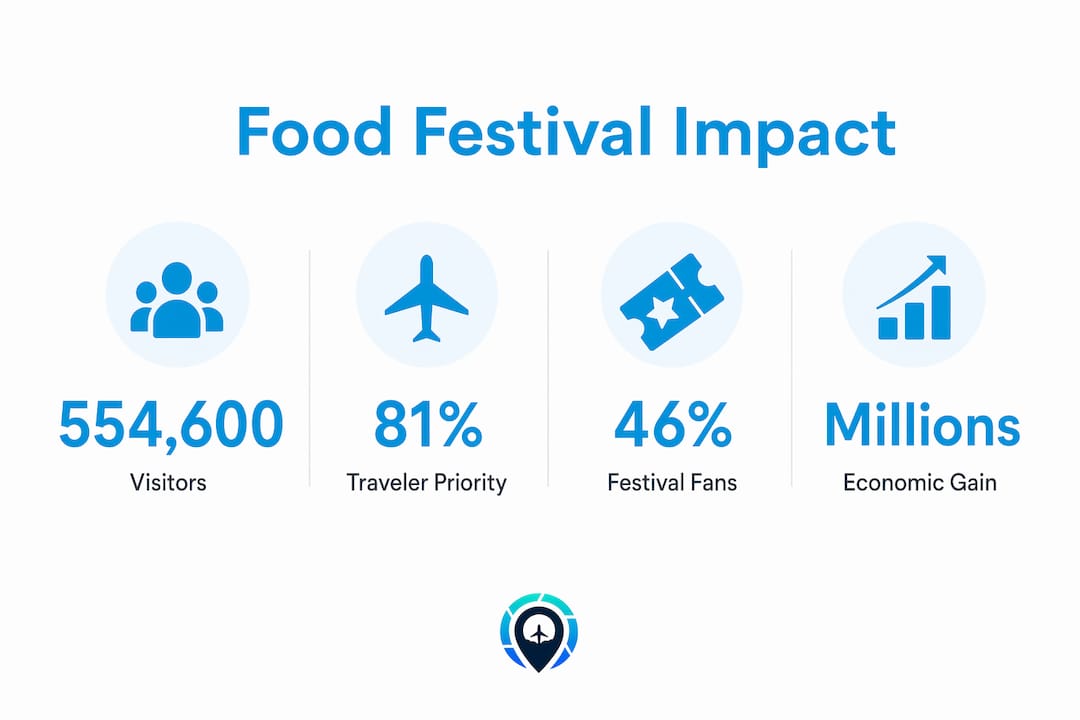
Food festivals are defined as organized culinary events where travelers gain direct access to local cuisine, producers, and food traditions in one place. They sit at the intersection of gastronomy, culture, and community, and that combination is exactly why food festivals attract travelers in numbers that rival major music events. 46% of travelers explicitly list food festivals as a main part of their travel plans in 2026. That figure puts food festivals among the top culinary tourism activities worldwide, ahead of food tours and behind only local restaurant scenes. If you’ve ever planned a trip around a tasting event or a street food market, you already know the pull is real.
Why food festivals attract travelers more than typical dining
The short answer is participation. Eating at a restaurant is passive. A food festival pulls you in as an active participant, and that shift changes everything about how you experience a destination.
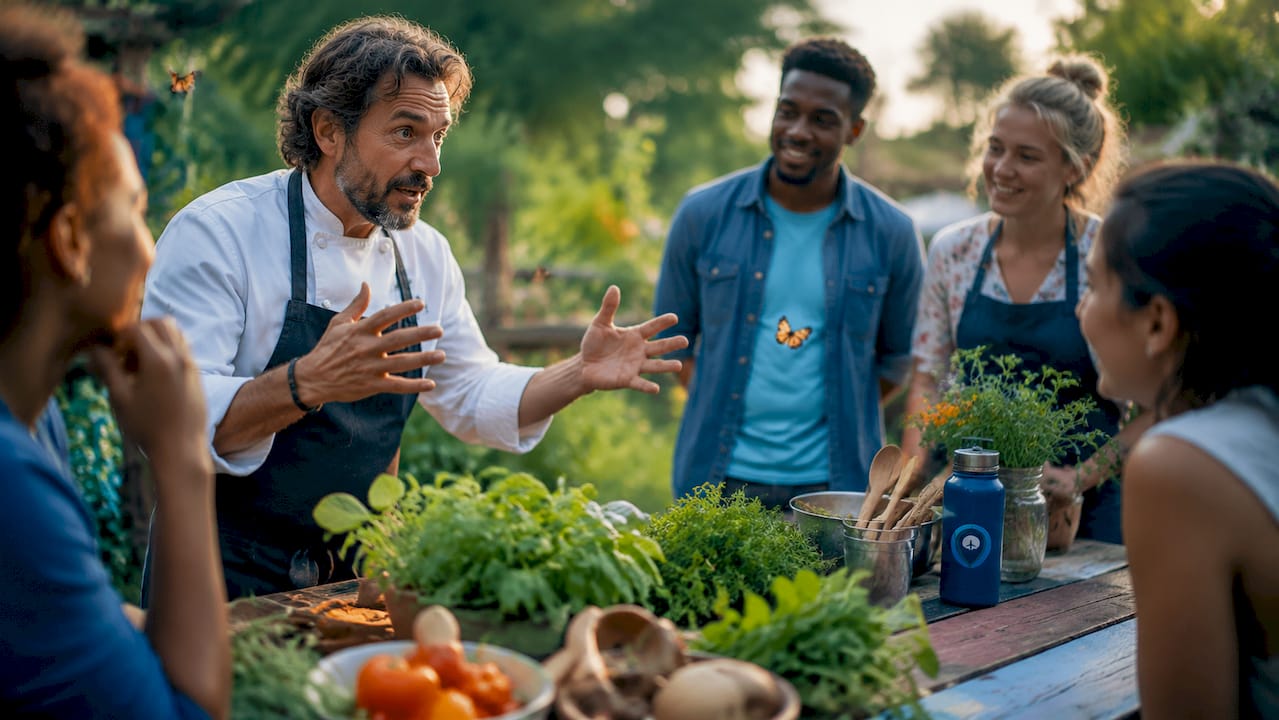
86% of travelers now prioritize immersive cultural experiences over traditional sightseeing. That stat tells you something important: travelers aren’t satisfied with looking at things anymore. They want to touch, taste, smell, and talk to the people who made what they’re eating.
Food festivals deliver on all of that. Consider what you actually get at a well-run gastronomy event:
- Flavor variety in one location. You can taste a region’s entire culinary identity in an afternoon, from street snacks to chef-crafted plates.
- Direct access to producers. You meet the farmer who grew the chili, the cheesemaker who aged the wheel, or the pitmaster who’s been smoking brisket for 30 years.
- Live cooking demonstrations. Watching a technique performed live is a completely different experience from reading a recipe or watching a video.
- Shared communal energy. The crowd, the smells, the sounds of sizzling and clinking glasses create a sensory memory that sticks.
Analysts now compare food festivals to music festivals for the tangible sensory memories they create. That comparison matters because music festivals have long been considered the gold standard for live experience travel. Food festivals are now in that same category, and in many cases selling out faster.
Pro Tip: Book workshops and cooking demos the moment tickets go on sale. These intimate sessions fill up before general admission even opens, and they’re where the real culinary conversations happen.
How food festivals connect travelers to authentic local culture
Food is a storytelling medium. Every dish at a festival carries a history, a geography, and a community behind it. That’s what separates food festival travel from a generic vacation.
Travelers increasingly seek proximity to culture through food, valuing the discovery of how dishes are made and what locals actually eat day to day. This approach anchors trip memories to specific regional flavors in a way that a museum visit simply cannot. You don’t forget the first time you tasted a proper Oaxacan mole made by someone whose grandmother invented the recipe.
Food festivals also shift your social position at a destination. You stop being an outsider looking in and start becoming a temporary insider. Here’s how that transformation tends to happen:
- You eat what locals eat. Festival menus reflect real regional food culture, not a tourist-friendly version of it.
- You talk to the people who made it. Vendors and chefs at festivals are there because they love what they do. They’ll tell you things no guidebook covers.
- You participate in communal rituals. Whether it’s a chili cook-off in Texas or a seafood festival in coastal Maine, the rituals themselves are cultural acts.
- You leave with a story. Not a photo of a landmark, but a memory of a flavor, a conversation, and a moment that felt genuinely local.
Cultural festivals serve as gateways to local identity, and food festivals are among the most accessible entry points. You don’t need to speak the language fluently to understand a dish. The food does the talking.
What economic and social impact do food festivals have on destinations?
The numbers here are genuinely staggering. The Bolton Food and Drink Festival in England attracted 554,600 visitors in 2025 and generated £9.7 million in direct visitor spending. That’s not a niche event. That’s a major economic engine for a single city.
The spending breakdown matters too. Around 50% of festival attendees spend between £25 and £74 per party at the event itself. That money flows directly to small vendors, local food producers, and nearby restaurants and hotels.
Here’s what that economic activity actually means for travelers and destinations:
- Small vendors get a platform. A local hot sauce maker or artisan baker gets exposure they could never afford through traditional marketing.
- Hotels and restaurants benefit. Festival weekends drive accommodation bookings and restaurant reservations across the whole area.
- Community pride grows. Locals see their food culture celebrated publicly, which strengthens the destination’s identity and makes it more welcoming to visitors.
- Repeat visitation increases. Travelers who connect emotionally with a destination through food are far more likely to return.
The social benefits run alongside the economic ones. Food festivals preserve culinary traditions that might otherwise fade. When a grandmother’s recipe gets featured at a public festival, it gets documented, shared, and kept alive. For travelers, that means the authentic experience you’re seeking today will still be there when you come back.
How are 2026 traveler trends reshaping food festivals?
The biggest shift happening right now is what researchers call the Reset to Real. Travelers, especially younger ones, are moving away from polished, heavily produced events toward smaller, more spontaneous gatherings that feel genuinely human.
79% of travelers aged 18–35 plan to attend more live events in 2026, specifically seeking authenticity and spontaneity. That’s a massive audience actively looking for what food festivals offer at their best.
What this means in practice:
- Smaller pop-ups are outperforming grand tastings. A neighborhood street food market with 20 vendors often delivers a more memorable experience than a ticketed gala with 200.
- Cause-driven events are gaining traction. Festivals that support local farmers, sustainable fishing, or indigenous food traditions attract travelers who want their spending to mean something.
- Surprise and discovery matter more than curation. Travelers want to stumble onto something unexpected, not follow a laminated map to pre-assigned tasting stations.
- Interaction beats observation. Events that let you roll dough, blend spices, or grill your own food are winning over events where you just watch a chef perform.
If you want to find these newer, less mainstream events, lesser-known global festivals are a great place to start. The most memorable food experiences rarely make the front page of a travel magazine.
Pro Tip: Arrive at a food festival during setup or stay through the wind-down phase. That’s when local community interactions are most intimate and vendors are most willing to talk.
Key Takeaways
Food festivals attract travelers because they deliver sensory-rich, culturally immersive experiences that combine authentic cuisine, community connection, and live participation in ways no other travel format can replicate.
| Point | Details |
|---|---|
| Participation drives appeal | Travelers engage actively at food festivals, not passively, which creates stronger memories. |
| Cultural access is direct | Festivals connect travelers to local producers, chefs, and food traditions without barriers. |
| Economic impact is substantial | Major festivals generate millions in local spending and support small vendors and hotels. |
| Authenticity is the 2026 priority | 79% of younger travelers seek spontaneous, real experiences over polished, ticketed events. |
| Timing affects depth | Arriving early or staying late at festivals unlocks more intimate community interactions. |
What I’ve learned from chasing food festivals across three continents
I’ll be honest with you: I didn’t start traveling for food festivals. I started traveling for landscapes and light, the kind of scenes you chase with a camera. But somewhere between a fish market in Southeast Asia and a chili festival in New Mexico, food festivals became the part of every trip I looked forward to most.
Here’s what I’ve figured out after years of this. The food itself is almost secondary. What you’re really there for is the conversation that happens while you’re eating. The vendor who tells you his family has been making this sauce for four generations. The stranger next to you who insists you try the thing you almost skipped. Those moments don’t happen at restaurants. They happen at festivals, where everyone is there because they genuinely care about food.
The travelers I’ve met at food festivals are also a different crowd. They’re curious, they’re open, and they’re not in a hurry. That energy is contagious. You end up staying longer, eating more, and leaving with a completely different understanding of the place than you arrived with.
My honest advice: stop treating food festivals as a side activity on your itinerary. Build the trip around the festival. Plan your adventure travel around the dates, stay in the neighborhood where the event is held, and give yourself a full day on either side to explore what the festival points you toward. That’s when the real magic happens.
— Justin Frazier
Planning your next culinary adventure with Traveling Portrait
Traveling Portrait is built for travelers who want more than a highlight reel. The guides here go deep on destinations, experiences, and the kind of practical detail that actually changes how a trip feels when you’re in it.
Whether you’re planning a trip around a food festival in Europe, a culinary road trip through North America, or an adventure that mixes landscapes with local food culture, the destinations hub is a solid starting point. You’ll find region-specific guides, travel photography tips, and firsthand accounts from places where food and culture collide in the best possible way. For travelers ready to go deeper into immersive trip planning, the adventure travel guide covers exactly how to build trips that feel genuinely worth the effort.
FAQ
Why do travelers choose food festivals over regular dining?
Food festivals offer direct access to local producers, live cooking demos, and communal experiences that restaurants cannot replicate. Active participation at festivals creates stronger cultural memories than passive dining.
What percentage of travelers prioritize food experiences abroad?
81% of travelers look forward to food experiences when traveling internationally, with 46% specifically listing food festivals as a main travel priority in 2026.
Are smaller food festivals worth attending over large ones?
Smaller festivals often deliver more authentic interactions with local vendors and chefs. The Reset to Real trend shows younger travelers actively prefer spontaneous, community-scale events over large ticketed productions.
How do food festivals benefit local economies?
Large food festivals can generate millions in direct visitor spending and support small vendors, local restaurants, and hotels across an entire destination. The Bolton Food and Drink Festival generated £9.7 million in direct spending from over 550,000 visitors in a single year.
When is the best time to arrive at a food festival?
Arriving during setup or staying through the wind-down phase gives you the most intimate access to vendors and local community members, well beyond what peak hours allow.
Recommended
Other Posts You Might Like